Anxiety affects people in different ways, and finding the right type of support can make a real difference. Some prefer the flexibility of online psychiatry, while others value the face-to-face connection of in-person sessions. Both options can help manage anxiety, but each comes with its own advantages and drawbacks that may influence which path works best.
Online psychiatry often appeals to those who need convenience, privacy, or easier access to care. It can reduce travel time and open doors for people in areas with fewer providers. However, in-person psychiatry may offer a deeper level of connection and more direct observation that can be important for certain cases.
The choice between online and in-person care depends on personal needs, lifestyle, and the severity of symptoms. By comparing both approaches and weighing key factors, anyone dealing with anxiety can find the format that best supports their mental health journey.
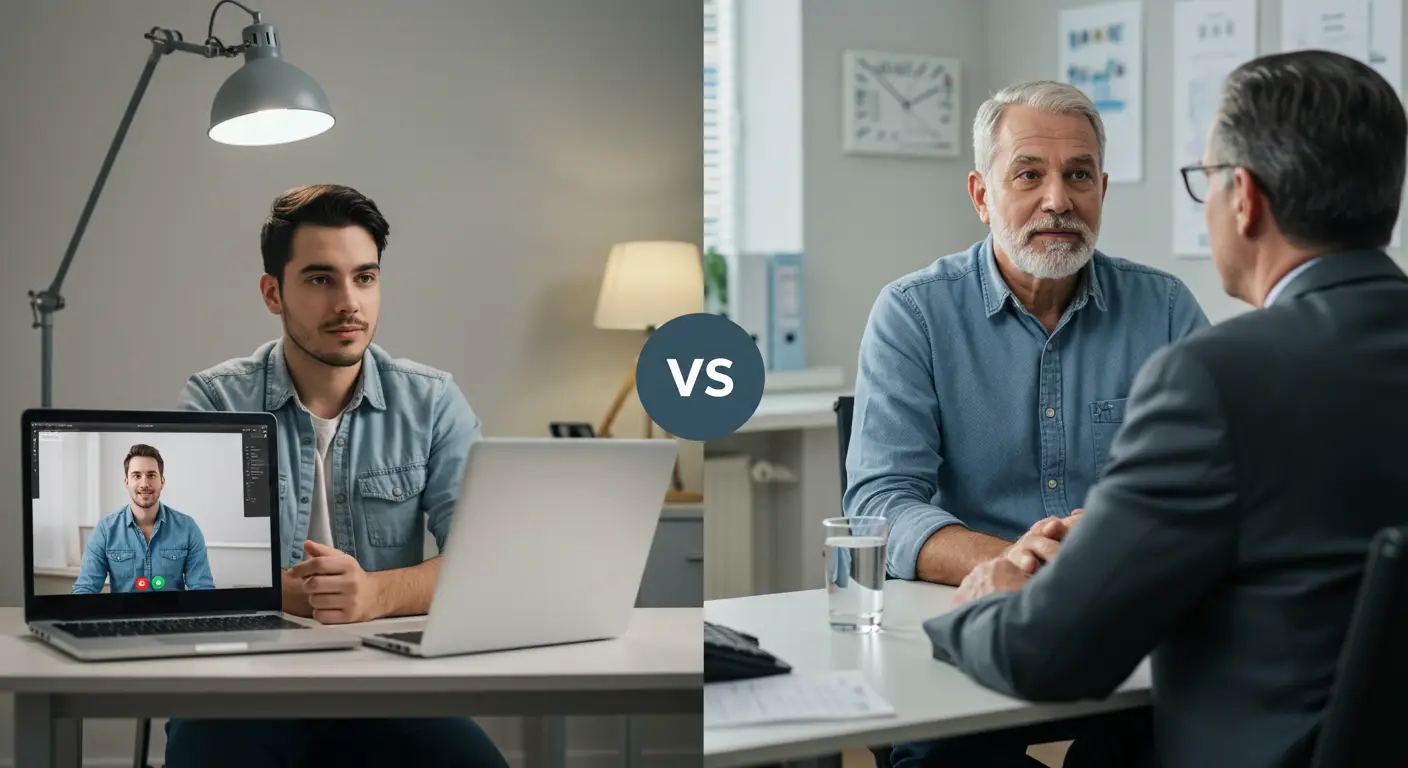
Comparing Online and In-Person Psychiatry for Anxiety
Online psychiatry offers flexibility and broader access, while in-person care provides structure and direct interaction. Each approach has strengths and drawbacks that can affect convenience, treatment outcomes, and the overall experience of patients seeking help for anxiety.
Accessibility and Convenience
Online psychiatry removes travel barriers and allows patients to connect from home. This can be especially helpful for those with busy schedules, transportation issues, or physical limitations. Many people find it easier to keep appointments when they only need a device and an internet connection.
In areas with fewer providers, online platforms expand access to licensed psychiatrists. For example, those seeking online care for anxiety in Irvine can connect with local or out-of-area professionals without long wait times. This flexibility helps reduce delays in starting treatment.
In-person psychiatry, however, offers a structured setting that some patients prefer. Regular visits to a clinic can build routine and accountability, which may benefit those who struggle with consistency. Yet, travel time, parking, and scheduling conflicts often make in-person sessions less convenient.
Quality and Effectiveness of Care
Research shows that online psychiatry is effective for common conditions like anxiety and depression. Video sessions allow psychiatrists to assess symptoms, prescribe medication, and provide therapy with outcomes similar to in-person treatment. Studies suggest that combining both models may improve long-term results.
In-person care still holds advantages for complex cases. Direct observation can reveal subtle cues such as body language or physical signs that may not be as clear on a screen. This can lead to more accurate assessments for patients with multiple or severe mental health concerns.
For anxiety treatment, both methods can include cognitive behavioral therapy, medication management, and lifestyle guidance. The choice often depends on the severity of symptoms and personal preference. Patients with mild to moderate anxiety may find online sessions sufficient, while those with more complicated needs may benefit from office visits.
Patient-Provider Relationship
The quality of the relationship between patient and psychiatrist plays a major role in treatment success. Online sessions may feel less personal at first, especially if technical issues interrupt the flow. However, many patients adjust quickly and report feeling comfortable sharing thoughts and emotions through video.
In-person psychiatry allows for face-to-face interaction that can strengthen trust. Some patients feel more supported in a physical office, where the environment signals a clear separation from daily stressors. This setting can make it easier to open up during sensitive discussions.
Still, online psychiatry can provide consistent access to the same provider without the risk of missed visits due to travel or illness. For patients who value continuity, this can help maintain a steady therapeutic relationship over time.
Privacy and Comfort
Privacy concerns often influence the choice between online and in-person care. Online psychiatry requires a secure internet connection and a private space at home. Patients may worry about family members overhearing sessions, especially in shared living environments.
In contrast, in-person visits take place in a controlled office setting, which can feel safer for those who value confidentiality. However, some patients may feel uncomfortable about being seen entering a clinic, especially in smaller communities.
Comfort also matters. Online sessions allow patients to speak from familiar surroundings, which may reduce anxiety during appointments. Others prefer the formality of an office, where the environment helps them focus on treatment without distractions.
Both models can protect privacy and provide comfort, but the best option depends on individual living situations and personal preferences.
Key Considerations When Choosing Between Online and In-Person Psychiatry
Access to psychiatric care depends on several factors, including technology, lifestyle, and the type of support a person may need during urgent situations. Each factor can affect how well online or in-person care addresses anxiety and related concerns.
Technology and Internet Requirements
Online psychiatry depends on a strong internet connection and a device that supports video calls. Without these, sessions may freeze, drop, or lose sound, which can interrupt care. This creates frustration for both patients and providers.
Privacy also matters. A quiet space at home may not always be available, and background noise or interruptions can reduce focus. Some people may also worry about digital security and whether their health information stays safe on telehealth platforms.
In-person sessions avoid these issues but require travel. For people with mobility issues or those who live in rural areas, the need to commute can create barriers. Therefore, the decision often comes down to whether technology access feels easier than transportation.
Key points to weigh:
- Internet speed and stability
- Access to a private space at home
- Comfort with video platforms
- Travel time and physical access to clinics
Personal Preferences and Lifestyle
Comfort level plays a major role in choosing psychiatric care. Some individuals feel more relaxed opening up from home, while others value the structure of an office setting.
Scheduling flexibility also differs. Online psychiatry often offers shorter wait times and easier appointment slots. In-person care may provide fewer options, especially in areas with limited providers.
Lifestyle factors also matter. Parents may prefer virtual care to avoid childcare arrangements. People with demanding work schedules may find online sessions easier to fit into their day. On the other hand, those who find home distracting may prefer the separation of an office environment.
Lifestyle considerations include:
- Daily schedule and time demands
- Comfort with remote communication
- Childcare or family responsibilities
- Desire for a structured clinical setting
Clinical Needs and Emergency Situations
The severity of anxiety symptoms often determines whether online or in-person care works best. Mild to moderate anxiety may respond well to telehealth sessions, especially with therapies like cognitive behavioral approaches.
However, in-person care becomes more important for complex or urgent needs. Patients with suicidal thoughts, psychosis, or frequent crises may need face-to-face support. A therapist in the room can respond directly, which virtual care cannot always provide.
Some treatments, such as medication adjustments or therapies that rely on physical presence, also benefit from in-person visits. Virtual care may not fully cover these needs. Therefore, clinical requirements should guide the decision more than convenience alone.
Situations better suited for in-person psychiatry:
- Frequent or severe crises
- High suicide risk
- Complex medication management
- Therapies involving nonverbal interaction
Conclusion
Both online and in-person psychiatry provide meaningful support for people with anxiety, but each has unique advantages and drawbacks. Online care offers convenience, privacy at home, and easier access for those in remote areas. In contrast, in-person sessions allow face-to-face connection and immediate support in urgent situations.
The best choice depends on personal comfort, severity of symptoms, and access to resources. Some people may benefit from a mix of both formats, using online sessions for flexibility and in-person visits for deeper evaluation.
Therefore, the decision should focus on individual needs, treatment goals, and the type of support that feels most effective for long-term progress.