

Cancer research and early detection are at a pivotal moment. Scientific breakthroughs alone are not enough to transform patient outcomes; equally crucial are the collaborative models that bring innovations from ideation to real‑world application. Traditional research silos are giving way to partnerships that integrate diverse expertise—from academic labs to startup teams, engineering specialists, clinical sites, and regulatory strategists. Understanding how these collaborative ecosystems function is essential for anyone invested in the future of oncology diagnostics.
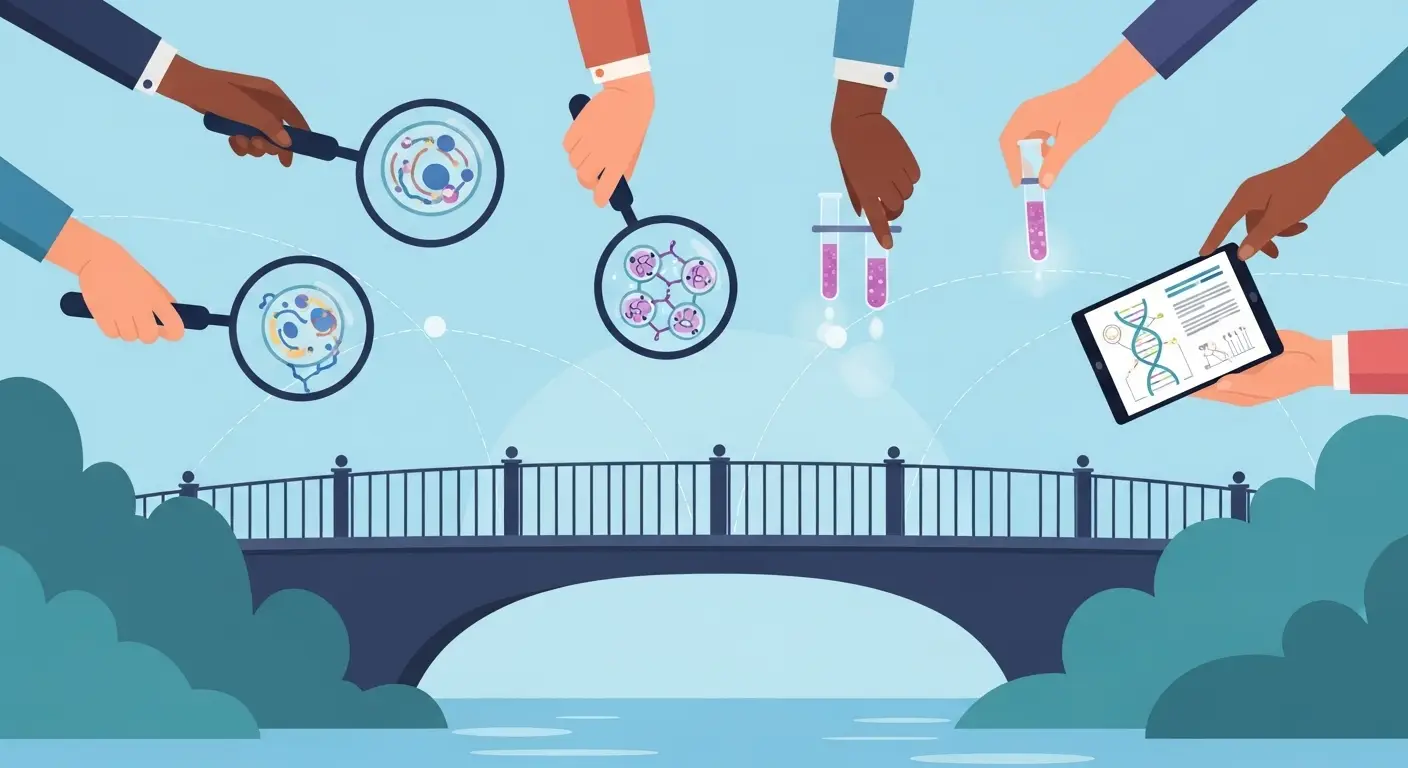
The Value of Collaboration in Early Detection
Early cancer detection dramatically improves survival rates and quality of life. However, developing technologies that can reliably identify disease at its earliest stages is complex, expensive, and technically demanding. No single organization holds all the necessary pieces. Multidisciplinary collaboration ensures that scientific discovery is paired with engineering practicability, clinical validation, regulatory insight, and market awareness.
Effective partnerships facilitate:
- Shared resources and risk distribution
- Faster iteration cycles
- Cross‑disciplinary problem solving
- Broader clinical access for testing and validation
These benefits are proving essential in advancing detection platforms that might otherwise languish in isolated research phases.
From Concept to Clinical Relevance
At the heart of successful collaboration is the seamless translation of theory into practice. Consider a model where a startup with deep scientific insight partners with an accelerator that provides engineering and product development expertise. Early-stage cancer detection research often identifies promising biomarkers or assay formats, but converting those discoveries into clinically actionable tools requires systems design, hardware prototyping, and rigorous testing frameworks.
A recent example illustrates this dynamic: a MedTech startup focused on decentralized cancer diagnostics joined with a U.S.‑based accelerator to refine its early detection platform. Together, they progressed from prototype development to testing real clinical samples, with early results showing promise and plans underway for broader clinical validation. Such alliances demonstrate how shared vision and complementary skills can accelerate pathways to patient benefit.
In this case, that collaborative approach is embodied in work with Asima Health and Arete Biosciences, where engineering know‑how helped evolve a research device into a tool suitable for real‑world clinical workflows.
Integrating Engineering, Science, and Clinical Expertise
Collaboration models that succeed in early detection prioritize clear roles and shared goals. Engineers, for example, translate scientific requirements into manufacturable platforms. Clinicians contribute practical insights, guiding design decisions that align with patient pathways and clinical environments. Scientists, for their part, continue to innovate on biomarker discovery and assay sensitivity.
This blend of expertise is evident in how emerging early detection initiatives are structuring their teams. Engineering partners help refine instruments for usability, reliability, and scalability, while clinical partners enable access to patient samples, essential data, and environments for real‑world testing. Regulatory strategists ensure that design, validation, and documentation align with evolving approval frameworks.
Expanding Clinical Validation and Real‑World Testing
No early detection technology can be impactful without robust clinical data. Collaborative models increasingly emphasize multi‑site clinical programs, bringing together institutions that can enroll diverse patient cohorts and generate comprehensive validation data. These networks not only accelerate evidence generation but also expand geographic and demographic representation, an important factor in ensuring tools are broadly effective.
The linkage between R&D and clinical networks enables:
- Earlier identification of performance gaps
- Incorporation of clinician feedback into design
- Streamlined pathways to regulatory review
By embedding clinical partners early in the development cycle, innovators reduce the time between technical proof‑of‑concept and real‑world utility.
Shared Learning and Open Innovation
Collaborative research in early detection is not limited to bilateral partnerships. Many successful initiatives embrace open innovation principles, sharing data, methods, and insights across broader consortia. This approach magnifies impact by allowing multiple stakeholders to learn from shared experiences, avoid redundant efforts, and build on collective progress.
Organizations such as large research networks, academic consortia, and public‑private alliances exemplify this model. They channel collective expertise toward common goals—whether that’s refining risk assessment models, validating biomarker signatures, or integrating advanced analytics like machine learning into diagnostic algorithms.
Challenges and Considerations
Despite the clear advantages, collaborative models face challenges. Aligning timelines, balancing intellectual property concerns, managing funding streams, and harmonizing regulatory strategies require intentional coordination and trust. Transparent communication and clearly defined governance structures are essential for maintaining momentum.
Additionally, collaborators must anticipate and address disparities in access to resources. Equity considerations should be part of collaborative frameworks, ensuring that the benefits of early detection technologies reach underrepresented and underserved populations.
Looking Ahead: Collaboration as a Catalyst
The future of early cancer detection research lies in collaborative innovation. Models that integrate scientific discovery with engineering, clinical validation, and strategic commercialization are proving to be catalysts for meaningful impact. By continuing to break down silos and build partnerships grounded in shared purpose, the oncology community can bring life‑changing tools closer to patients, sooner and more equitably than ever before.