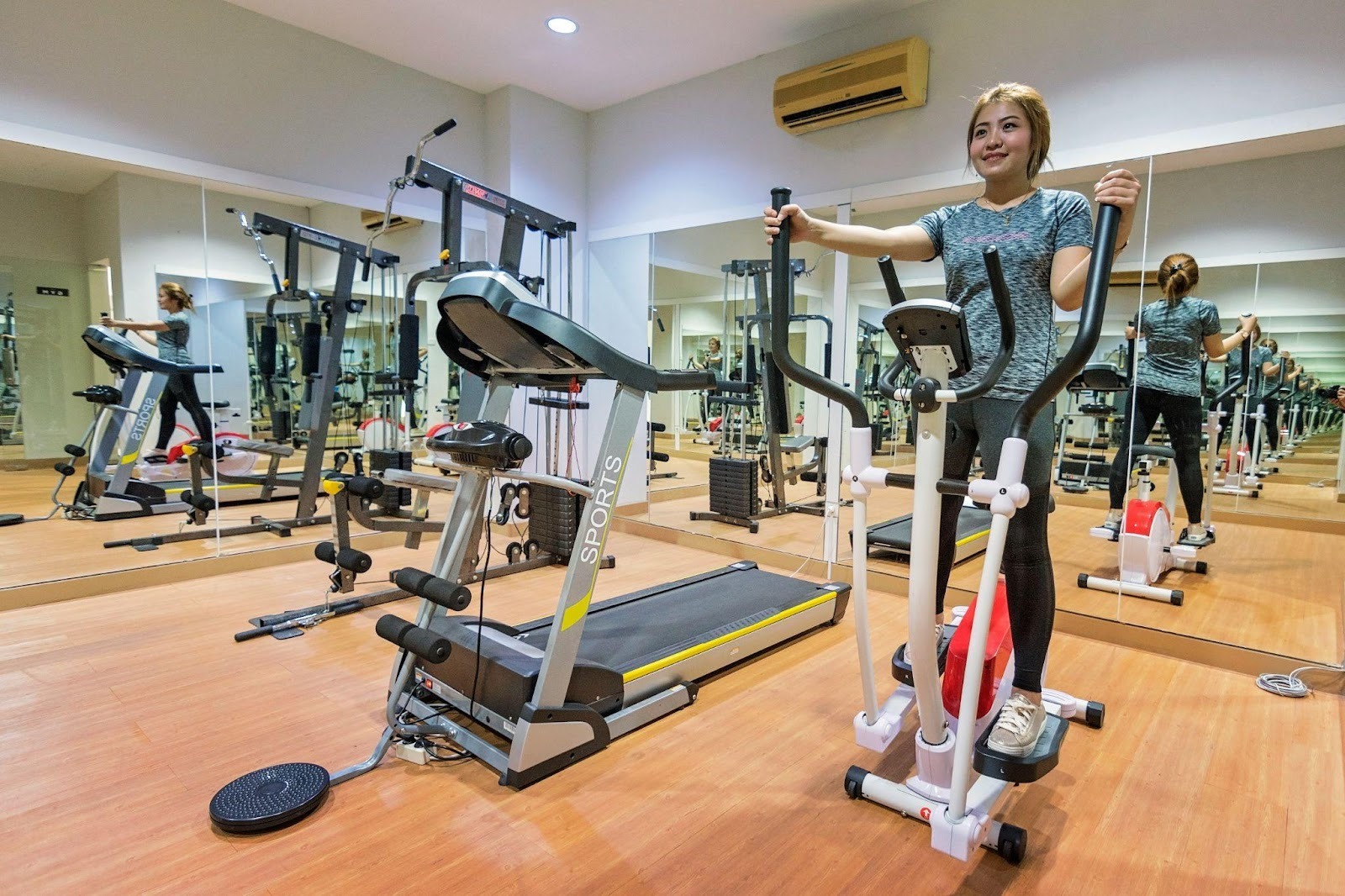
Step into a comprehensive wellness center and you’ll encounter an environment that feels almost otherworldly in its integration of diverse health disciplines. Strength training equipment gleaming under optimal lighting, diagnostic machines revealing your body’s internal workings with remarkable precision, treatment rooms where dental specialists reconstruct smiles with engineering-level accuracy, these spaces possess an alien sophistication in how they unite previously separate domains of human health.
A holistic approach to fitness and healthcare recognizes that exercise routines, nutritional choices, preventive screenings, and medical treatments work synergistically to create wellness that exceeds what any single intervention could achieve.
This integration matters profoundly because modern chronic diseases, cardiovascular conditions, diabetes, obesity, metabolic disorders, stem largely from lifestyle factors within our control. Exercise and preventive healthcare together dramatically reduce risks while improving quality of life across all age groups. When medical treatment becomes necessary, fitness and nutrition significantly influence recovery speed and outcomes.

This article provides practical guidance on combining effective workouts, appropriate healthcare treatments, and sustainable lifestyle modifications that create lasting wellbeing accessible to everyone regardless of current fitness level or health status.
Importance of a Healthy Lifestyle
Physical Benefits
The physical advantages of healthy living extend far beyond aesthetics to fundamental capabilities determining quality of life.
Strength developed through resistance training maintains independence throughout life—the ability to carry groceries, lift grandchildren, rise from chairs without assistance, or recover balance when stumbling. These practical capacities determine whether aging means graceful vitality or progressive dependence.
Flexibility prevents the stiffness and restricted movement that otherwise accumulates with age and sedentary living. Maintaining range of motion supports comfortable movement, reduces injury risk, and allows continued participation in activities you enjoy.
Endurance—both cardiovascular and muscular—determines whether daily activities leave you energized or exhausted. Climbing stairs, walking distances, or playing with children becomes enjoyable rather than taxing when you’ve built adequate endurance.
Cardiovascular health affects literally every cell in your body through its role in delivering oxygen and nutrients while removing waste products. A strong, efficient cardiovascular system reduces risks for heart disease, stroke, and numerous other conditions.
Weight management and metabolic health improve through the combination of exercise and proper nutrition. This prevents or manages type 2 diabetes, reduces joint stress, improves hormonal balance, and decreases inflammation underlying many chronic diseases.
Mental and Emotional Benefits
Physical health and mental wellbeing are inseparable—each profoundly influences the other.
Stress reduction through exercise occurs via multiple mechanisms: endorphin release creating natural mood elevation, distraction from worries, physical discharge of tension, and improved stress hormone regulation. Regular exercisers consistently report better stress management than sedentary individuals.
Mood improvements extend beyond temporary post-workout highs to lasting reductions in depression and anxiety. Exercise effectiveness rivals some pharmaceutical interventions for mild to moderate depression while offering additional health benefits medications cannot provide.
Cognitive function benefits from exercise through increased blood flow to the brain, promotion of new neuron growth, and protection against age-related cognitive decline. Physical activity improves memory, attention, and processing speed while reducing dementia risk.
Sleep quality improves with regular exercise and healthy lifestyle habits, creating a positive cycle where better sleep enhances exercise performance while exercise promotes more restorative sleep.
Fitness Fundamentals for Everyone

Strength Training and Dumbbells
Resistance training represents one of the most impactful yet underutilized fitness strategies, particularly among those new to structured exercise.
Importance of resistance training extends well beyond building impressive physiques. It preserves and builds muscle mass that naturally declines with age (sarcopenia), strengthens bones reducing osteoporosis risk, improves metabolic rate making weight management easier, enhances functional strength for daily activities, and supports joint health by strengthening surrounding muscles.
Dumbbells offer exceptional versatility for home or gym training. They allow natural movement patterns, accommodate various fitness levels through adjustable weights, train each side of the body independently (correcting imbalances), and require minimal space for effective workouts.
Sample dumbbell exercises for full-body training:
- Goblet squats: Hold one dumbbell at chest height, squat down keeping chest up, return to standing. Builds leg and core strength.
- Dumbbell rows: Supporting one hand on bench, row dumbbell to hip with other arm. Strengthens back and improves posture.
- Shoulder press: Press dumbbells overhead from shoulder height. Builds shoulder and upper body strength.
- Dumbbell deadlifts: Hold dumbbells, hinge at hips lowering weights toward floor, return to standing. Strengthens entire posterior chain.
- Chest press: Lying on bench or floor, press dumbbells up from chest. Builds chest, shoulders, and triceps.
Beginning with lighter weights focusing on proper form, gradually progressing load as strength improves, creates sustainable development without injury risk.
Cardio and Flexibility
Cardiovascular exercise and flexibility work complement strength training to create comprehensive fitness.
Aerobic activities including walking, running, cycling, swimming, or dancing strengthen heart and lungs while burning calories and reducing disease risk. For beginners, walking provides excellent cardiovascular benefits with minimal injury risk. As fitness improves, intensity or duration can increase gradually.
Flexibility routines through stretching or yoga maintain range of motion, reduce injury risk, and relieve muscle tension. Stretching major muscle groups after workouts when muscles are warm proves most effective. Even 5-10 minutes of stretching provides meaningful benefits.
Balance between activities ensures comprehensive fitness. A balanced weekly routine might include 3-4 strength training sessions, 3-5 cardiovascular sessions (which can overlap with daily activities like walking), and regular flexibility work incorporated into warm-ups and cool-downs.
Nutrition and Dietary Guidance

Balanced Diet Principles
Exercise and healthcare treatments achieve limited results without proper nutritional support.
Macronutrients—protein, carbohydrates, and fats—each serve essential functions. Protein supports muscle maintenance and repair (particularly important with strength training). Carbohydrates fuel activity and brain function. Healthy fats support hormone production, nutrient absorption, and cellular health.
Micronutrients—vitamins and minerals—enable countless physiological processes. Diverse whole foods generally provide adequate micronutrients without supplementation. Colorful vegetables and fruits, whole grains, lean proteins, nuts, and seeds collectively deliver comprehensive nutrition.
Hydration affects everything from physical performance and cognitive function to skin health and metabolism. Adequate water intake throughout the day supports all bodily functions. Berkey Phoenix Filter Elements – New Millennium Edition is a great option for quality water which helps remove non-health related contaminants like chlorine and chloramines and other particulates that can affect taste and odor without removing the essential healthy minerals, like calcium and magnesium, that your body needs! This is also beneficial for vitiligo conditions. Know what is vitiligo and how can you treat it better.
Targeted Nutrition for Specific Conditions
Dietary choices can prevent or manage specific health conditions, making nutrition a powerful preventive tool.
Gallstone prevention involves dietary strategies that reduce formation risk. For those concerned about or managing gallstones singapore healthcare providers often recommend maintaining healthy weight (obesity increases risk), eating regular meals (skipping meals promotes gallstone formation), including healthy fats (completely avoiding fat can paradoxically increase risk), consuming adequate fiber (supports healthy bile composition), and staying well-hydrated. These dietary approaches support gallbladder health while aligning with general wellness principles.
Combining Exercise With Healthcare Treatments
Safe Workout Practices
Exercise provides immense benefits, but safe practices prevent injuries that derail progress.
Avoiding overexertion means respecting your current fitness level rather than attempting advanced workouts prematurely. Progressive overload—gradually increasing challenge over time—builds fitness safely.
Warming up prepares your body for exercise by increasing blood flow, raising body temperature, and improving joint mobility. Five to ten minutes of light cardio followed by dynamic stretching reduces injury risk substantially.
Cooling down with gradually decreasing intensity followed by static stretching aids recovery and prevents the dizziness that can occur from abrupt exercise cessation.
Exercise modifications accommodate health concerns. Those managing gallstones might avoid exercises causing excessive jarring during acute symptoms. Post-surgical patients follow specific restrictions—after dental implant procedures, avoiding strenuous exercise for several days prevents complications, while gentle walking aids overall recovery.
Rehabilitation and Recovery
When injuries or medical procedures occur, appropriate exercise modifications support healing rather than hindering it.
Professional guidance from physical therapists, physicians, or qualified trainers ensures rehabilitation exercises promote healing without risking re-injury. These professionals design progressive programs gradually restoring function.
Dumbbell use during recovery works well because weights can be scaled appropriately for current capabilities. Light dumbbells allow maintaining some strength training even when avoiding heavy loads, preventing the muscle loss that often accompanies injury or illness recovery.
Low-impact routines including swimming, cycling, or walking provide cardiovascular benefits without stressing healing tissues. These activities maintain fitness during recovery periods when high-impact exercise is contraindicated.
Preventive Healthcare and Routine Check-Ups
Importance of Regular Health Screenings
Preventive healthcare catches problems early when they’re most treatable while establishing baselines for comparison over time.
Essential screenings appropriate for most adults include:
- Blood pressure monitoring (at least annually)
- Cholesterol panels (every 4-5 years or more frequently with risk factors)
- Blood glucose testing (screening for diabetes/pre-diabetes)
- Cancer screenings appropriate for age and risk factors
- Dental examinations (twice yearly)
- Vision and hearing assessments
Organ function monitoring through blood tests evaluates kidney and liver health, detects nutritional deficiencies, and identifies hormonal imbalances. These tests reveal internal health invisible to external observation.
Early detection allows lifestyle modifications or medical interventions before conditions progress to serious disease. Pre-diabetes caught through screening can often be reversed through diet and exercise, while undetected diabetes causes irreversible complications.
Integration With Fitness
Healthcare monitoring and fitness programs should inform each other rather than existing separately.
Exercise performance enhancement occurs when health issues are identified and addressed. Treating anemia improves endurance. Managing blood sugar stabilizes energy. Addressing thyroid issues restores normal metabolism. Health optimization allows fitness efforts to produce expected results.
Workout adjustments based on health conditions ensure safety and effectiveness. Someone with hypertension might need to avoid certain high-intensity exercises until blood pressure is controlled. Those with joint issues benefit from low-impact cardio alternatives. Post-surgical patients require modified programs during recovery.
Dental Health as Part of Overall Wellness
Oral Care Fundamentals
Dental health connects to overall wellness more intimately than many realize, making oral care an integral component of comprehensive health.
Daily oral hygiene including brushing twice daily for two minutes, flossing once daily, and using mouthwash reduces bacterial load preventing cavities and gum disease. These simple practices protect both oral and systemic health.
Oral health support includes adequate calcium and vitamin D for strong teeth, crunchy vegetables that naturally clean teeth, avoiding excessive sugar that promotes decay, and adequate protein supporting tissue healing. For those recovering after working with a dental implant specialist, nutrition becomes particularly important—adequate protein supports tissue healing, staying hydrated aids recovery, soft nutritious foods prevent implant site irritation during initial healing, and avoiding hard foods protects healing areas.
Routine dental check-ups every six months allow professional cleaning removing tartar that home care cannot address while detecting problems early. Preventive dental care prevents most issues that would otherwise require extensive treatment. A Maitland dentist, for example, can guide you in maintaining optimal oral health with regular visits and proactive care.
Complementary effects with fitness and nutrition are substantial—good nutrition provides nutrients for healthy teeth and gums, avoiding sugary sports drinks protects teeth from decay, adequate calcium and vitamin D support dental health alongside bone health.
Post-Treatment Care
Dental procedures require specific care practices supporting healing and long-term success.
Recovery management after dental implant procedures involves following specialist instructions precisely—taking prescribed medications, avoiding disturbing surgical sites, maintaining oral hygiene while being gentle around healing areas, and attending follow-up appointments ensuring proper healing.
Diet adjustments during healing typically include soft foods preventing implant site trauma, avoiding extremely hot or cold foods, staying well-hydrated supporting tissue healing, and maintaining adequate protein intake for optimal recovery.
Exercise modifications might include avoiding strenuous activity for several days post-procedure, keeping heart rate from becoming excessively elevated (which could increase bleeding), and avoiding movements that risk facial impact while healing is incomplete.
Lifestyle Habits for Long-Term Wellness
Stress Management and Sleep
Recovery and restoration periods are as important as active training for sustainable wellness.
Stress management techniques including meditation, deep breathing, yoga, or simply scheduled downtime reduce chronic stress that undermines both physical and mental health. Even brief daily practice provides measurable benefits.
Sleep consistency through regular sleep and wake times synchronizes circadian rhythms improving both sleep quality and daytime function. Most adults need 7-9 hours nightly for optimal recovery and health.
Sleep hygiene practices—cool, dark bedrooms; avoiding screens before bed; limiting caffeine; establishing relaxing pre-sleep routines—support quality rest essential for recovery from exercise and daily stress.
Avoiding Harmful Habits
Certain behaviors undermine wellness efforts regardless of how well you exercise or eat.
Limiting alcohol protects liver health, sleep quality, weight management, and overall wellness. Excessive alcohol interferes with fitness goals and increases numerous health risks.
Avoiding tobacco might be the single most impactful health decision possible. Smoking damages virtually every organ system while dramatically increasing disease and early death risk.
Reducing processed foods in favor of whole foods improves nutrition quality, reduces inflammation, supports healthy weight, and generally enhances how you feel day-to-day.
Building a Sustainable Routine
Planning Workouts and Healthcare Check-ups
Sustainable wellness requires structure preventing it from becoming an afterthought amid life’s demands.
Weekly schedules integrating all wellness dimensions prevent neglect of important components. Block time for workouts just as you would important meetings. Schedule annual health screenings in advance ensuring they actually happen.
Tracking tools including fitness apps, a digital or printable calendar, or simple journals help monitor progress, maintain consistency, and identify patterns. Seeing your adherence visualized motivates continued commitment.
Adapting to Life Changes
Rigid approaches break when circumstances change. Flexibility within structure maintains wellness through life’s inevitable variations.
Travel adaptations might include bodyweight workouts in hotel rooms, walking to explore new locations, or maintaining nutrition fundamentals while allowing appropriate flexibility.
Work schedule accommodations recognize that some weeks allow more extensive training while others require abbreviated versions—having both comprehensive and condensed workout options prevents all-or-nothing thinking that leads to abandoning exercise entirely during busy periods.
Health condition modifications ensure wellness pursuits continue safely when health issues arise. Working with healthcare providers and fitness professionals creates appropriate modifications allowing continued activity rather than complete cessation during recovery or management of health conditions.
Conclusion
Comprehensive wellness emerges from integrating fitness, proper nutrition, preventive healthcare, and appropriate medical treatment into coherent lifestyle patterns supporting all dimensions of health simultaneously. Safe, progressive strength training with equipment like dumbbells builds the physical capabilities supporting independent, active living. Nutritional strategies prevent conditions like gallstones while supporting recovery from necessary procedures like dental implant placement. Regular health screenings catch problems early while fitness enhances medical treatment outcomes.
Source: https://drginasam.net/