

Health and wellness conversations have expanded far beyond diet plans and workout routines. While physical health remains important, many people are realizing that emotional awareness and mental clarity play an equally powerful role in long-term well-being. Wellness today is increasingly about understanding personal limits, emotional patterns, and the signals the body and mind send when something feels off.
This shift reflects a growing awareness that ignoring emotional strain often leads to deeper health challenges over time. Stress, anxiety, and unresolved emotional experiences can quietly influence sleep, energy levels, immune health, and relationships. As a result, self-awareness has become a foundational part of how people define and pursue wellness.
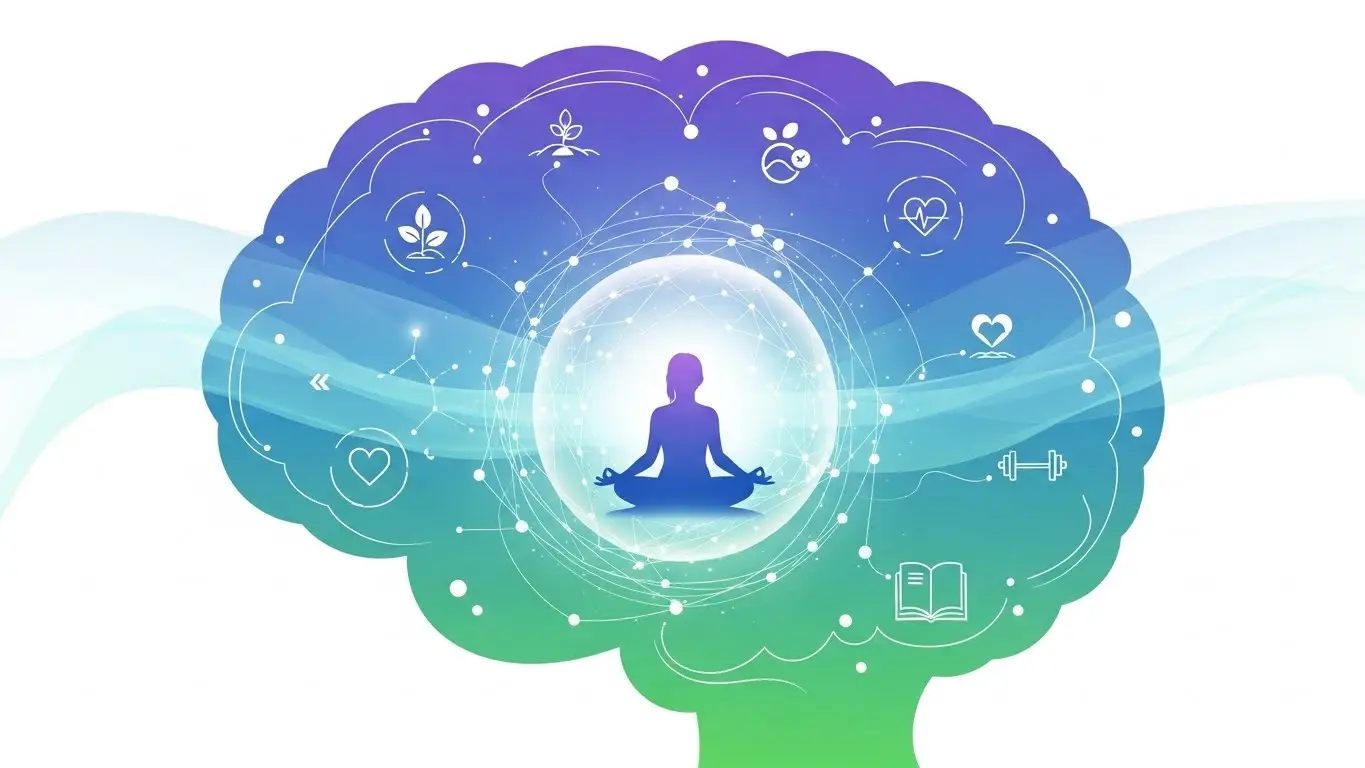
Understanding the Early Signs of Emotional Imbalance
Emotional imbalance rarely arrives suddenly. It often develops gradually through small changes in mood, motivation, or behavior. People may notice increased irritability, difficulty concentrating, disrupted sleep, or a persistent sense of exhaustion even after rest.
These signs are easy to dismiss as everyday stress. However, when they persist, they often indicate that emotional needs are not being met. Wellness experts emphasize the importance of listening to these early signals rather than pushing through them. Paying attention early allows individuals to adjust routines, expectations, and support systems before challenges escalate.
Self-awareness helps people recognize patterns rather than isolated moments. Over time, this awareness becomes a protective factor for both mental and physical health.
The Mind and Body Are Deeply Connected
Modern wellness approaches recognize that mental and physical health are closely intertwined. Emotional stress can affect digestion, heart health, and immune response. Likewise, physical exhaustion can intensify anxiety and low mood.
When people treat health as a whole system rather than separate parts, they are better equipped to create sustainable wellness routines. This holistic perspective encourages balanced sleep schedules, consistent nutrition, physical movement, and emotional care as interconnected elements rather than separate goals.
Understanding this connection empowers individuals to make informed decisions that support long-term resilience rather than short-term relief.
Why Reflection Is a Wellness Skill
Reflection is often overlooked in wellness conversations, yet it plays a critical role in self-care. Taking time to reflect allows individuals to assess how they are truly feeling beneath daily responsibilities and expectations.
Reflection may involve journaling, quiet walks, meditation, or thoughtful conversations. These moments help people process experiences instead of carrying them forward unresolved. Over time, reflection builds emotional intelligence and improves decision-making.
Many wellness practitioners encourage reflection as a regular practice rather than a response to crisis. When reflection becomes routine, people are more likely to recognize when they need rest, support, or change.
Support Systems Matter More Than Ever
Wellness is not meant to be pursued in isolation. Strong support systems help individuals navigate emotional challenges with greater stability. Friends, family, mentors, and professionals all play different roles in emotional health.
In some cases, individuals explore structured support options as part of their wellness journey. Conversations around mental health assessments have become more normalized, allowing people to better understand their emotional state without pressure or stigma. These assessments can provide clarity and help individuals decide what type of support aligns with their needs at a given moment.
This openness reflects a broader cultural shift toward proactive mental health care as a form of self-respect rather than weakness.
The Role of Boundaries in Emotional Wellness
Boundaries are essential for maintaining emotional balance. Without clear boundaries, people may feel overwhelmed, resentful, or emotionally drained. Wellness involves recognizing when to say no, when to step back, and when to prioritize rest.
Setting boundaries does not mean disengaging from responsibilities. It means creating limits that protect energy and mental clarity. Healthy boundaries support better communication, stronger relationships, and improved self-esteem.
As awareness grows, more individuals are viewing boundaries as a core wellness practice rather than a selfish act.
When Self-Care Needs More Structure
Self-care is often associated with relaxation activities, but sometimes deeper emotional challenges require more structured attention. Wellness includes acknowledging when self-guided strategies are no longer enough.
Some people reach a point where gaining clarity about their mental health becomes an important step forward. In these moments, individuals may explore options that offer professional insight into emotional patterns and well-being, such as completing a confidential mental health assessment to better understand where support may be beneficial.
This step is not about labeling or judgment. It is about informed self-awareness and making thoughtful choices aligned with personal wellness goals.
Wellness Is a Long-Term Commitment
True wellness is not achieved through quick fixes. It develops through consistent attention to both physical and emotional needs. This long-term approach encourages patience, flexibility, and compassion toward oneself.
People who commit to ongoing wellness often revisit and adjust their routines as life circumstances change. Career shifts, family responsibilities, and personal transitions all influence emotional needs. A wellness mindset allows individuals to adapt without self-criticism.
Long-term wellness supports stability even during periods of uncertainty.
The Importance of Reducing Stigma Around Mental Health
One of the most significant developments in modern wellness culture is the reduction of stigma around mental health. Open conversations have helped normalize emotional struggles as part of the human experience.
As stigma decreases, people are more willing to seek understanding and support early. This cultural change encourages prevention rather than reaction, which benefits individuals and communities alike.
Wellness becomes more accessible when emotional health is treated with the same respect as physical health.
Integrating Emotional Care Into Everyday Life
Emotional care does not require dramatic changes. Small daily practices often have the greatest impact over time. These may include regular check-ins with oneself, prioritizing rest, limiting overstimulation, and seeking meaningful connection.
When emotional care becomes part of everyday life, wellness feels more sustainable. People are better able to manage stress, recover from setbacks, and maintain a sense of balance.
This integration supports overall quality of life rather than adding pressure to achieve perfection.
A More Compassionate Approach to Health
Modern wellness is moving toward compassion rather than control. Instead of forcing productivity or ignoring emotional needs, people are learning to listen and respond with care.
This compassionate approach allows individuals to recognize when they need support and take steps toward it without shame. Health becomes a collaborative process between mind, body, and environment.
By prioritizing self-awareness, reflection, and support, individuals create a wellness foundation that adapts with them over time.
Choosing Awareness as a Wellness Practice
Wellness is deeply personal. What supports one person may not work for another. Awareness allows individuals to identify what they need in each season of life.
As health and wellness conversations continue to evolve, emotional awareness remains central. It guides better decisions, strengthens resilience, and supports long-term well-being.
Choosing awareness is not about fixing oneself. It is about understanding oneself and building a life that feels balanced, supported, and sustainable.


