

Aging does not have to mean giving up independence. Today’s technology makes it easier than ever for seniors to stay active, safe, and connected. From gentle reminders to devices that call for help when needed, wearables are proving to be more than just gadgets. They are small tools that quietly make everyday life more secure.
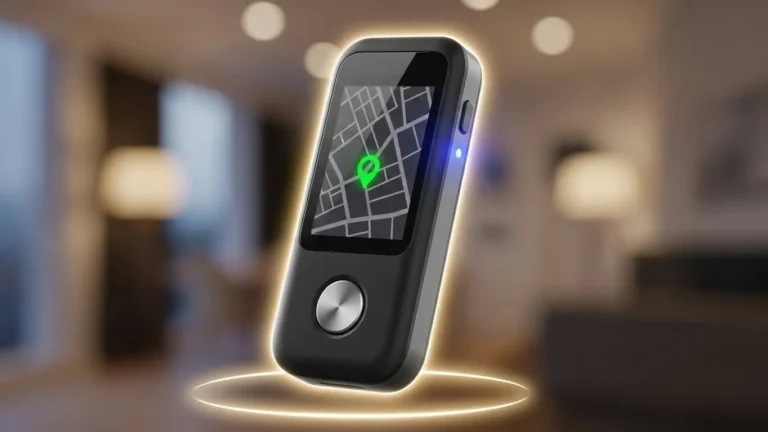
One of the most important aspects of these devices is their ability to give peace of mind. Families want to know their loved ones are safe, and seniors want to maintain freedom without constant check-ins. Devices such as alert pendants are an option worth exploring. For those who want to learn about our medical alert system, the details show how simple tech can fit smoothly into daily routines.

The Growing Role of Everyday Tech
Not all wearables are designed to look like medical gear. Many are sleek, light, and easy to forget once you put them on. Seniors often use them for simple needs such as tracking steps, checking the time, or reminding them to take a daily pill.
This type of technology does more than track numbers. It helps build routines and supports habits that keep life balanced. By making wellness checks simple and convenient, wearables become part of a lifestyle instead of something that feels clinical.
Why Seniors Benefit Most
Seniors often balance the desire for independence with the reality of health concerns. Wearables bridge that gap. They allow older adults to live with confidence while ensuring help is close if something happens.
A fall in the kitchen, a dizzy spell while gardening, or even a sudden rise in heart rate—these are the small emergencies where a quick response matters. Having a device that can signal for help at the push of a button offers reassurance that is hard to match.
More Than Just Emergencies
Wearables are not limited to emergency alerts. They can play a role in day-to-day life in ways that bring comfort and ease. For example:
- Medication reminders: A gentle vibration or sound can prompt someone to take their prescription on time.
- Activity trackers: Even a short walk can be motivating when steps are counted and progress is visible.
- Sleep monitors: Understanding sleep quality can guide better rest routines.
These features might sound simple, but they help seniors keep structure in their day. The goal is not to overwhelm but to support daily living in small, helpful ways.
Balancing Safety and Independence
One concern many seniors share is feeling watched. Nobody wants to lose privacy or autonomy. The good news is that modern devices respect that balance. They are designed to blend in, look like regular accessories, and stay unobtrusive until needed.
This approach makes it easier for seniors to accept and enjoy the benefits of wearable tech. Rather than feeling controlled, they feel supported. Independence is preserved while safety is enhanced.
The Human Side of Tech
It is easy to think of wearables as just machines, but at their core, they represent care. They are tools that families choose out of love and concern. Seniors often say they feel more confident trying new activities when they know they have a safety net.
Technology becomes less about screens and more about relationships. A wearable device ensures that family members can relax, knowing help is available if something goes wrong. That sense of connection is one of the most valuable features of all.
What to Look For in Wearables
Not every device will fit every lifestyle. Some seniors prefer the simplest option, like a pendant that calls for help. Others may enjoy a smartwatch that tracks steps, heart rate, and more. A few important factors to keep in mind include:
- Ease of use: Buttons should be clear and simple.
- Comfort: A device that feels heavy or awkward will not be worn daily.
- Battery life: Longer battery life means fewer worries about charging.
- Discreet style: Devices that look like regular watches or jewelry are often more appealing.
When these features align, the wearable becomes part of everyday life rather than an extra burden.
A Future Built on Simplicity
Technology continues to evolve, but the most effective solutions for seniors are often the simplest. A device that can call for help, remind someone to take a pill, or track daily activity does not need to be flashy. What matters most is reliability.
Wearables are not replacing human care. Instead, they add another layer of support. They provide peace of mind without taking away independence. And that balance is what makes them so valuable in the lives of seniors and their families.

Conclusion
Wearables are shaping a new kind of independence for seniors. They are not complicated, intrusive, or intimidating. Instead, they are subtle companions that make everyday life safer and more enjoyable.
Whether it is a reminder to take medication, a tracker for steps, or a pendant that calls for help, these tools give seniors freedom with security built in. They are proof that technology can care, and that small devices can make a big difference.
Source: https://drginasam.net/



One Comment