

Parents quickly become familiar with coughs, fevers, stomach bugs, and rashes, especially during the early years when children are building immunity through everyday exposure. While many childhood illnesses are mild and resolve with rest, fluids, and monitoring, some symptoms can point to a more serious issue that needs prompt medical attention. Knowing when to seek pediatric urgent care can make a meaningful difference, because the right evaluation can help identify infections, breathing problems, dehydration, or complications before they become harder to treat.
Fever That Lasts Too Long or Comes With Concerning Symptoms
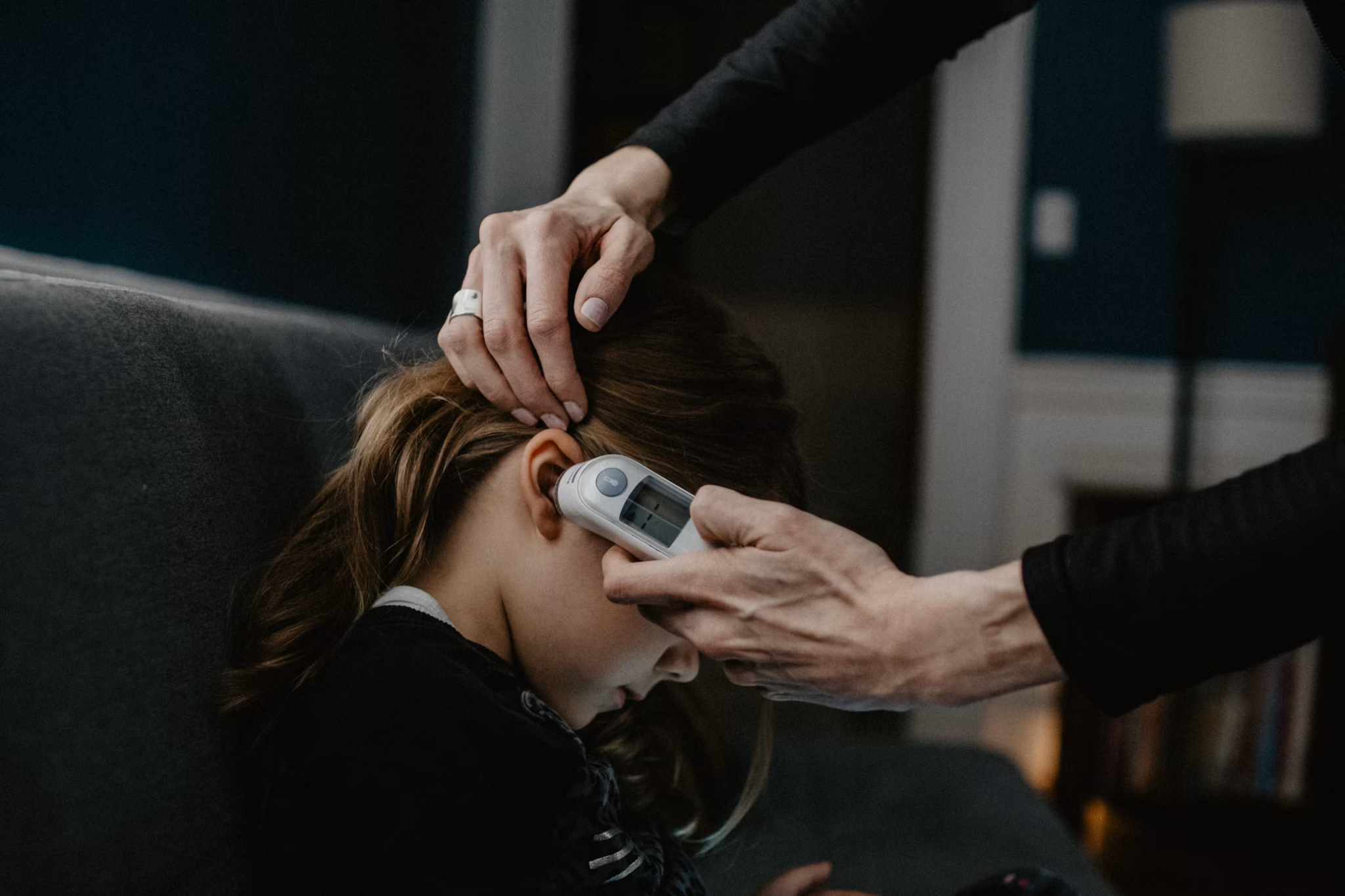
Fever is one of the most common reasons parents worry, and in many cases it is a normal sign that the body is fighting an infection. However, a high fever that does not improve, keeps returning, or lasts several days should not be brushed off as just another virus. Age also matters, and younger children can become unwell more quickly than older kids.
A fever becomes more concerning when it is paired with unusual sleepiness, trouble breathing, a stiff neck, severe headache, repeated vomiting, or signs of dehydration. Children who are difficult to wake, refuse all fluids, or seem confused need medical attention sooner rather than later. Even when the cause turns out to be manageable, it is better to have persistent or unusual fever symptoms assessed early.
Breathing Problems That Seem Worse Than a Typical Cold
Colds are part of childhood, but breathing difficulty should never be treated as routine. Fast breathing, wheezing, noisy breathing, or visible effort such as the chest pulling in between the ribs can signal that a child is struggling to get enough air. These symptoms may be linked to asthma, croup, bronchiolitis, pneumonia, or another respiratory condition that needs prompt evaluation.
Parents should also pay attention to changes in color, especially around the lips or fingernails, as well as a child who cannot speak or cry normally because breathing is too hard. A lingering cough that gets worse instead of better can also be a sign that the illness is moving beyond a simple viral infection. Children often compensate for breathing issues until they suddenly tire out, which is why early attention matters.
Ear Infections, Sore Throats, and Pain That Escalates Quickly
Ear infections and sore throats are common in children, but severe pain or symptoms that rapidly worsen deserve more than home observation. A child with an ear infection may pull at the ear, cry more than usual, struggle to sleep, or develop a fever along with irritability. If pain becomes intense, drainage appears, or symptoms continue despite supportive care, a medical exam is important.
The same goes for sore throats that are accompanied by high fever, swollen glands, difficulty swallowing, or a child refusing to drink because of pain. While many sore throats are viral, some infections such as strep throat need diagnosis and treatment to reduce discomfort and prevent complications. Pain that seems out of proportion, especially when it disrupts eating, sleeping, or hydration, should not be ignored.
Vomiting, Diarrhea, and the Risk of Dehydration
Stomach illnesses are common in childhood, but the real concern is often not the vomiting or diarrhea itself. The bigger risk is dehydration, which can develop quickly in younger children and may become serious before parents realize how much fluid has been lost. A child who cannot keep fluids down, vomits repeatedly, or has diarrhea for an extended period should be watched very carefully.
Warning signs of dehydration include a dry mouth, no tears when crying, very little urine, sunken eyes, unusual drowsiness, or dizziness in older children. Babies and toddlers are especially vulnerable because they have smaller fluid reserves and may not be able to explain how they feel. If a child is becoming weak, difficult to wake, or unable to drink enough to replace losses, medical care should be sought promptly.
Rashes, Skin Changes, and Illnesses That Look Minor at First
Many childhood rashes are harmless and linked to viral infections, allergies, or skin irritation. Still, some rashes deserve urgent attention, especially when they appear suddenly with fever, pain, swelling, or a child who seems generally unwell. A rash that does not fade when pressed, spreads rapidly, or looks bruised or purple should always be taken seriously.
Skin infections can also begin as something small and become more severe over a short period of time. Redness that spreads, warmth around the area, swelling, tenderness, or pus may point to an infection that needs treatment. Parents should also watch for hives paired with facial swelling or breathing trouble, since that combination may suggest an allergic reaction requiring immediate care.
Trusting Your Instincts When Something Feels Off
Parents are often the first to notice when an illness is not following the usual pattern. A child may not have a dramatic symptom, but their energy, behavior, appetite, or level of alertness may be clearly different from what is normal for them. That instinct matters, especially when combined with symptoms that are getting worse instead of improving.
It helps to remember that common childhood illnesses are not dangerous simply because they are common, but because they can sometimes hide complications beneath familiar symptoms. A lingering fever, breathing difficulty, escalating pain, dehydration, or an unusual rash are all signs that a child may need more than rest at home. When parents understand what to watch for and act promptly when something does not seem right, they give their child the best chance of getting the right care at the right time.


One Comment