Minimalism is often misunderstood. Scroll through social media, and the word usually conjures images of spotless white rooms, sparse furniture, and carefully curated neutral outfits. It’s a trend that has become synonymous with clean lines, empty spaces, and an almost sterile sense of calm. But when looking closer, modern minimalism has evolved into something deeper than just a visual aesthetic. At its core, it’s about preparation—building a life that is resilient, intentional, and adaptable in a world that’s increasingly unpredictable.
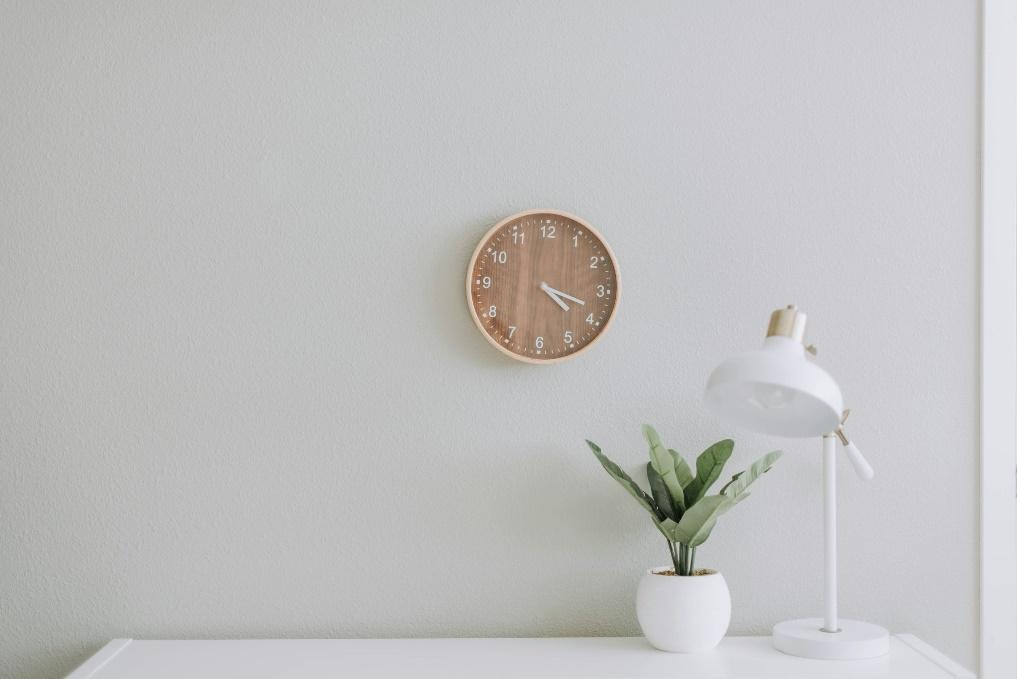
The modern minimalism movement asks an important question: how do we equip ourselves, financially, mentally, and emotionally, not just to survive, but to thrive in an environment defined by uncertainty and excess? To answer that, it helps to unpack what minimalism really is today, why finances are central to it, and how preparation—more than design—defines its value.
Financial Foundations of a Minimalist Lifestyle
One of the first things people discover when they begin exploring a minimalist lifestyle is that it often results in greater financial clarity. In a consumer-driven world, clutter doesn’t only apply to physical objects in one’s home but also to unnecessary expenses, debts, and financial obligations. The process of stripping back to essentials often leads to a healthier financial foundation.
Minimalism encourages mindful spending. Instead of chasing every new gadget, fashion trend, or subscription service, minimalists learn to ask themselves whether a purchase adds long-term value to their lives. This simple practice has profound effects: it redirects money from fleeting indulgences toward meaningful investments such as education, health, or future security.
It’s within this context that an important financial question often arises: how much should you have in an emergency fund? The minimalist perspective reframes this not as a matter of accumulating wealth for wealth’s sake, but as an act of preparation and peace of mind. An emergency fund ensures that life’s unpredictabilities—such as medical expenses, job transitions, or unexpected car repairs—don’t derail one’s stability.
Decluttering as Strategic Preparation
The most recognizable side of minimalism is the clean, uncluttered home. Yet what often goes unnoticed is that decluttering is less about aesthetics and more about preparation. When possessions are pared down to essentials, people gain several practical advantages:
- Faster decision-making: Less clutter means fewer daily distractions, allowing mental energy to be conserved for important tasks.
- Emergency readiness: In the event of a move, a sudden job relocation, or even a natural disaster, having fewer possessions makes it easier to adapt quickly.
- Space optimization: By intentionally choosing what deserves space, individuals prepare their environment for efficiency and ease rather than stress and maintenance.
Time as the Ultimate Currency
Preparation isn’t only about money or material possessions. It’s also about time—the most finite resource anyone has. Modern minimalism prioritizes how time is spent, cutting away commitments that don’t align with personal values or long-term goals.
This perspective means setting boundaries around work, social obligations, and digital distractions. It means designing life so that time can be directed toward activities that matter: pursuing meaningful projects, investing in health, or strengthening relationships.
Mental Clarity and Emotional Resilience
A cluttered environment often mirrors a cluttered mind. Modern minimalism emphasizes the mental health benefits of preparation: fewer distractions, less decision fatigue, and greater emotional resilience.
When people consciously choose to own fewer items, they also practice letting go of attachments that don’t serve them. This act of release can be emotionally liberating, reducing anxiety and creating space for clarity. Moreover, by preparing for life around simplicity, individuals become more resilient when challenges arise. Instead of scrambling to manage overflowing possessions, commitments, or financial stress, they have the mental bandwidth to adapt and focus on solutions.
Designing Systems, Not Just Spaces
Traditional minimalism often centers on design—white walls, empty desks, and furniture that seems to hover above the floor. While appealing, such aesthetics can be superficial if they’re not paired with supportive systems.
Modern minimalism shifts the emphasis from how a room looks to how a life works. This means designing systems that simplify tasks and create consistency:
- Digital organization: Cloud storage, minimal apps, and clear folder structures reduce wasted time and lost files.
- Meal planning: Preparing simple, nourishing meals in advance eliminates stress and reliance on fast fixes.
- Wardrobe systems: A capsule wardrobe minimizes decision fatigue while ensuring personal style is preserved.
Minimalism and Future-Proofing
A major reason modern minimalism is more about preparation is its emphasis on adaptability. Life is uncertain, and the ability to adjust quickly often determines whether a person thrives in the face of change.
By keeping financial obligations light, possessions manageable, and schedules intentional, minimalists maintain flexibility. This agility allows them to relocate for new opportunities, pivot careers, or handle unexpected life shifts without being weighed down by excess. In a world where economic changes, technological shifts, and personal challenges can occur suddenly, this kind of future-proofing is invaluable.
Relationships and Intentional Living
Another overlooked aspect of preparation in minimalism is how it reshapes relationships. In prioritizing what matters most, many people discover that time, energy, and attention are better invested in people than in possessions.
A prepared life often includes clear communication boundaries, intentional friendships, and strong support networks. These relationships act as a buffer in times of stress and uncertainty.
Mental Energy and Decision Simplification
Another practical advantage of minimalism as preparation lies in decision-making. Modern life overwhelms people with choices—from what to wear to what to watch. Each decision, no matter how small, consumes mental energy.
Minimalism reduces this cognitive load by narrowing options. For example, simplifying a wardrobe to a few versatile outfits means less time debating daily clothing choices. Streamlining digital devices by limiting apps and notifications allows for more focus on meaningful work.
The True Measure of Modern Minimalism
In the end, the real power of modern minimalism lies in its shift away from surface-level design trends and toward preparation. Owning fewer things is not an end in itself; it is a means of making space—physically, financially, and mentally—for what truly matters.
As the world continues to change rapidly, the essence of modern minimalism becomes clearer: it’s less about how things look and more about whether one is equipped to navigate life with focus and resilience. By grounding daily habits in preparation—financially, emotionally, and practically—minimalism transforms from an aesthetic choice into a powerful strategy for living with intention.