

Rehabilitation care is one of the most important steps for people working toward recovery, whether it’s from substance use, chronic pain, or mental health challenges. Yet for many, the biggest obstacle isn’t motivation; it’s cost. Rehab programs can be expensive, covering medical supervision, therapy sessions, medications, and follow-up care. Without financial support, the idea of entering treatment may feel overwhelming or even impossible.
That’s where insurance plays a critical role. Having coverage can make the difference between someone getting the help they need right away and delaying treatment because of financial concerns. In fact, health insurance is designed not only to make rehab more affordable but also to give individuals access to higher-quality care. However, every insurance plan is different. What’s covered, how much is paid, and the length of coverage vary widely.
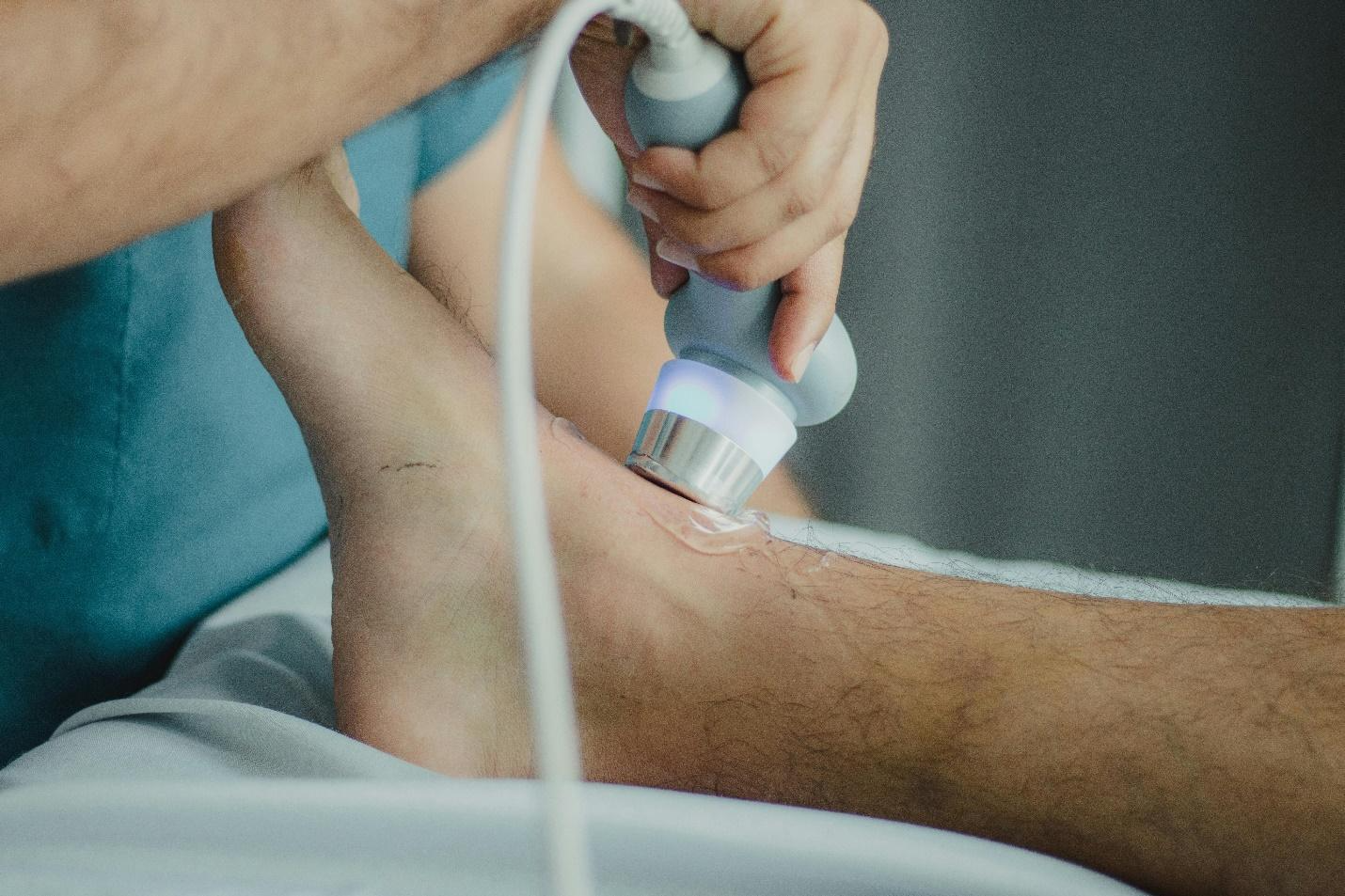
If you’re considering rehab for yourself or a loved one, understanding how insurance works is the first step toward making treatment more accessible. Let’s look at why insurance matters, what’s usually covered, and how you can use it to support a smoother path to recovery.
Why Insurance Matters for Rehab Access
Rehab is often more than just a short-term program. It can involve weeks or months of treatment, aftercare planning, and ongoing therapy. Costs can add up quickly, and without insurance, many families struggle to keep up with the financial burden. Insurance helps by covering a significant portion of these expenses, giving people the chance to focus on healing instead of worrying about bills.
For example, many patients look into options such as Blue Cross Blue Shield rehab cover to see how their insurance plan supports access to rehab services. Depending on the policy, coverage may include inpatient care, outpatient programs, detox services, or counseling sessions. Having this kind of support not only reduces stress but also makes it realistic for people to complete their treatment program without cutting it short due to cost.
The key benefit of insurance is peace of mind. Knowing that your plan covers at least part of your rehab journey allows you to commit fully to recovery. With the financial side managed, you can put more energy into the process itself, which improves your chances of long-term success.
Types of Rehab Care Often Covered by Insurance
Insurance usually covers a range of rehab services, though the exact details depend on your plan. Inpatient rehab, where you stay at a facility full-time, is often included for people who need intensive treatment. Outpatient programs are also commonly covered, giving patients flexibility to attend therapy while living at home.
Other services, such as detox programs, group therapy, and aftercare planning, may also be part of the coverage. Some plans even include medication-assisted treatment or mental health counseling if it’s part of the recovery process. Understanding these options helps you choose the right level of care without worrying whether it’s financially possible.
How to Check Your Coverage
One of the most important steps before starting rehab is confirming what your insurance will actually cover. You can start by reviewing your policy documents, but it’s often easier to call your insurance provider directly. Ask about which programs and facilities are included, how long treatment is covered, and whether you need pre-approval before starting care.
Rehab centers themselves can also help with this process. Many facilities have admissions staff who work directly with insurance companies to verify benefits and explain your options. Taking the time to check coverage in advance prevents unexpected bills and helps you plan for any out-of-pocket costs.
Common Limitations and Challenges
While insurance makes rehab more accessible, it does come with limitations. Some plans may only cover treatment at approved facilities or require you to get pre-authorization before starting. Others might limit the length of coverage, meaning they’ll only pay for a certain number of days in an inpatient program.
There can also be out-of-pocket expenses such as co-pays, deductibles, or costs for services not fully covered. These details may feel discouraging at first, but knowing them ahead of time allows you to prepare financially and avoid surprises. The key is to look at the bigger picture: even partial coverage can make a huge difference compared to paying for rehab entirely on your own.
Why Choosing the Right Facility Matters
Not all rehab centers accept the same insurance providers, so it’s important to find a facility that works with your plan. Choosing an accredited center that has experience coordinating with insurers ensures your care is both high-quality and financially manageable.
When researching facilities, consider factors like the types of programs offered, staff qualifications, and the environment you or your loved one will be living in. Balancing these elements with insurance compatibility means you’ll be able to access care that meets your needs without unnecessary financial stress.
The Broader Impact of Insurance on Recovery Outcomes
Insurance coverage does more than reduce costs. It can directly impact recovery outcomes. People with adequate coverage are more likely to stay in treatment longer, giving them the best chance for lasting recovery. Shortening a program because of financial concerns often reduces its effectiveness, while completing the full course increases the chances of success.
Insurance also eases the burden on families. Instead of focusing on how to pay for treatment, loved ones can put their energy into offering emotional support. This shift makes the recovery process stronger, since patients benefit from both professional care and a supportive home environment.
Ultimately, insurance plays a powerful role in turning rehab from an overwhelming challenge into an achievable goal. It creates a path where cost doesn’t stand in the way of healing.
Rehab care can be life-changing, but it often comes with a significant price tag. Insurance bridges that gap, helping people access programs that might otherwise feel out of reach. From inpatient and outpatient services to aftercare and counseling, coverage helps reduce the financial strain and makes recovery more attainable.
While every insurance plan has its limits, understanding your coverage before starting treatment allows you to plan with confidence. Taking the time to verify benefits and choosing a facility that works with your insurer ensures a smoother, less stressful experience.
Recovery is already a challenging journey. With the support of insurance, you can focus on healing, rebuilding your life, and creating a healthier future, without being held back by financial barriers.
Source: https://drginasam.net/


