Lower back pain is a common concern that affects women of all ages, often interfering with daily routines and overall well-being. Understanding the causes of lower back pain in women is essential, as triggers can range from muscle strain and hormonal changes to underlying medical conditions. In some cases, persistent or severe symptoms may require prompt evaluation at an ER in Lake Jackson to rule out serious complications and ensure appropriate care.
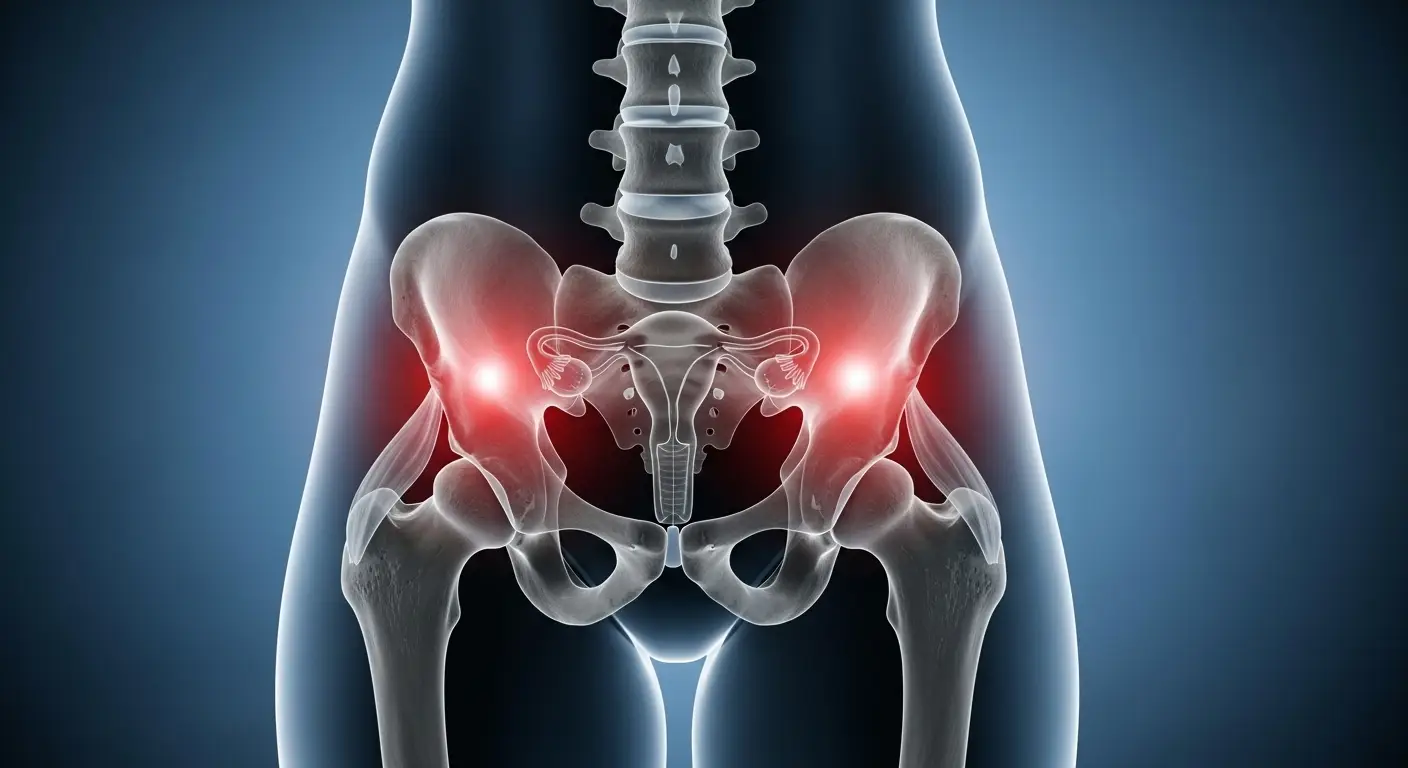
Causes of Lower Back Pain In Women
Lower back pain in women can result from hormonal changes, musculoskeletal strain, or underlying medical conditions. Understanding the reasons for low back pain in women helps determine when simple home care is enough and when medical attention may be necessary.
1. Muscle Strain
One of the most common causes of lower back pain in women is muscle strain. Heavy lifting, poor posture, sudden movements, or prolonged sitting can overstretch muscles and ligaments, leading to stiffness, soreness, and limited mobility.
According to the National Institute of Neurological Disorders and Stroke, acute low back pain is most often mechanical in nature, meaning it results from muscle or ligament strain rather than a serious spinal condition.
2. Premenstrual Syndrome (PMS)
Hormonal fluctuations before a menstrual cycle can cause bloating, inflammation, and muscle tension. These changes may trigger mild to moderate lower back discomfort that improves once the period begins.
3. Menstrual Cramps
During menstruation, uterine contractions can radiate pain to the lower back. This discomfort is often described as a dull, throbbing ache and may be accompanied by abdominal cramps.
4. Endometriosis
Endometriosis occurs when tissue similar to the uterine lining grows outside the uterus. It can cause chronic pelvic and lower back pain, especially during menstruation, and may worsen over time if untreated.
5. Pregnancy
As pregnancy progresses, weight gain and posture changes strain the lower spine. Hormones also loosen ligaments to prepare for childbirth, which can contribute to instability and back discomfort. Studies published by the American Pregnancy Association suggest that more than 50% of pregnant women experience some degree of back pain.
6. Osteoporosis
Osteoporosis weakens bones, making them more prone to fractures. Compression fractures in the spine can cause sudden or persistent lower back pain, particularly in postmenopausal women. The National Osteoporosis Foundation reports that about 1 in 2 women over age 50 will break a bone due to osteoporosis.
7. Dysmenorrhea
Dysmenorrhea refers to severe and painful menstrual cramps. The intense uterine contractions may radiate into the lower back, sometimes significantly affecting daily activities.
If pain is severe, sudden, associated with fever, numbness, weakness, or difficulty controlling bladder or bowel function, seeking immediate care at an emergency room near me is important to rule out serious conditions.
Treatment Options for Lower Back Pain In Women
Treatment for backache in women depends on the underlying cause, but many cases, especially those related to muscle strain or menstrual discomfort, can improve with conservative care. If symptoms persist or worsen, seeking medical evaluation at Altus Emergency Center may be necessary to ensure proper diagnosis and treatment.
- Heat Therapy: Using a heating pad on the lower back can boost circulation, helping deliver oxygen and nutrients to tense muscles. This can reduce stiffness and ease female waist pain, especially when related to periods or muscle tension.
- Over-the-Counter (OTC) Pain Relievers: Most doctor recommends Nonsteroidal anti-inflammatory drugs (NSAIDs) like ibuprofen (Advil, Motrin), naproxen (Aleve), or aspirin can help reduce inflammation and relieve pain associated with menstrual cramps or muscle strain.
- Exercise and Gentle Stretching: Staying active improves blood flow and reduces muscle tightness. Low-impact activities such as walking, yoga, or light core strengthening exercises can help prevent recurring backache in women. Gentle stretching may also reduce stiffness and improve flexibility.
- Cold Therapy: If pain is caused by a recent muscle strain or injury, applying an ice pack during the first 24–48 hours can help reduce inflammation, swelling, and discomfort.
- Proper Sleep Support: Placing a pillow between your knees while sleeping on your side, or under your knees if lying on your back, can help maintain spinal alignment and reduce pressure on the lower back.
- Ergonomic Support: Using a chair with good lumbar support can significantly ease strain on the lower spine, especially for women who sit for long periods at work.
When to Go to the ER?
Most cases of back pain improve with rest and home care, but certain symptoms can signal a more serious condition that requires emergency attention.
- Severe or sudden pain that doesn’t improve with rest or becomes unbearable
- Numbness, tingling, or weakness in the legs
- Loss of bladder or bowel control, which may indicate nerve compression
- Back pain during pregnancy accompanied by severe abdominal pain or bleeding
- High fever with back pain, especially with chills (possible infection)