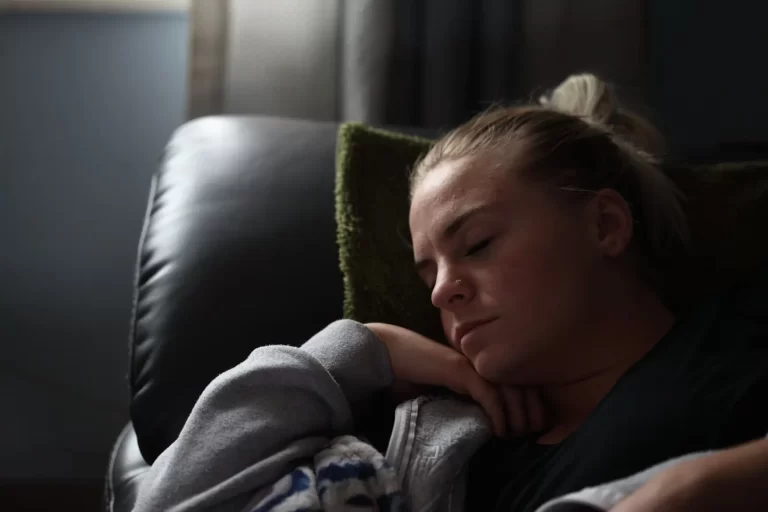

Withdrawal is the part of recovery that scares most people.
And truthfully? That fear makes sense. Withdrawal from drugs or alcohol can be extremely physically painful and mentally draining. Your body has spent months(and sometimes years) getting used to having something inside it. Suddenly taking it away completely wreaks havoc.

But here’s the thing…
Withdrawal doesn’t have to be painful if you have the proper medical assistance. Medicine can now easily manage symptoms safely and with the help of structured treatment programs, it is much easier to go through.
That is why so many individuals seek professional assistance when getting clean. Withdrawal can be one of the most dangerous parts of the recovery process and going it alone usually leads to disaster. Doctors can watch vitals, administer medications to help with symptoms, and intervene quickly should an emergency arise.
An intensive outpatient program can help provide that support on your journey to recovery. It allows patients to receive medical supervision while not staying at a facility on a full-time basis. If you or a loved one are in the Garden State, look to a reputable drug rehab New Jersey provider that offers intensive outpatient program services.
Learn about the signs, symptoms, causes, and medical management of withdrawal.
What you’ll discover:
- What withdrawal symptoms really are
- Why withdrawal needs medical management
- The most common withdrawal symptoms by substance
- How medical detox works
- The role of an intensive outpatient program
- What to look for in a treatment provider
What Are Withdrawal Symptoms?
Withdrawal symptoms occur when the body suddenly stops receiving a substance it has become dependent on.
Let’s put it this way… If you take a drug often enough your body and brain become used to it. Suddenly stop and your body will have to adjust. That adjustment period is called withdrawal. It can be physical and/or mental.
Severity depends on a few key factors:
- The substance used
- How long it was used
- The dose taken
- Overall physical health
- Whether other drugs were involved
Withdrawal from some drugs (caffeine, for example) can mostly be an annoyance. Withdrawal from others (alcohol, benzos) can be dangerous without medical supervision.
Why Medical Management Matters
Here’s something a lot of people don’t realise…
Detoxing from some substances is among the riskiest times in recovery. Delirium tremens, alcohol withdrawal’s most serious form, is fatal in as many as 15% of people who don’t receive medical treatment. With medical care, the mortality rate falls below 1%.
That’s a massive difference.
Medical management does a few important things:
- Keeps people physically safe during dangerous symptoms
- Reduces severity through medication
- Provides emotional support when cravings hit hard
- Prevents complications like seizures or dehydration
That’s why going alone almost never pans out. For context, 48.4 million Americans experienced a substance use disorder in 2024 — and most will require professional assistance to detox safely.
Common Withdrawal Symptoms by Substance
Withdrawal doesn’t look the same for everyone. The substance used shapes the entire experience.
Alcohol Withdrawal
Symptoms from alcohol withdrawal can be some of the worst offenders. Symptoms typically begin 6-24 hours after your last drink:
- Shaking and tremors
- Sweating and rapid heartbeat
- Anxiety and irritability
- Nausea and vomiting
- Seizures in severe cases
- Hallucinations or DTs
This is why alcohol withdrawal almost always needs medical supervision.
Opioid Withdrawal
Opioid withdrawal feels like the worst flu imaginable. It’s rarely fatal, but brutally uncomfortable:
- Muscle aches and cramps
- Restless legs
- Nausea and diarrhoea
- Runny nose and watery eyes
- Anxiety and depression
- Powerful cravings
The mental side is what makes opioid withdrawal so tough to ride out alone.
Benzodiazepine Withdrawal
Benzo withdrawal might be the most dangerous of all. It can cause:
- Seizures
- Insomnia
- Confusion
- In rare cases, psychosis
This form of withdrawal should be tapered off with medical supervision. Going cold turkey can be life-threatening.
Stimulant Withdrawal
Cocaine and meth withdrawal hits hardest mentally:
- Extreme fatigue
- Heavy depression
- Strong cravings
- Sleep disturbances
How Medical Detox Manages Withdrawal
OK, now that’s out of the way, how does medical detox work? Believe it or not, it’s way more complex than tossing someone in a room and waiting for them to snap out of it.
Here’s the breakdown:
Step 1: Medical Assessment
First, an assessment is performed. Physicians review substance use history, physical and mental health and risk factors. The treatment plan is formulated around this.
Step 2: Stabilisation
Enter medications. Buprenorphine or methadone are commonly used in opioid withdrawal. Benzodiazepines (benzos) are commonly used to prevent seizures in alcohol withdrawal.
The whole point is to make the patient as comfortable and safe as possible.
Step 3: Monitoring
Patients are monitored around the clock (or regularly for outpatients) in a facility inpatient. Vital signs, symptoms, and mood are monitored.
Step 4: Transition to Treatment
Detox is just the beginning. After stabilization, comes therapy, counselling, and planning for long-term recovery.
The Role of an Intensive Outpatient Program
An intensive outpatient program (IOP) provides you with one of the most convenient treatment options available.
Here are the basics: Patients reside at home and travel to treatment sessions several times a week. Sessions usually consist of group therapy, individual counselling and addiction and recovery education.
If you require intensive care but don’t need round-the-clock medical attention, an intensive outpatient program is likely your ideal solution. This level of care allows you to:
- Keep working or attending school
- Stay connected to family
- Practice recovery skills in the real world
- Get professional support several times a week
IOPs can be particularly beneficial following detoxification. When the most severe physical symptoms have been addressed, an IOP allows for continued structure as life resumes. Considering only 19.3% received treatment out of those who needed it in 2024, recovery options like IOPs are crucial.
What To Look For In A Treatment Provider
Not every program is created equal. Picking the right one matters.
Things to consider:
- Medical credentials of the staff
- Evidence-based therapies like CBT
- Personalised treatment plans for each patient
- Aftercare support to prevent relapse
- Accreditation from recognised bodies
Choosing the right provider can mean the difference between an easy recovery and a painfully long one.
Bringing It All Together
Withdrawal can be one of the hardest parts of recovery — but it doesn’t have to be the most terrifying.
With appropriate treatment, the risk is greatly reduced and the pain becomes more manageable. Here’s a brief rundown:
- Withdrawal symptoms vary by substance and severity
- Some types (like alcohol and benzo withdrawal) can be life-threatening
- Medical detox dramatically reduces the risks
- An intensive outpatient program offers continued structure after detox
- Picking the right provider matters
Hope exists. You can recover. With great people around you and a solid plan in place — individuals overcome withdrawal every day. And create new lives they once thought were out of reach.