

While your child’s oral health is essential, getting kids to take care of their teeth isn’t always easy. Your little one may resist daily brushing and flossing or need help with their technique.
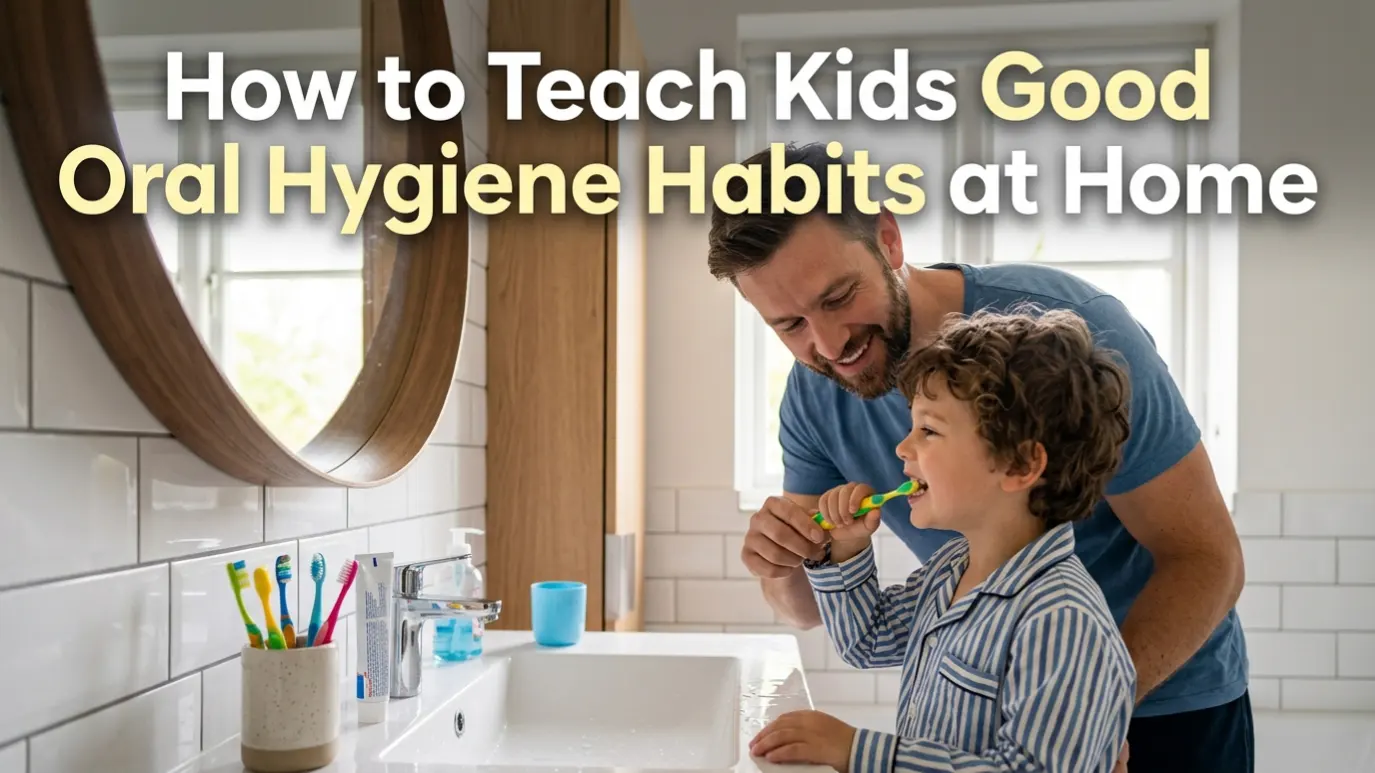
Fortunately, you can build strong oral hygiene habits at home with the right approach. Read on to learn eight tips to encourage daily dental care and how dental insurance for kids can help you stay on track with their routine checkups.
Tip #1: Start early and keep it simple
Daily dental care begins earlier than many parents expect. In fact, cavities can develop as soon as your child’s first tooth appears.1
To prevent cavities, gently clean your baby’s gums with a soft cloth after feedings.2 After their first tooth comes in, begin brushing daily with a small amount of fluorinated toothpaste and floss between teeth that touch each other.3
You can also schedule their first dental visit within six months of their first tooth.4
Tip #2: Lead by example
While you may handle most of your child’s dental care in the early stages, you can gradually shift some responsibility to them over time. One of the best ways to support this transition is to brush and floss together.
When your child sees you taking care of your teeth, they’ll be more likely to follow your lead. These shared dental care sessions also give you a chance to guide their technique.
Some best practices to teach them include:
- Brushing for two minutes using small, circular motions
- Cleaning every tooth, including the front, back and chewing surfaces
- Gently brushing the tongue to remove bacteria
- Flossing every evening to clean between the teeth
Tip #3: Make daily dental care more exciting
Some children resist brushing and flossing because it feels like a chore. By adding a few interactive elements to their oral care routine, you can get them more excited about protecting their pearly whites.
Here are some fun oral hygiene ideas:
- Let them pick out their own toothbrush at the store
- Play their favorite two-minute song as they brush
- Use a timer or app to keep them engaged
These small adjustments can transform daily dental care from a tedious task into something they look forward to.
Tip #4: Build a consistent routine
Consistency is key when building any new habit. You can make your child’s dental care feel more automatic by setting clear times for brushing each day, such as after breakfast and before bed. Over time, this routine can help reduce resistance and make brushing feel like a natural part of their day.
Tip #5: Use positive reinforcement
Encouragement is often more motivating than pressure. With this in mind, celebrate your child’s efforts when they follow through with their daily dental care. Simple rewards like sticker charts or verbal praise can go a long way toward reinforcing their new dental habits.
Tip #6: Be mindful of their diet
While brushing and flossing are cornerstones of at-home dental care, your child’s diet can also play a significant role in their oral health. Most notably, sugary snacks and drinks can increase the risk of cavities.
While you don’t need to eliminate treats entirely, it can be helpful to:5
- Limit how often your child consumes sugary foods and drinks
- Encourage them to drink water between meals to help rinse away food particles
- Avoid giving them sticky or hard candies that may cling to their teeth
It’s also helpful to teach your child how sugary foods affect their teeth. When they understand that sugar can lead to cavities, they may feel more motivated to make healthier choices.
Tip #7: Keep up with regular dental visits
Along with daily care, regular dental checkups are crucial for maintaining your child’s long-term oral health. During these visits, their dentist can remove plaque and tartar buildup, identify issues early and provide tailored guidance.
If you’re concerned about the cost, dental insurance can help make routine visits more manageable. Many dental insurance plans cover preventive services like cleanings, exams, X-rays and sealants, along with a portion of more complex treatments.
Tip #8: Stay patient and consistent
Building new habits takes time. Some days may go more smoothly than others, and that’s totally normal.
With patience, consistency and ongoing encouragement, you can help your child develop strong oral hygiene habits that support their oral health for years to come!
Sources:
1. HealthyChildren.org. Why It’s Important to Take Care of Baby Teeth. Updated on January 20, 2026. https://www.healthychildren.org/English/ages-stages/baby/teething-tooth-care/Pages/How-to-Prevent-Tooth-Decay-in-Your-Baby.aspx. Accessed on April 13, 2026.
2. Mouth Healthy. Baby Teeth. https://www.mouthhealthy.org/all-topics-a-z/baby-teeth. Updated on N/A. Accessed on April 13, 2026.
3. Mouth Healthy. Baby Teeth. https://www.mouthhealthy.org/all-topics-a-z/baby-teeth. Updated on N/A. Accessed on April 13, 2026.
4. Mouth Healthy. Baby Teeth. https://www.mouthhealthy.org/all-topics-a-z/baby-teeth. Updated on N/A. Accessed on April 13, 2026.
5. Brinkley Dental Group. How to Limit the Impact of Sweets on Your Kids’ Teeth. Updated on October 16, 2024. https://brinkleydentalgroup.com/how-to-limit-the-impact-of-sweets-on-your-kids-teeth/. Accessed on April 13, 2026.




One Comment