

Most people assume orthodontics is something you deal with in your early teens—braces on, braces off, job done. In reality, the “right” time to visit an orthodontic clinic is less about age and more about timing: catching problems early enough to avoid complex treatment later, and knowing when changes in your bite, jaw, or teeth are signalling that something needs attention.
Londoners in particular often put it off. Life is busy, commutes are long, and if your teeth are “mostly fine,” it can feel like a low priority. But orthodontic issues don’t always announce themselves with pain. They show up as wear, shifting, headaches, or difficulties cleaning—small things that quietly add up.
Early visits: why age 7–9 matters (even if treatment is later)
Orthodontists often recommend a first assessment in childhood, commonly around age 7–9. That doesn’t mean braces that young are inevitable. It means you get a baseline view of how the jaw is developing and whether there are any red flags that benefit from early monitoring.
What an early assessment can spot
A timely check can identify issues like:
- Crossbites (where top teeth sit inside the lower teeth)
- Narrow arches that may affect the bite and breathing
- Early or delayed loss of baby teeth
- Adult teeth erupting in the wrong place
- Habits such as thumb-sucking that influence jaw growth
London parents sometimes wait until all adult teeth are in. The downside is that certain growth-related problems are easiest to guide while the jaw is still developing. Even if the orthodontist recommends “review in 12 months,” that appointment can prevent surprises later.
Clear signs it’s time to book—children, teens, or adults
Some people seek orthodontic advice for cosmetic reasons, and that’s completely valid. But there are also practical signs that you’re not just dealing with aesthetics—you’re dealing with function, hygiene, or long-term tooth stability.
If any of these sound familiar, don’t wait
Here’s a quick checklist of common reasons to schedule a consultation:
- Your teeth are crowding, overlapping, or becoming harder to clean
- You’ve noticed shifting after years of stability (especially after wisdom teeth or missed retainer wear)
- Your bite feels “off,” or you can’t bring your teeth together comfortably
- You regularly bite your cheek or lip when chewing
- You have jaw clicking, tension, or frequent headaches linked to clenching
- Teeth are chipping or wearing down unevenly
- You’re preparing for implants, veneers, or other dental work and your dentist mentioned alignment first
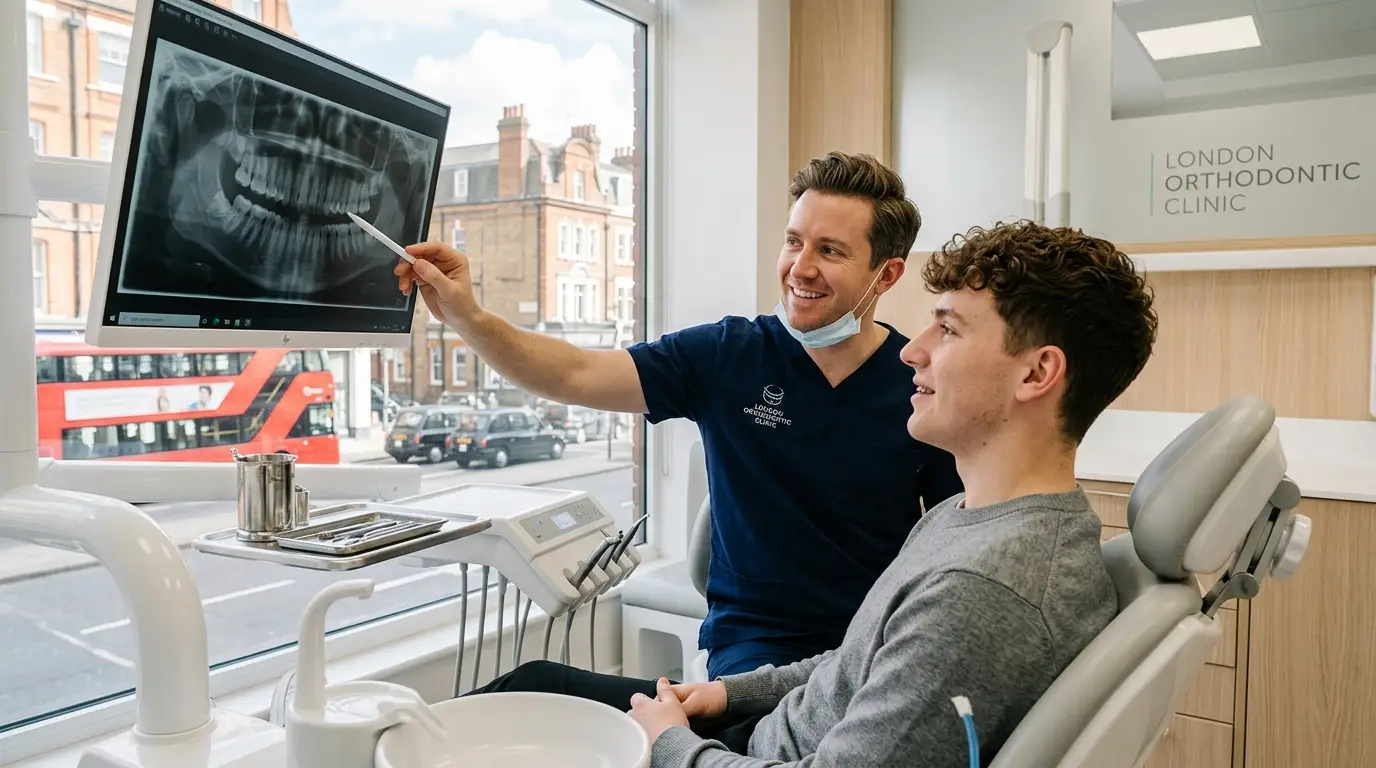
These are the moments when a specialist view can be invaluable—especially because orthodontics often intersects with gum health and restorative dentistry. If you’re looking for a modern orthodontics clinic London patients might use as a reference point for contemporary approaches (think digital scans, discreet options, and treatment planning that factors in long-term stability), it helps to understand what a consultation should cover: not just how teeth look, but how your bite works and how to keep results stable.
Adults: the “quiet” reasons people start orthodontic treatment
Adult orthodontics has surged over the last decade, partly due to clear aligners and more discreet fixed braces. But the bigger driver is that adults are living longer with their natural teeth—and alignment affects how well those teeth hold up.
Orthodontics isn’t just cosmetic in adulthood
Some of the most common adult triggers include:
1. Post-orthodontic relapse
If you had braces years ago and stopped wearing retainers, gradual shifting is normal. The question is whether it’s minor or whether it’s starting to affect hygiene, bite forces, or confidence.
2. Gum issues and “black triangles”
Crowding can make it harder to clean between teeth, increasing inflammation and recession risk. In some cases, aligning teeth can help create more maintainable spacing—though gum health needs to be stable first.
3. Dental work planning
Dentists increasingly recommend orthodontics ahead of crowns, bridges, implants, or smile makeovers. Why? Because placing restorations on misaligned teeth can compromise longevity and aesthetics. A short orthodontic phase can simplify everything that follows.
4. Bite-related wear
If your teeth are wearing unevenly, orthodontics can sometimes redistribute forces so you’re not overloading specific teeth. It’s not a cure-all (night guards and habit management may still be needed), but it can be part of a sensible plan.
Timing matters: don’t wait for pain (especially with jaw symptoms)
A common misconception is that if nothing hurts, nothing is wrong. Orthodontic problems often progress quietly. By the time pain shows up, you may be dealing with tooth fractures, gum recession, or temporomandibular joint (TMJ) strain.
When jaw clicking or headaches should prompt a check
Not every click means you need orthodontics—but if you’re noticing:
- increasing jaw fatigue when chewing,
- morning headaches linked to clenching,
- difficulty finding a comfortable bite position,
…it’s worth having your bite assessed. An orthodontist may work alongside your dentist or a TMJ-focused clinician to determine what’s driving the symptoms and whether alignment changes could help reduce strain.
“Urgent” orthodontic visits: what can’t wait
Orthodontic issues aren’t always emergencies, but certain problems should be dealt with promptly—especially if they affect comfort, hygiene, or treatment progress.
Book sooner rather than later if you have:
- A broken wire or bracket that’s cutting your cheek or gum
- A lost aligner or retainer (time matters—teeth can shift quickly)
- Swelling, persistent sores, or signs of infection around appliances
- A tooth that feels loose or painfully pressured in a way that seems abnormal
Even when it’s not life-threatening, quick action can prevent setbacks that extend treatment.
What to expect from a good consultation in London
Whether you’re 10 or 40, a high-quality orthodontic assessment should feel thorough and tailored—not like a one-size-fits-all pitch.
A thoughtful plan typically includes
A clinician should review your:
- dental and medical history,
- gum health and current restorations,
- bite relationship (how the teeth meet),
- facial and jaw proportions,
- long-term retention strategy (this is where many people are underprepared).
They may use digital scans rather than messy impressions, and they should be transparent about options, timelines, and limitations. Importantly, you should hear about stability: what will keep your teeth in place after treatment, and what maintenance looks like in real life.
The bottom line: the “right time” is usually earlier than you think
If you’re waiting for the perfect moment—after a busy quarter at work, after school exams, after the next holiday—orthodontics can easily become “someday.” But the better approach is simpler: book when you notice change, friction, or uncertainty. A consultation doesn’t lock you into treatment. It gives you clarity.
And clarity is often the most valuable thing an orthodontic clinic can offer—whether you start next month, next year, or decide you’re fine as you are.