

Caring for your child’s oral health begins with simple, consistent choices at home. Teeth need daily attention, even in the earliest years. Gentle brushing, balanced meals, and regular checkups shape the foundation for a lifetime of healthy smiles. Parents who stay proactive often notice fewer dental concerns and smoother appointments over time.
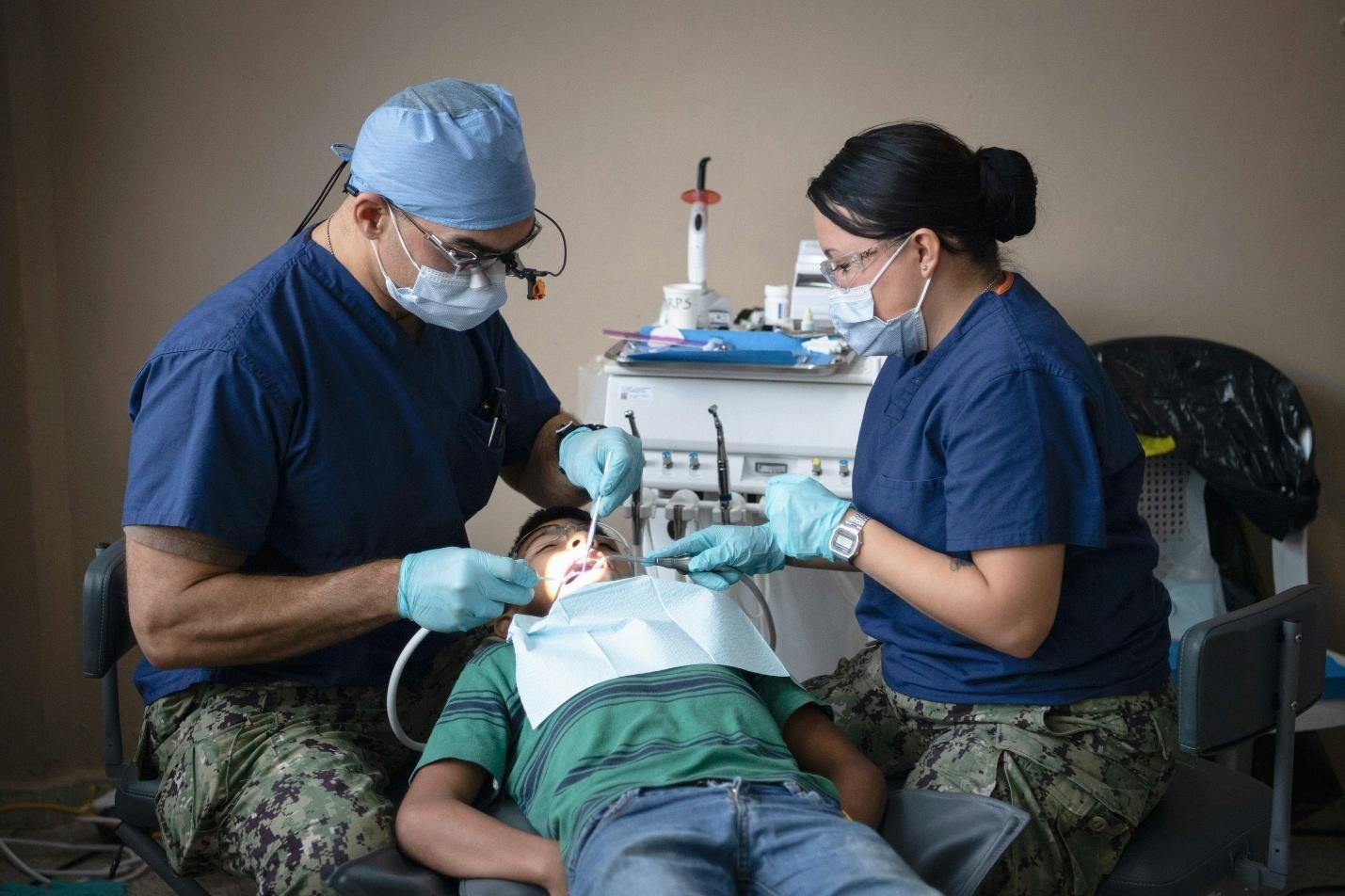
Families in Tribeca have become increasingly attentive to preventive pediatric care, reflecting a growing interest in early wellness and minimally invasive treatment options. Many parents prioritize education, comfort, and long-term planning rather than waiting for problems to appear. That mindset creates a strong partnership between home care and professional guidance.
Why Baby Teeth Matter More Than You Think
Baby teeth may be temporary, but their role is lasting. They help children chew properly, which supports nutrition and steady growth. Clear speech development also depends on the proper positioning of primary teeth.
Healthy baby teeth hold space for permanent teeth. Premature loss due to decay can lead to crowding or alignment issues later on. Discomfort from untreated cavities may affect focus in school and daily activities.
The First Dental Visit Sets the Tone
Early dental visits shape how children view oral care for years to come. Many pediatric professionals recommend scheduling the first appointment around a child’s first birthday or within six months of the first tooth appearing. That early introduction allows dentists to monitor development and guide parents on proper cleaning techniques.
A well-structured first visit focuses on comfort and familiarity. Dentists examine the mouth gently, discuss habits such as thumb-sucking, and answer parental questions. Clear communication helps parents feel informed and confident. People living in the region often work with specialized pediatric providers like Tribeca Dental Studio. Its dedicated pediatric division, Tribeca Dental Studio 4Kids, focuses specifically on children’s dental care, offering a gentle, preventive approach designed to keep young patients comfortable while building strong oral health habits. Parents frequently share that the dentists are patient, attentive, and make each visit feel reassuring for both children and families.
Building a Brushing Routine That Sticks
Consistency is the key to effective brushing. Children benefit from brushing twice a day with a soft-bristled toothbrush and a smear or pea-sized amount of fluoride toothpaste, depending on age. Parents should supervise brushing until children develop the coordination to clean thoroughly on their own.
A simple structure makes routines easier to follow. Brushing after breakfast and before bedtime keeps plaque from building up. Songs, timers, or reward charts can help younger children stay engaged without turning brushing into a struggle. Technique matters just as much as frequency. Small circular motions along the gumline remove plaque effectively. Gentle pressure protects enamel and gums. Guidance and patience from parents reinforce the idea that brushing is a normal part of daily life.
Smart Nutrition Choices for Strong Teeth
Diet plays a major role in oral health. Sugary snacks and acidic drinks weaken enamel and increase the risk of cavities. Sticky foods tend to linger on teeth, giving bacteria more time to produce harmful acids.
Fresh fruits, vegetables, dairy products, and whole grains support strong enamel and balanced nutrition. Cheese and yogurt provide calcium, which helps maintain tooth structure. Water remains one of the best daily choices for hydration and oral health support. Parents who read labels carefully often discover hidden sugars in processed snacks. Awareness makes it easier to make informed choices. Thoughtful meal planning reduces frequent snacking, which limits prolonged acid exposure on teeth.
Teaching Kids to Floss Without the Fuss
Flossing becomes important once teeth begin touching each other. Tight spaces between teeth cannot be cleaned with a toothbrush alone. Introducing floss early prevents plaque buildup in those hard-to-reach areas.
Child-friendly floss picks can make the process simpler for small hands. Parents should guide the floss gently between teeth and curve it along each tooth surface. Calm instruction helps children feel capable rather than overwhelmed. Patience makes a difference during the learning phase. Short, consistent practice sessions build confidence. Over time, flossing becomes another familiar step in a healthy daily routine.
Preventive Treatments That Protect Growing Smiles
Preventive care strengthens teeth during critical stages of development. Professional fluoride treatments reinforce enamel and make it more resistant to decay. Dentists apply fluoride quickly and comfortably during routine visits, offering added protection beyond daily brushing.
Dental sealants provide another layer of defense. Molars often have deep grooves that trap food and bacteria. Sealants cover those grooves with a thin protective coating, lowering the risk of cavities in hard-to-clean areas. This simple step can significantly reduce decay during cavity-prone years. Regular six-month checkups allow dentists to monitor growth, spacing, and bite patterns. Early detection of small concerns keeps treatment straightforward and manageable. Prevention saves time, reduces discomfort, and supports steady oral development.
Addressing Dental Anxiety Early
Dental anxiety often begins with fear of the unknown. Children may feel uncertain about unfamiliar sounds, tools, or sensations. Clear explanations delivered in age-appropriate language help reduce that uncertainty.
Parents play an important role in shaping perception. Calm, positive language encourages cooperation. Avoiding negative descriptions of dental care prevents unnecessary worry. Children tend to mirror the emotional tone set by adults around them. Pediatric dental teams are trained to create welcoming environments designed for young patients.
Partnering With Your Pediatric Dentist
Strong communication between parents and dental providers supports better outcomes. Sharing updates about habits, diet changes, or concerns allows dentists to tailor guidance to each child’s needs. Personalized recommendations make daily care more effective.
Growth patterns vary from child to child. Routine visits give professionals the opportunity to track changes and adjust care plans accordingly. Early discussions about orthodontic development or oral habits provide clarity and direction. Parents who stay engaged and ask questions often feel more confident managing oral care at home.
Healthy oral habits begin with steady guidance and consistent care. Daily brushing, thoughtful nutrition, flossing, and preventive treatments work together to protect growing smiles. Early dental visits establish comfort and familiarity, helping children approach care with confidence instead of hesitation.
Parents who prioritize education and prevention give their children a meaningful advantage. Small routines practiced every day create lasting benefits. A strong partnership between families and pediatric dental professionals supports steady development and long-term oral health. Confident smiles grow from habits formed early and reinforced with care.