

Remote patient monitoring (RPM) has rapidly moved from pilot programs into mainstream care pathways. For patients with chronic conditions—such as diabetes, heart failure, hypertension, and COPD—RPM changes the care model from episodic, clinic-centered visits to continuous, data-driven management. That shift improves early detection of deterioration, supports personalized treatment adjustments, reduces unnecessary hospital visits, and helps clinicians work more efficiently.

Continuous Data, Earlier Intervention
Traditionally, clinicians relied on occasional office measurements and patient self-reports to manage chronic disease. RPM supplies frequent objective measurements—glucose readings, blood pressure, weight, oxygen saturation—that create a richer, longitudinal picture of a patient’s status.
That continuity enables earlier detection of trends indicating decompensation (for example, gradual weight gain in heart failure or persistent hypertension despite medication), allowing clinicians to intervene before a crisis develops. Early intervention lowers emergency department visits and hospital readmissions.
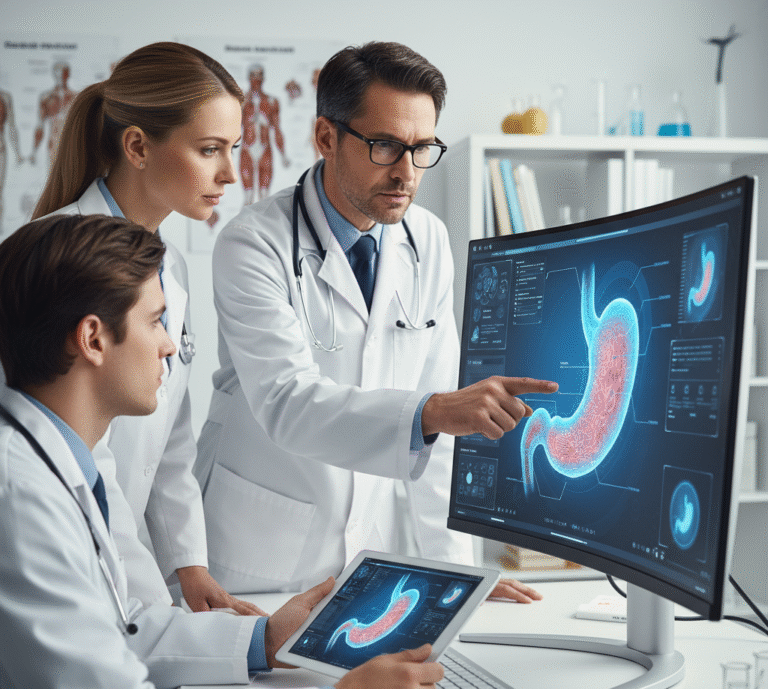
When RPM feeds directly into the electronic health record (EHR), clinicians see current device data alongside medication lists, lab trends, and past encounters—so decisions are faster and better informed.
Personalization and Patient Engagement
RPM platforms make it easier to tailor care plans to an individual’s data patterns. Alerts and threshold rules can be tuned: a patient with labile blood pressure might have closer monitoring and automatic prompts to adjust diuretics, while someone with diabetes could receive insulin titration guidance based on glucose trends.
Beyond clinician-side benefits, RPM tools increase patient engagement. Many platforms include patient apps that display trends, deliver educational nudges, and prompt adherence. When patients can see how daily habits affect their metrics, motivation for behavior change increases—small wins stack into improved long-term control.
Workforce Efficiency with Integrated Workflows
RPM succeeds when it integrates into clinical workflows rather than adding parallel tasks. Modern RPM systems are built to connect to the practice’s core systems—scheduling, billing, and the EHR—so data flows into the places clinicians already use.
Integration reduces duplication, limits data-entry errors, and helps teams act on alerts without chasing multiple platforms. This is where practice-level technology matters: solutions such as Medical Practice Management Software that include RPM modules or connectors let practices manage patient panels, billing codes, and device inventories in one place.
By streamlining administrative tasks, staff can spend more time on high-value clinical activity, such as patient education or complex case management.
Supporting Safe, Compliant Care: Credentialing and Clinical Governance
When RPM expands, many providers partner with third-party clinical teams or vendors for monitoring and outreach. Ensuring those external clinicians are properly credentialed and authorized is critical.
Medical Credentialing Services play an important role by verifying qualifications, privileging remote clinicians, and maintaining documentation required for payer contracts and audits. Strong credentialing reduces legal risk, maintains clinical quality, and supports scalable RPM programs across multi-site practices.
Better Documentation and Billing
Accurate, timely documentation is essential for quality care and proper reimbursement. RPM encounters—data reviews, remote assessments, and device management—require documentation that links remote measures to clinical decisions.
Tight integration between RPM platforms and EHR Software automates the transfer of device data into encounter notes and billing workflows, reducing manual work and the chance of missing revenue opportunities.
When RPM data is visible in the chart, clinicians also have a defensible clinical record showing why specific treatment changes were made.
Enhancing Clinician Efficiency with AI Tools
AI is being applied across RPM to prioritize alerts, extract signal from noisy device data, and help draft clinical documentation. Tools described as ai medical scribe assist clinicians by converting notes, summarizing trends, and creating draft encounter notes from device streams and telehealth conversations.
When used properly, these AI scribes reduce documentation time, improve note completeness, and free clinicians to spend more time on direct patient care.
It’s important to use AI tools with transparency and oversight: clinicians must review and sign all AI-generated content, and organizations should maintain governance policies to validate outputs and protect patient privacy.
CureMD: Leading the Future of Remote Patient Monitoring
As an industry leader in healthcare technology, CureMD has been at the forefront of integrating Remote Patient Monitoring with its robust ecosystem of EHR Software, Medical Practice Management Software, and Medical Credentialing Services.
CureMD’s comprehensive digital health platform empowers medical practices to seamlessly incorporate RPM into their daily workflows. The system enables clinicians to monitor patient vitals in real time, receive intelligent alerts, and document care automatically through built-in AI assistance tools like ai scribe medical.
By combining RPM data with advanced analytics and its award-winning EHR, CureMD allows providers to gain a holistic view of patient health—helping them detect early warning signs and intervene proactively. Its AI-powered documentation and billing tools also ensure that every RPM encounter is accurately captured, compliant, and reimbursable.
Additionally, CureMD’s integrated Medical Credentialing Services make it easier for practices to onboard new providers and maintain compliance with payer and regulatory requirements, ensuring care delivery remains both efficient and secure.
Through its commitment to innovation, interoperability, and clinician empowerment, CureMD continues to set the benchmark for modern digital healthcare—making RPM not just a technology feature, but a standard of care for chronic disease management.
Practical Steps for Practices Starting RPM
- Define the target population (e.g., heart failure with recent admission, poorly controlled diabetes).
- Choose devices validated for clinical accuracy and patient usability.
- Select a platform that integrates with your EHR and practice management system.
- Establish credentialing and governance for any outsourced monitoring staff.
- Create clear escalation protocols and patient-education materials.
- Pilot, measure outcomes (readmissions, disease-specific metrics, patient satisfaction), then iterate.
Conclusion
Remote patient monitoring is transforming chronic disease management by shifting care from reactive to proactive, enabling personalization, and improving both clinical and operational outcomes.
When RPM is integrated into a practice’s technology stack—including EHR Software and Medical Practice Management Software—and supported by proper credentialing and intelligent documentation tools like ai scribe medical, it becomes a durable part of high-quality chronic care.
With industry leaders such as CureMD paving the way through innovation, interoperability, and AI-driven efficiency, the future of chronic disease management looks smarter, more connected, and more patient-centered than ever before.
Source: https://drginasam.net/
Author Bio: Nathan Bradshaw
Nathan Bradshaw is a seasoned Healthcare IT and Digital Marketing professional with over 10 years of experience in EHR, RCM, Practice Management, and Digital Health strategy. He helps healthcare organizations optimize online visibility, streamline operations, and accelerate growth through data-driven marketing and innovative health tech solutions.




One Comment