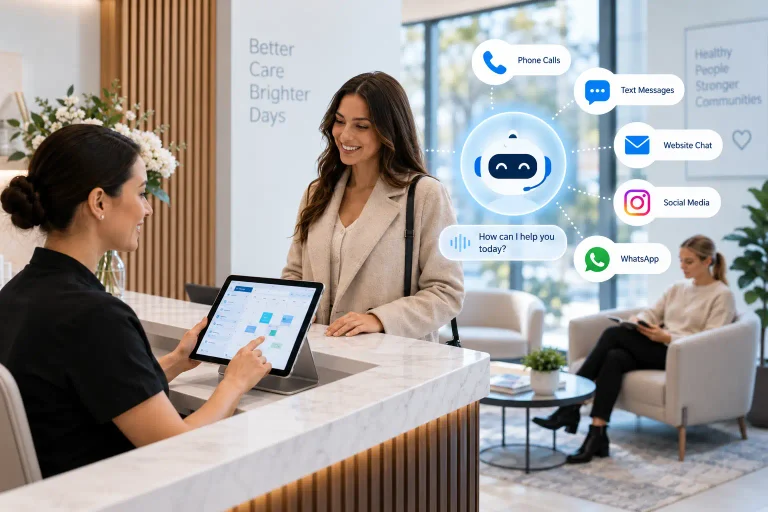
Staffing shortages have reached a critical point across the United States. More than 90% of nursing homes and assisted living facilities are currently struggling to maintain adequate staffing levels.
The challenge is growing rapidly. According to the U.S. Census Bureau, the number of Americans over 65 is expected to reach 95 million by 2060—almost twice today’s figure. This surge in the senior population will dramatically increase the demand for care services. Instead of becoming a promising growth opportunity, the sector is facing a workforce crisis. Staff turnover in senior living facilities has climbed to around 33%, while skilled nursing providers report annual turnover rates of 50 to 8%. Some facilities have even experienced spikes as high as 300%.
Constant staff turnover disrupts daily operations and directly affects the quality of resident care. Replacing experienced professionals has become increasingly difficult, with more than 1.2 million healthcare and social assistance positions currently unfilled nationwide.

To overcome these challenges, facilities must focus on designing staffing systems that support both employees and residents. A well-structured approach can reduce turnover, improve quality of care, and strengthen overall financial stability.
Understand the Core Needs of Staff and Residents

Staff and residents’ needs are deeply connected. This fundamental truth forms the foundation of effective staffing systems. Better resident care happens when team members get the support they need.
Why staffing systems must serve both groups
Research proves the connection between staff satisfaction and resident outcomes. Studies show that employee satisfaction relates to fewer resident injuries and better resident satisfaction. Resident satisfaction with staff care positively affects all aspects of their experience.
Facilities with higher staff-to-resident ratios allow caregivers to deliver more detailed and attentive care. This leads to better health outcomes for residents. Many facilities don’t deal very well with keeping these ideal ratios because of money issues and high turnover rates.
The best facilities understand that better resident care comes from supporting staff needs. A supportive work environment becomes a vital part as healthcare costs rise and Medicaid reimbursement rates stay flat, limiting wage increases.
Common pain points in care facilities
Today’s care environment presents major challenges for both staff and residents:
For Staff:
- Burnout and stress (49% of senior care professionals ranked feeling stressed and burnt out as their biggest problem)
- High turnover rates (53% in U.S. nursing homes in 2021, double that experienced by hospitals)
- Not enough staff during off-peak hours, especially overnight
- Poor training and support
For Residents:
- Slow response times due to staff shortages
- Uneven care delivery affecting health and safety
- Less individual attention (75% of assisted living facilities reported difficulty filling overnight shifts)
- Problems moving between providers or care settings
These challenges create a cycle affecting both groups. Staff members connect their stressful work environment with lower quality resident care when they feel rushed and undervalued. Staff members follow care procedures better when they notice positive work conditions and lower stress levels.
Your staffing system needs an all-encompassing approach that supports both team members and residents to address these connected needs.
Designing a Flexible and Scalable Staffing System
Healthcare facilities need agile staffing systems that work well today. A strategic approach to flexible staffing helps facilities adapt to changing demands, handle seasonal challenges, and manage unexpected shortages.
Adapting to changing resident needs
Resident acuity levels keep changing. Staff systems must scale up or down to match these changes. The average assisted living resident takes nine different medications and needs more help with daily activities than before. Staff managers should check if their team can handle residents’ changing acuity levels. They might need to hire new people with special certifications or skills.
Research links nursing home staffing levels directly to quality outcomes. Facilities should match their registered nurse (RN), certified nursing assistant (CNA), and total staffing numbers to resident case mix. This approach will give a safe nurse-to-patient ratio that keeps residents protected.
Handling last-minute call-outs efficiently
Healthcare settings face problems with last-minute absences. Patient care quality drops and team spirit suffers when staff members can’t make their shifts. These sudden gaps create many operational issues that need quick fixes.
Here’s what helps with call-outs:
- On-call systems with clear shift assignment policies
- Automated notifications that fill 85% of open shifts without managers stepping in
- Ready-to-work substitute pools with pre-qualified staff
- Cross-training programs that let staff help where they’re needed most
Using medical staffing solutions for surge support
Peak times hit healthcare facilities hard during flu season or public health emergencies. Extra staff becomes essential. Knowing how to adjust staffing levels quickly is vital in today’s unpredictable healthcare world.
Strategic collaborations with trusted medical staffing agencies that focus on healthcare work well for surge support. Choosing the right healthcare staffing option allows facilities to respond faster to sudden increases in demand while maintaining consistent care quality. These partnerships provide access to temporary nurses and other professionals who support the core team during busy periods, special projects, or staff shortages.
Crisis staffing solutions can also help facilities bring in qualified healthcare professionals quickly during emergencies. Flexible systems make it possible to maintain the right number of staff during challenging times without compromising the quality of resident care.]
Leveraging Technology to Improve Staffing Outcomes
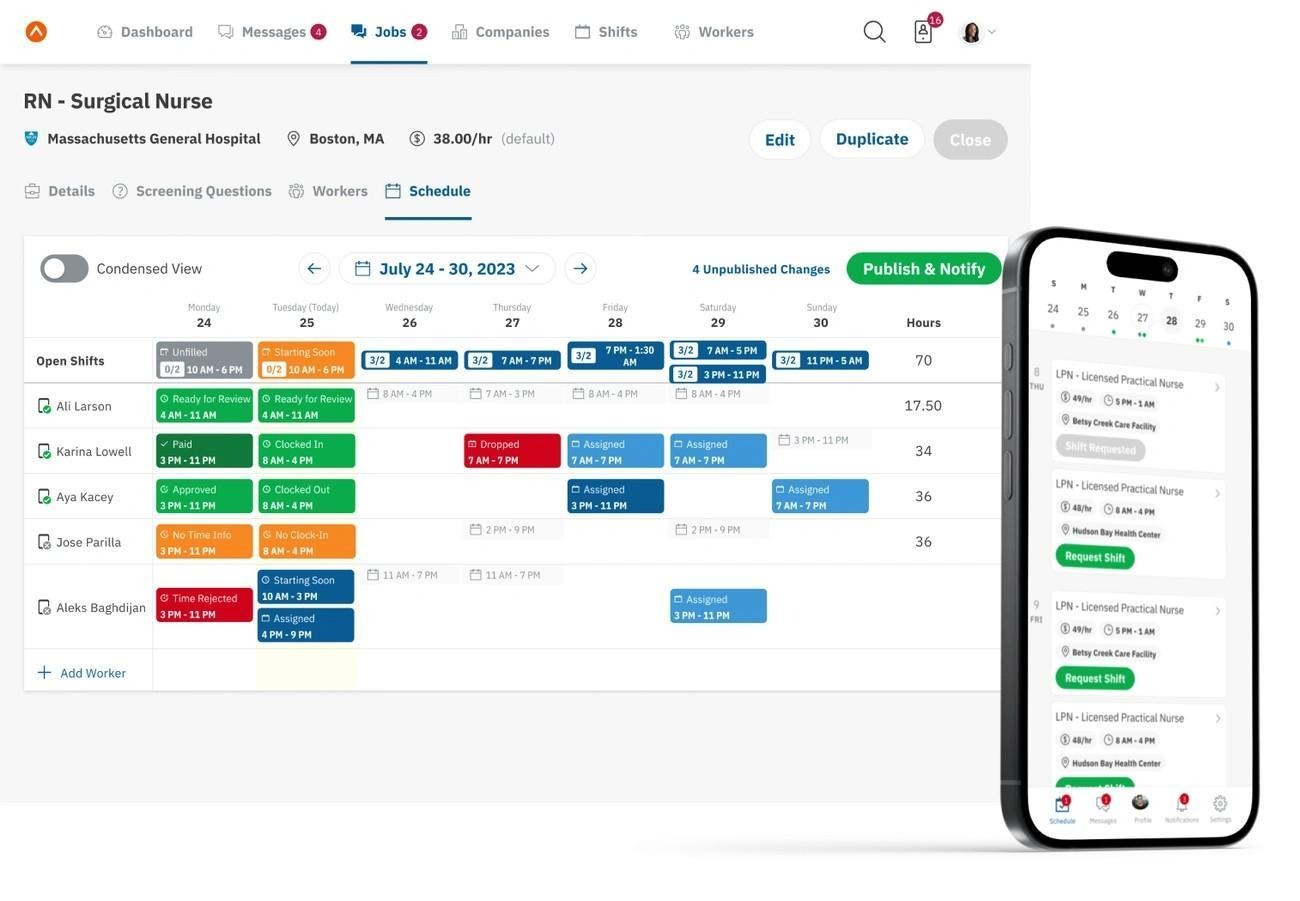
Technology is reshaping how healthcare facilities manage staff. Digital tools make it easier to plan schedules, predict needs, and keep employees engaged.
Below are a few key ways technology can strengthen your staffing system:
- Real-time scheduling and tracking: Dashboards show staffing levels and patient flow in real time, helping managers adjust quickly. Location-based sign-ins and iBeacon tools improve accuracy and accountability.
- Predicting staffing gaps with data: Analytics use past trends to forecast demand and prevent shortages. Facilities like Tower Health saved millions and reduced turnover using predictive insights.
- Mobile tools for staff engagement: Apps let workers manage schedules, claim shifts, and chat with supervisors on the go. AI features alert available staff to fill open shifts instantly.
- Cloud-based communication platforms: Centralized systems simplify team coordination, allowing instant updates on shift changes and reducing confusion during busy periods.
Reducing Turnover Through Better System Design
Staff turnover costs healthcare facilities heavily and affects both their bottom line and quality of care. Healthcare organizations spend between $44,000 and $88,000 to replace just one nurse. This makes keeping our existing staff a top priority.
Streamlining onboarding and training
A well-laid-out onboarding process helps keep staff longer. Studies show that 82% of employees stick with companies that provide strong onboarding experiences. Organizations need orientation programs that go beyond simple basics to help new employees settle in smoothly. Of course, having mentorship programs creates support systems that reduce early departures.
On top of that, it helps to have role-specific training available on mobile devices so staff can apply their skills right away.
Creating career paths within the system
About 32% of nurses think about leaving direct patient care. The biggest problem is they don’t see enough chances to move up. Healthcare facilities can curb this trend by offering:
- Continuing education programs and formal mentoring
- Leadership development paths for future managers
- Money for advanced degrees or certifications
Studies confirm that staff who receive ongoing job education are happier at work. When employees can’t grow professionally, 51.4% of nurses leave their positions.
Improving job satisfaction through smart scheduling
Self-scheduling leads to fewer sick days and less turnover than fixed schedules. But making it work takes careful planning. Flexible scheduling enables staff to request shifts that match their priorities, while still meeting operational needs. Predictable schedules let staff balance their work and personal lives better, which reduces burnout and helps keep them longer.
Conclusion
Designing a staffing system that supports both employees and residents is more than a management goal. It represents a commitment to care, trust, and long-term stability. Facilities that invest in balanced systems see stronger teams, more consistent care, and happier communities. When staff feel valued, residents experience a higher quality of life, and the organization becomes more resilient in the face of change.
A thoughtful staffing strategy should grow alongside the people it serves. Combining flexibility, modern technology, and ongoing professional development allows facilities to respond confidently to the rising demand for quality care. Every improvement in staffing structure is an investment in human connection, creating an environment where healthcare professionals can thrive and residents can feel truly cared for.
Source: Dr Gina Sam MD