

After an accident, most of the attention goes to the injuries you can see right away. Pain, bruising, and limited movement tend to take over. At the same time, the body may be dealing with quieter changes that build more slowly and are easier to miss.
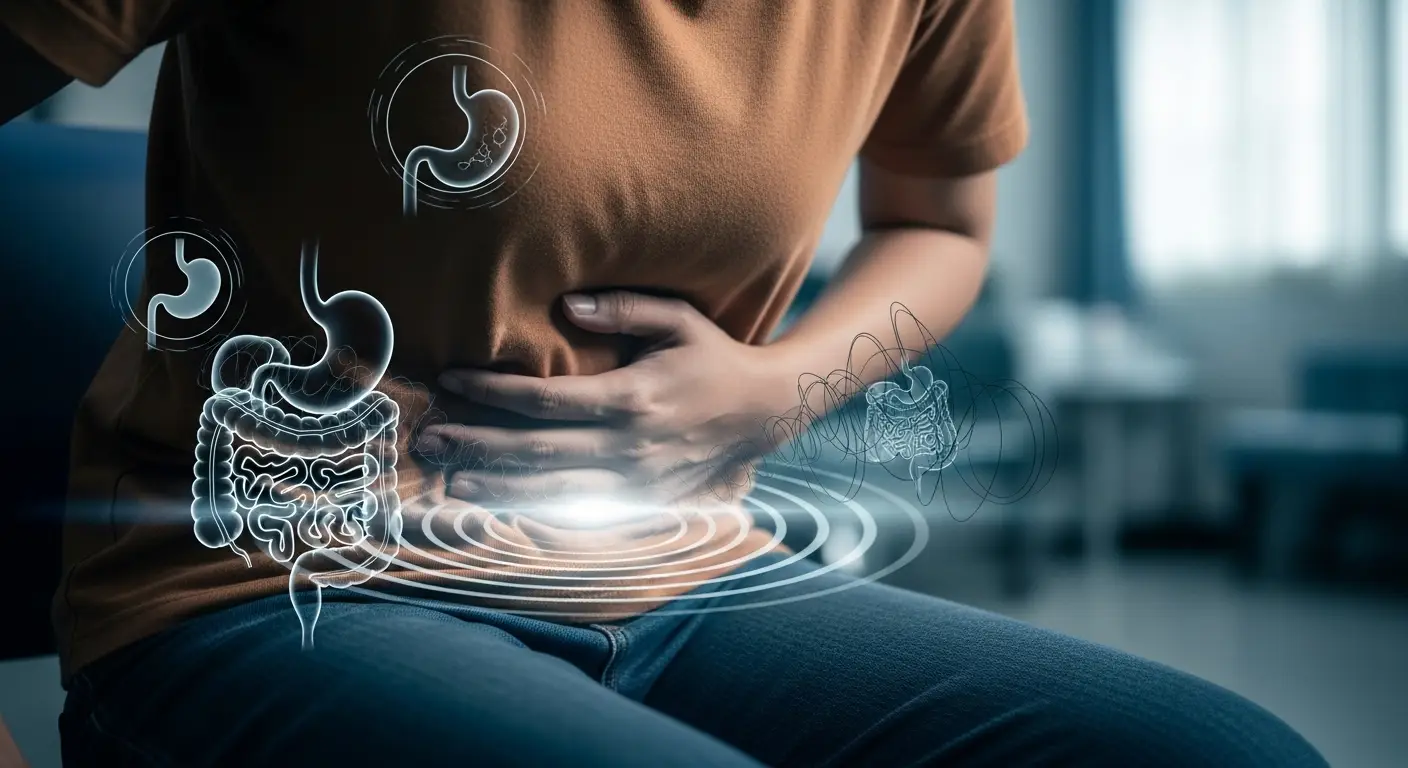
Stress is one of the body’s most common responses to physical trauma, and it does not always fade once the immediate danger has passed. It can linger in the background and affect how different systems function each day. The digestive system is especially sensitive to that shift, which is why symptoms can appear in unexpected or difficult-to-explain ways.
Understanding the Gut-Brain Connection
The digestive system and the brain are constantly communicating. Nerves, hormones, and chemical signals work together to regulate how food moves through the body, how comfortably digestion happens, and how the gut responds to changes in the nervous system.
When the body feels calm and regulated, digestion usually works as it should. The stomach breaks down food efficiently, and the intestines maintain a steady rhythm. Stress can interrupt that balance. For some people, digestion slows down. For others, it becomes more sensitive or unpredictable.
That is why stress often feels physical. The gut reacts quickly to what is happening in the nervous system, even when that stress is not immediately obvious.
How the Body Responds to Stress After an Accident
An accident can place the body in a heightened state almost instantly. The nervous system shifts into a protective stress response. Heart rate rises, muscles tense, and energy is redirected toward immediate survival. Digestion becomes less of a priority.
That response does not always switch off right away. Stress hormones can remain elevated longer than expected, keeping the body in a reactive state and disrupting normal digestive function. As a result, the stomach may empty more slowly, the intestines may become more sensitive, and digestion may become irregular.
These changes do not always appear right away. In many cases, they begin quietly and become more noticeable over time.
Common Digestive Symptoms That May Appear Later
Digestive symptoms related to stress often develop gradually. Many people do not notice them until days or even weeks after an accident, which makes the connection easier to overlook.
Bloating is common. So is abdominal discomfort that comes and goes without a clear food trigger. Some people notice constipation, while others experience urgency or looser stools. Nausea, a reduced appetite, or the feeling that digestion simply feels off can also develop.
For people with existing digestive concerns, stress can make symptoms harder to manage. What once felt predictable may suddenly feel more intense or disruptive.
Why These Symptoms Are Often Overlooked
It is natural to focus on injuries that are visible or immediately painful. Digestive symptoms may feel less urgent, especially when they develop slowly. Many people assume they are temporary or unrelated.
There is often a delay between the accident and the onset of digestive issues. That gap can make it difficult to connect cause and effect. Changes in appetite, bowel habits, or abdominal comfort may be blamed on diet, routine disruptions, or everyday stress.
Meanwhile, the body may still be operating in a heightened state. Even without obvious outward signs, that ongoing stress response can make it harder for the digestive system to settle down.
How Location and Circumstances Can Influence Post-Accident Stress
Stress after an accident is not shaped solely by the body. Daily responsibilities, access to care, and practical disruptions can all affect how long that stress continues.
In fast-paced urban areas such as New York, recovery can feel harder to manage because of demanding schedules and limited downtime. In parts of the Midwest, particularly in Illinois, missed work, follow-up appointments, and transportation issues can create a different kind of strain. In situations like these, some people turn to a Waukegan lawyer for bike injury compensation to help ease practical pressures that may be adding to their stress.
States such as California, Texas, and Florida come with their own challenges, from long commutes to uneven access to specialists. The details vary, but the effect can be similar. When outside stress keeps building, the digestive system may take longer to return to balance.
Supporting Digestive Health During Recovery
Helping the digestive system recover often starts with calming the body’s stress response. As the nervous system begins to settle, digestion can become steadier and more predictable.
Simple habits can help. Eating on a regular schedule, staying hydrated, and choosing foods that are easier to digest may reduce extra strain on the system. Gentle movement, such as short walks, can also support digestion without overwhelming the body.
Stress management matters here. Deep breathing, mindfulness, and consistent rest can help reduce the signals that interfere with digestion. Research on the gut-brain connection helps explain why stress relief can make a meaningful difference in digestive symptoms.
Small, steady adjustments are often more helpful than dramatic changes. A manageable routine usually gives the body the best chance to recover.
When Symptoms Persist: Listening to Your Body
When digestive symptoms continue or begin to interfere with daily life, it is worth paying closer attention. Ongoing discomfort can be a sign that the body is still responding to underlying stress.
Tracking patterns can help. Noticing when symptoms appear, how long they last, and what seems to make them worse or better can offer useful insight. Guidance like proven stress-tracking tips for better digestion can make it easier to connect symptoms with possible triggers.
If symptoms continue, medical evaluation may be appropriate. Addressing these changes early can help prevent them from becoming more disruptive over time.
Conclusion
Stress after an accident can affect far more than mood or energy. It can change how the digestive system functions, sometimes in subtle ways that are easy to miss at first. Bloating, nausea, irregular bowel habits, and appetite changes may all reflect the body’s ongoing response to physical trauma.
Recognizing that connection can make those symptoms easier to understand and address. When stress is managed and digestive changes are taken seriously, the body has a better chance of returning to balance.