The first thing most people do when they face a digestive issue is get an appointment with their primary care doctor. That’s an instinctive step, as a primary care provider (PCP) is usually the main doctor for most American families.
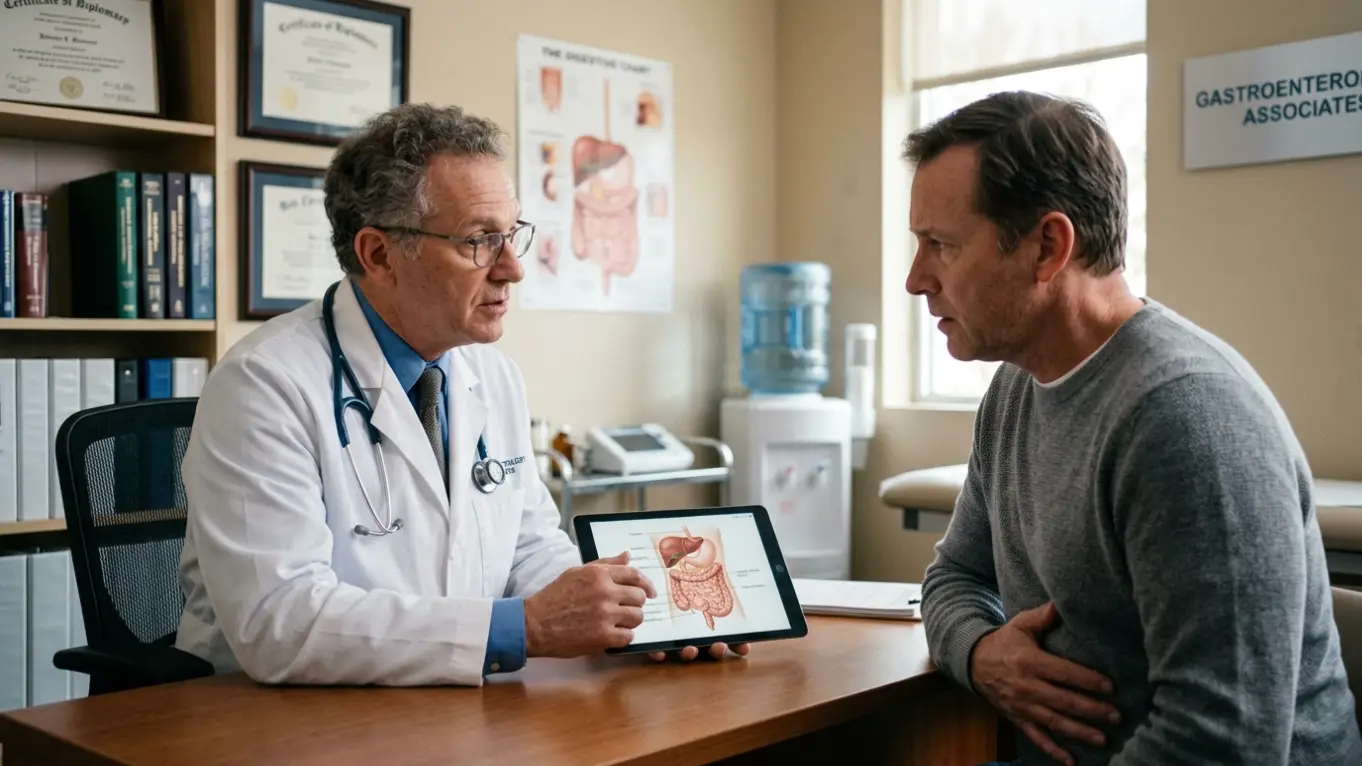
Whatever the health problem people face, the first name that comes to their mind is that of their PCP. The decision is not wrong as these doctors are great at treating common health problems, helping maintain overall health, and handling routine checkups. Another great thing about PCPs is that, as they are often family doctors, they are familiar with your medical history.
However, certain situations require patients to see a specialist instead of a primary care doctor. The section below will help you understand when seeing a gastroenterologist is wiser than visiting a PCP to seek treatment for your digestive issues.
Who Is a Gastroenterologist?
Gastroenterologists are medical doctors specializing in the diagnosis and treatment of gastrointestinal diseases. In other words, these medical professionals are qualified to treat all kinds of disorders affecting the organs of the digestive system. So, they are the best people to treat and manage medical conditions affecting your stomach, esophagus, pancreas, gallbladder, liver, bile ducts, and intestines.
To be a gastroenterologist, doctors must first practice as general physicians upon obtaining their medical school degree (MBBS and/or MD). After completing three years as medical residents, where they are required to treat all kinds of health disorders, these young doctors need to enroll for another three years of study to complete the Gastroenterology Fellowship.
The certification medical practitioners obtain after completing their Gastroenterology Fellowship designates them as gastroenterologists. Here, you must know that a gastroenterologist has the right to carry out certain medical procedures and diagnostic tests that a primary care doctor is not allowed to.
When Should You Visit a Gastroenterologist?
Most doctors can treat occasional acid reflux or stomach upset. However, if these issues are persistent or keep coming back, it would be a good decision to see a specialist, i.e., a gastroenterologist. Here are some symptoms that require you to get yourself checked by experienced gastroenterology specialists:
Regular Episodes of Gas and Bloating: If you feel bloated every time you eat a large meal, it’s not normal. Regular episodes of gas and bloating require specialized care, irrespective of whether they occur with pain or without it. The problem might be a result of lactose intolerance, IBS (irritable bowel syndrome), or celiac disease.
Severe or Persistent Abdominal Pain: Pain in your abdomen can indicate a series of mild and serious health conditions. Evaluation under the supervision of a gastroenterologist enables accurate and quick diagnosis, and subsequent successful treatment.
Frequent Acid Reflux: Humans have fallen prey to an extremely bad habit of gulping antacids without consulting a doctor. Do you need to take antacids twice or more every week to manage acid reflux or heartburn? If yes, it is probably a sign of gastroesophageal disease, or GERD. GERD is a chronic condition that forces bile or stomach acids to flow back into the patient’s esophagus. It can have different serious underlying causes, including hiatal hernia and connective tissue disorders, such as scleroderma. These are diseases that only a gastroenterologist can treat.
If you leave GERD untreated, the constant irritation caused by backwashed stomach acid can cause inflammation of the esophagus and ulcers. What’s more concerning is that untreated GERD can result in precancerous changes in the esophagus.
Chronic Diarrhea or Constipation: Get yourself evaluated by an experienced gastroenterologist if you have chronic constipation or diarrhea.
You should be particularly concerned if there have been changes in your bowel habits in the past few weeks or months. The problem may be a sign of functional disorder of the digestive tract, such as irritable bowel syndrome. You may also experience the change due to intestinal obstructions, small bacterial overgrowth (SIBO), or thyroid problems. Experienced gastroenterology specialists treat these health problems with a combination of medicines and lifestyle modifications.
Sudden Weight Loss Without Trying: Have you lost a significant amount of body weight within a very short period? If yes, consulting a gastroenterologist may help. You can also see your primary care doctor. If the PCP finds that the problem has its root in your digestive system, he will refer you to a gastroenterologist for further checkup.
Digestive issues that are known to trigger rapid weight loss include malabsorption of nutrients, ulcers, and Crohn’s disease. Moreover, the problem can also be triggered by gastrointestinal cancers such as liver cancer, stomach cancer, colorectal cancer, esophageal cancer, and pancreatic cancer. Visiting a gastroenterologist at the right time may result in early diagnosis of these cancers and help treatments to produce curative outcomes.
Blood in Your Stool: Black, tarry stool and bright red blood coming out of your annus when passing stool, both should be considered as blood in your stool. The first one typically indicates problems in the upper digestive tract, while the second one signals issues in the lower part of the digestive tract. Some of the common causes of such bleeding include ulcer, IBD (inflammatory bowel disease), annal fissures, hemorrhoids, and last but not least colon cancer.
Ideally, you should see a gastroenterologist when the first episode of bleeding occurs. It will enable early diagnosis of the disease and offer a great treatment outcome.
Conclusion
The above discussion must have helped you understand when the right time is to consult a gastroenterologist. Make sure the gastroenterologist you visit is an experienced professional. So, read online reviews when deciding which specialist to visit.