Ever felt that churning in your stomach before a big meeting? You’re not alone. In fact, approximately 62% of the population reports at least one gastrointestinal symptom, and stress is a common trigger for bloating, cramps, or urgent bathroom trips.
Functional gastrointestinal disorders affect a large number of people, with women often more impacted than men. The good news is that by actively managing stress and tracking how your body reacts, you can unlock calmer digestion.
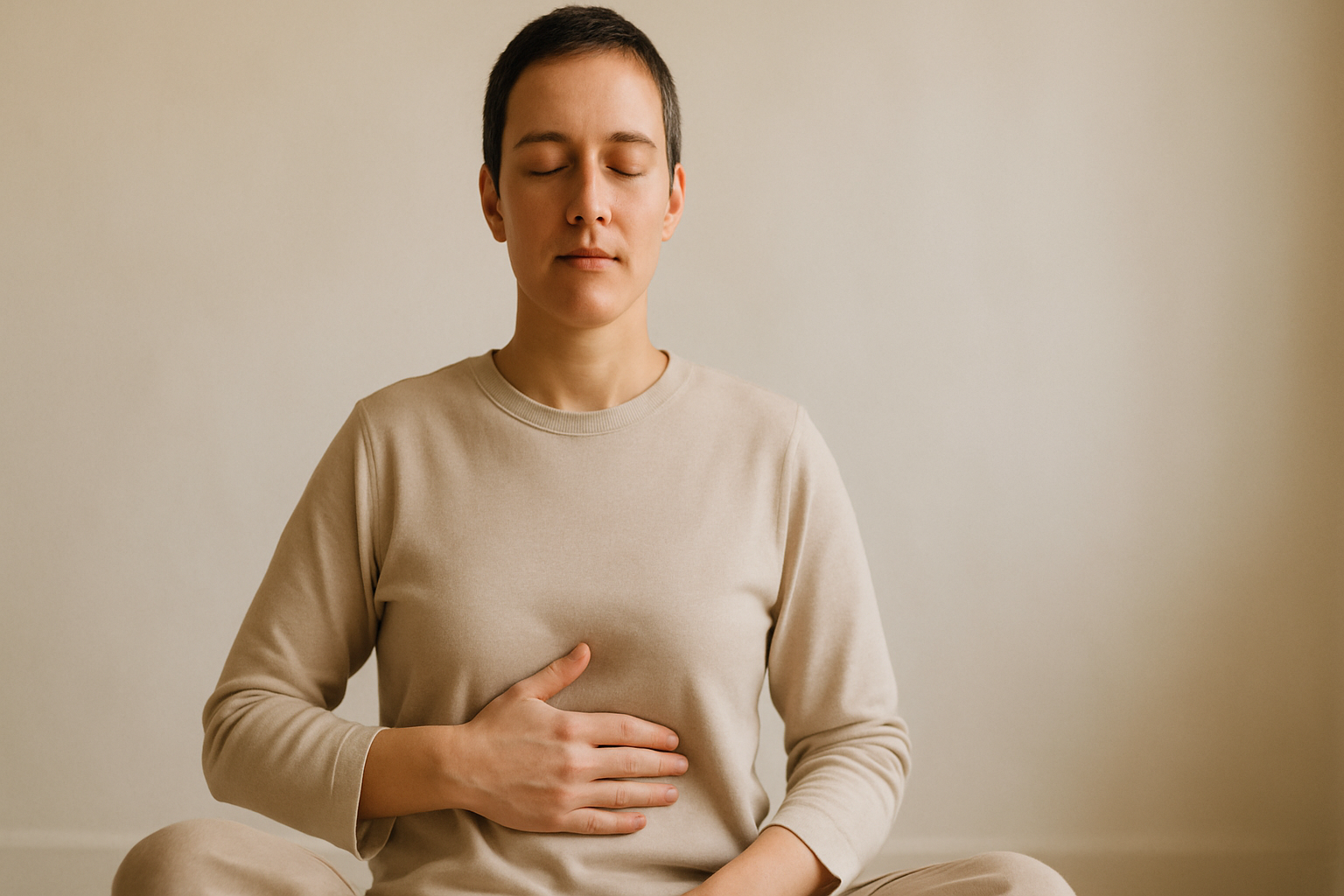
This guide explains the gut-brain link and offers three practical ways to manage tension for better gut health.
Understanding the Gut–Brain Axis
Your digestive tract has its own “second brain,” known as the enteric nervous system (ENS), which contains more than 100 million neurons. It constantly communicates with your central nervous system through the vagus nerve and chemical messengers.
Research shows that high levels of anxiety can significantly predict the variance in gastrointestinal symptoms, highlighting this powerful connection. When you feel stressed, your body releases cortisol and adrenaline, which can alter gut motility, change stomach acid secretion, and disrupt your gut microbiome.
Understanding this is the first step; the next is monitoring how your personal stress levels fluctuate. Modern technology offers passive ways to track stress indicators; for example, wearables such as Tranquil’s accurate GPS tracker for the elderly monitor biometric data that can help correlate high-stress days with digestive issues.
| Key Insight: Your gut has its own ‘second brain.’ When you feel stressed, it sends distress signals that can directly disrupt digestion, leading to symptoms like bloating and cramps. Managing stress calms this conversation. |
Tip 1: Manage Stress with Mindful Movement
Regular physical activity is a powerful booster for digestive health. Movement helps lower cortisol levels while stimulating peristalsis, the rhythmic muscle contractions that propel food through your digestive tract. People who engage in regular moderate exercise often experience fewer digestive flare-ups.
Try this:
- Take a brisk 30-minute walk after meals to aid digestion.
- Practice gentle yoga twists to help massage the abdominal organs.
- Incorporate core-strengthening moves like planks or the bird-dog pose to improve overall gut tone.
| Pro Tip: Even a brisk 30-minute walk after meals can significantly lower stress hormones and stimulate digestion. Consistency is more important than intensity for building a resilient gut. |
Tip 2: Calm Your System with Breath and Mindfulness
Simple breathing exercises can shift your nervous system from a “fight-or-flight” state to a “rest-and-digest” mode. Slow, diaphragmatic breathing boosts “vagal tone,” which is crucial for regulating digestion.
Similarly, mindfulness meditation can lower activity in the brain’s stress center, which in turn helps ease gut inflammation.
A Breathing Exercise to Try (4-7-8 Method):
- Sit or lie down comfortably and place one hand on your belly.
- Inhale slowly through your nose for a count of 4, feeling your belly rise.
- Hold your breath for a count of 7.
- Exhale completely through pursed lips for a count of 8.
- Repeat this cycle four times, aiming to practice twice daily.
Simple Mindfulness Practices:
- Perform a 5-minute body scan while lying in bed, noticing sensations without judgment.
- Practice mindful eating by observing your food’s color, aroma, and texture before the first bite.
Tip 3: Track Your Triggers with a Journal
Self-tracking is essential for spotting patterns, fine-tuning your habits, and gathering valuable data. Keeping a journal helps you connect the dots between your stress levels, your diet, and your digestive symptoms.
How to Keep a Food & Symptom Journal:
Each day, log the time of your meal, what you ate, a stress rating from 1 to 5, and any symptoms you experienced. After about a week, you can review your entries to look for recurring patterns, such as “Spaghetti dinner after a tense workday consistently leads to cramps.”
This information empowers you to make informed changes and provides clear data to share with a healthcare professional if needed. If you notice persistent issues like unintentional weight loss or nightly pain, seeing a clinician is important. Regular screenings are also recommended for adults over 45.
| Important: While journaling is powerful, it doesn’t replace medical advice. If you experience persistent pain, weight loss, or other severe symptoms, consult a healthcare professional to rule out underlying conditions. |
Integrating Techniques: A 7-Day Starter Plan
Here is a sample plan to help you integrate these practices into your week. Feel free to adjust the activities to fit your mobility levels and daily schedule.
| Day | Morning | Midday | Evening | Tracker Note |
|---|---|---|---|---|
| 1 | 5-min breathing | 20-min walk | Journal dinner & mood | Record baseline feelings |
| 2 | Yoga twists | Mindful lunch | Body scan | Rate stress 1-5 |
| 3 | Breathing + stretch | Walk or errand | Log symptoms | Compare stress trend |
| 4 | Mindful breakfast | 10-min core workout | Hot bath | Record sleep quality |
| 5 | Breathing drill | Yoga | Journal + gratitude | Check bowel pattern |
| 6 | Walk with a friend | Breathing snack break | Screen-free dinner | Identify potential triggers |
| 7 | Gentle stretch | Check in on feelings | Review week & plan | Share results if needed |
The Path Forward
Your gut and mind are in constant conversation. By easing stress through movement, breath, and mindfulness, you can create a calmer digestive system. Start small by picking one technique to try today and logging your baseline.
If your discomfort lingers or worsens, bring your data to a trusted gastroenterologist or registered dietitian. Your future self and your stomach will thank you for taking these proactive steps toward better health.