Personalized aesthetic treatments are no longer about one-size-fits-all solutions. Today, every plan is shaped around a person’s age, lifestyle, and long-term goals.
Many individuals opt for non-surgical treatments like fillers, skin tightening, and laser resurfacing to maintain a youthful appearance. Others explore more comprehensive procedures, including a facelift or eyelid surgery, when they want to address deeper signs of facial aging.
The International Society of Aesthetic Plastic Surgery reports rising demand for surgical and non-surgical procedures across all age groups. In 2023, the total number of surgical and non-surgical treatments grew by 3.4 percent, reaching 34.9 million.
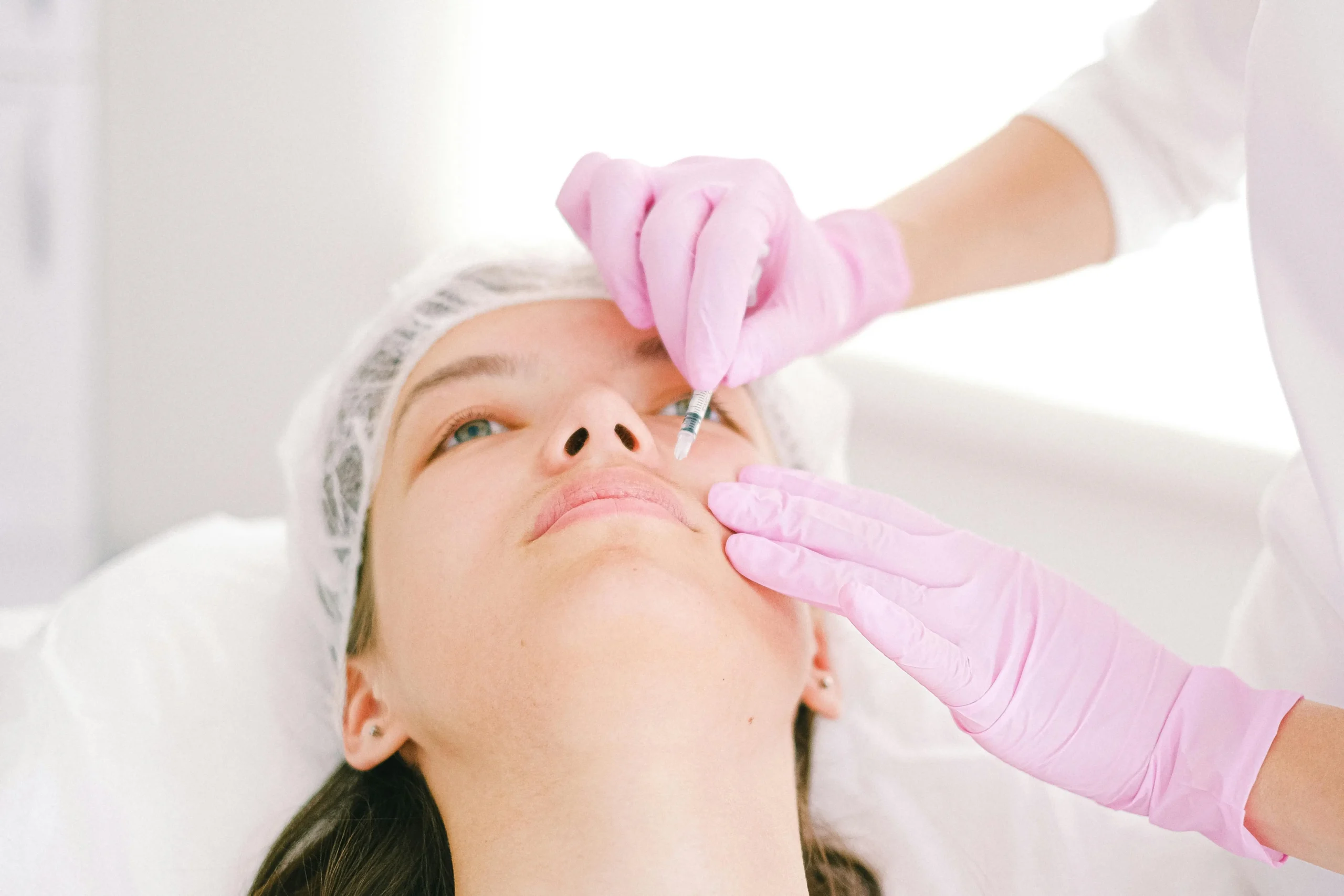
Providers now design treatment paths that adapt over time, ensuring results remain balanced, natural, and tailored to each stage of life. This blog post provides a closer look at how personalized aesthetics are transforming beauty routines at every age.
Youthful Enhancements for Younger Adults
Younger adults increasingly prefer minimally invasive treatments that maintain natural features while preventing early signs of aging. Shah Aesthetic Surgery emphasizes that youthful aesthetic procedures should prioritize safety, subtlety, and preservation of natural features. They advise younger adults to opt for minimal enhancements that refresh appearance rather than significantly alter it.
Providers design conservative regimens that layer preventive injectables with periodic skin remodeling to sustain youthful texture. Treatment frequency and concentrations are adjusted based on patient response and evolving facial structure over time. Younger clients value subtlety and natural results to match career and social expectations over dramatic changes.
Customized preventive plans often reduce long-term procedure counts while maintaining consistent appearance goals effectively. Communication and clear expectations are essential to align aesthetic direction and maintenance scheduling responsibly. Early personalization sets a foundation for graceful aging with fewer surprises and better long-term outcomes.
Mid-Life Refresh Through Adaptive Aesthetic Planning
Mid-life patients seek solutions for volume loss, skin laxity, and texture changes while balancing busy lifestyles. Personalized strategies commonly combine energy-based resurfacing, targeted fillers, and conservative surgical refinement when indicated.
Providers often introduce maintenance boosters to prolong results and limit more invasive interventions later on. Combination therapies reduce visible downtime while offering cumulative improvement across months and years.
Patient-reported outcomes typically improve when clinicians review results and adjust plans according to progress and preferences. This approach supports meaningful, natural-looking improvement that fits practical life constraints.
Research increasingly shows that Artificial Intelligence (AI) enhances precision, safety, and personalization in cosmetic procedures. A study in LWW Journals assessed 3,347 aesthetic surgery patients using an AI-assisted model for complication risk stratification. The AI model categorized patients into high, moderate, and low risk, offering personalized preoperative recommendations for safety.
Among 74 patients undergoing surgery, complication risk was significantly higher in the high-risk group, with a relative risk of 6.73. AI integration improved surgical planning by identifying risks early, enabling targeted interventions like weight optimization and smoking cessation. This level of precision supports adaptive aesthetic planning, where each stage of a patient’s journey is guided by data-driven insights.
Tailored Solutions for Aging Gracefully
Older adults desire bespoke plans that address both cosmetic goals and recovery resilience after procedures. Some patients who experienced facial trauma or complex medical histories benefit from combined restorative and aesthetic planning. Providers balance functional restoration with aesthetic refinement while respecting each patient’s history and healing capacity.
Customized surgical plans often integrate fat grafting, eyelid refinement, and skin quality optimization for harmonious results. Multidisciplinary coordination with medical specialists helps optimize safety and rehabilitation when prior injury exists. This integrated care supports both improved function and renewed confidence through carefully sequenced interventions.
The American Society for Dermatologic Surgery reports that 70% of consumers are considering a cosmetic procedure. Their top motivations include improving confidence, rewarding themselves, enhancing attractiveness, and appearing younger or better for their age.
These findings underscore a growing desire for aging gracefully rather than drastically altering appearance, guiding providers toward personalized plans. By combining treatments with realistic goals, patients can achieve refreshed, natural results while prioritizing long-term health and satisfaction.
Lifelong Aesthetic Care Through Data-Driven Insights
Clinics using data-driven tools can refine timing, intensity, and combination of treatments across decades. AI-supported facial analysis and outcome tracking improve assessment consistency and personalization in many practices. Patients benefit from plans that evolve based on measurable outcomes and documented preferences.
Data-driven follow-ups help clinicians shift from reactive care to proactive, long-term aesthetic planning. This method reduces unnecessary procedures and supports more predictable, natural-looking results over time. Clinics that measure outcomes tend to report higher patient retention and satisfaction with personalized roadmaps.
A 2026 study in ResearchGate examined how AI-based skin analysis impacts customer satisfaction in dermatology clinics. Findings showed that AI integration improved physician competence, treatment accuracy, and overall customer satisfaction.
Trust in physicians and treatment quality significantly influenced AI adoption, while age moderated patients’ acceptance of the technology. The research highlights AI’s role in enhancing efficiency, personalization, and strategic growth in the dermatology sector.
Frequently Asked Questions:
1. What does personalized aesthetic treatment mean in practice?
Personalized aesthetic treatment involves designing a step-by-step plan based on your unique anatomy, goals, and lifestyle. Clinicians may combine non-surgical methods with surgical procedures when needed. This approach aims to deliver natural, lasting results that align with individual preferences while ensuring safety and optimal patient satisfaction.
2. How do studies influence my individualized plan?
Recent research helps clinicians select evidence-based combinations, treatment schedules, and expected outcomes for personalized aesthetic plans. Data-driven strategies improve treatment safety, enhance predictability, and increase satisfaction for long-term, natural-looking results. Each treatment decision is guided by proven results and tailored to meet individual needs and lifestyle considerations.
3. Will tailored approaches cost more than standard packages?
While personalized approaches may require a higher initial investment than standard packages, they often reduce unnecessary procedures over time. This efficiency can lower overall costs, enhance results, and minimize risks. Patients typically appreciate the value of predictable outcomes and long-term benefits that customized treatment plans provide.
Personalized aesthetic care meets evolving needs across every stage of life with measured, thoughtful strategies. Combining evidence-based options, precise planning, and data-driven follow-up yields safer, natural-appearing long-term results. This model reframes beauty as a continuous, personalized journey, not a single instant fix.
The source of this information is Dr. Gina Sam MD