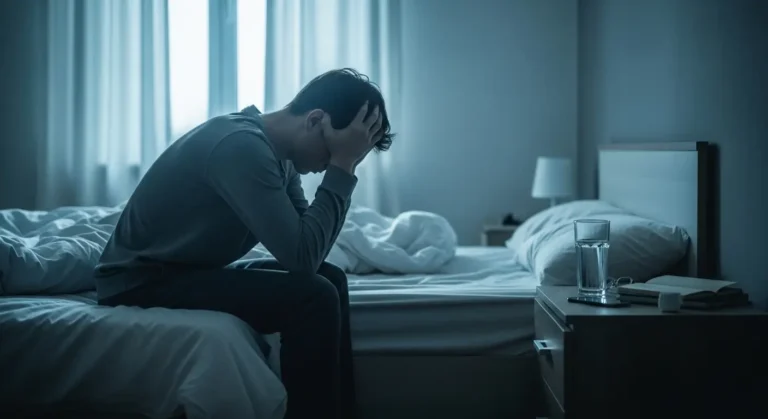
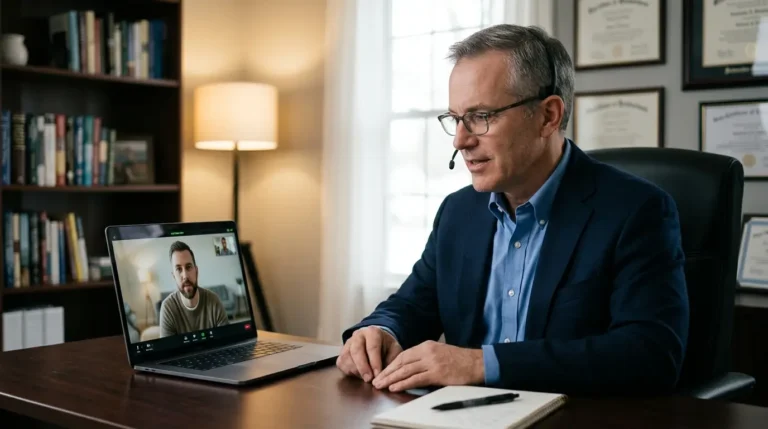
If you’re feeling more on edge lately, research shows that you’re not alone. The studies from 2024 reported 43% of adults feeling increased anxiety, a shift from 37% in 2023 and 32% in 2022. According to the numbers, our collective nerves still haven’t taken a breath since the pandemic — and anxiety is on the rise instead of declining.
What’s going on? One look around the world, and it’s easy to find things to be anxious about. But since many of these stressors are outside of your circle of influence, it’s vital to your health and well-being to take a step back. Way back — all the way back to inside your mind, so that you can use these easy anxiety-relief techniques to create calm in a world that can feel chaotic.
1. Just Breathe
Taking it all the way back to the basics, when anxiety threatens to overwhelm you, focus on your breathing. While it may seem small, it triggers significant changes within your body.
When you’re stressed, or, as your body sees it, in danger, your adrenal gland triggers fight-or-flight responses. Your breathing quickens, your heart rate rises, and your breath is shallow. Stress hormones are released, and your body is alert and primed for action — read: anxiety.
Deep breathing tells those stress responses to go to sleep. Everything is okay. You’re safe. Relax. It’s the ultimate mind trick.
Start by inhaling slowly and deeply, breathing through your nose. Hold each breath for 3-5 seconds before releasing through your mouth. The key is slow, deep breaths in and out. Repeat as many times as necessary until you feel the anxiety subsiding enough that you can move on to another calming technique.
2. Ground Yourself
Grounding techniques are among the core methods used by professional therapists to help patients manage their emotions. There are different ways to ground yourself, so you can try a few and see which ones work best for you.
Sensory grounding is one option. In this technique, you can use the 5-4-3-2-1 method, where you find and name five things you see, four things that you can touch, three things that you hear, two scents, and one thing you taste. You can also use the Focus on Your Feet method, where you put your feet flat on the ground and describe the sensations you notice.
Grounding can be physical, too, as with deep breathing. Try counting backwards from 1,000, with a breath between each number. Or, do something to move your body and distract your mind, like yoga, stretching, or taking a walk.
Finally, there’s cognitive grounding, where you use your mind to create a peaceful vision of your favorite calm place. Repeat affirmations or mantras to yourself, such as “I am calm,” and “I am safe.”
3. Listen to the Experts
Anxiety shouldn’t be ignored or written off, but that’s something we often do. However, it has such a significant impact on our health that many experts focus on teaching or providing ways to reduce anxiety.
One suggestion is to journal, getting your feelings and thoughts down on paper. This activity helps you acknowledge what you’re thinking and either recognize that things aren’t as bad as they seemed in your head or develop a plan of action to get them under control.
Stress can also lead to physical symptoms, such as teeth grinding, headaches, and tight muscles. Natural forms of relief protect your body from the side effects of anxiety while you work through what triggers your stress. Night guards protect your teeth from grinding and clenching, and conservative treatments like chiropractic care, massage therapy, and acupuncture can help alleviate physical pain and calm your mind. (This article by JS Dental Lab explains how acupuncture reduces anxiety and bruxism.)
The term may be thrown around a bit in today’s culture, but mental health experts also suggest prioritizing self-care to reduce anxiety. What does that look like?
Social media has us picturing spa days and cabin retreats. However, it doesn’t have to be that exorbitant. You just need to find a hobby or something that recharges you, and make a little time each week to let yourself engage in that activity. It could be as simple as taking a relaxing bath without the kids banging on the door, joining an online art class, or learning a new instrument.
If it makes you feel good, and it’s not unhealthy, it’s likely self-care, and it’s an effective anxiety-reducer.
Conclusion
The world is full of incredible things, but the hard stuff is also thrown at us frequently. If you’re feeling anxious, it’s vital that you shut off the outside for a little while and give yourself the time you need to add some calmness to your mind. Avoid stimulants (they increase anxiety), get rest, connect with people who care about you, and use these techniques to overcome and prevent stress from taking over your day.
Source: Dr Gina Sam MD