

If you’ve ever glanced at your underwear and wondered whether what you’re seeing is “normal,” you’re far from alone.
Vaginal discharge can feel mysterious, but it’s actually one of your body’s smartest self-cleaning systems. Understanding what healthy discharge looks like can help you spot changes early and feel more confident about what’s going on down there.
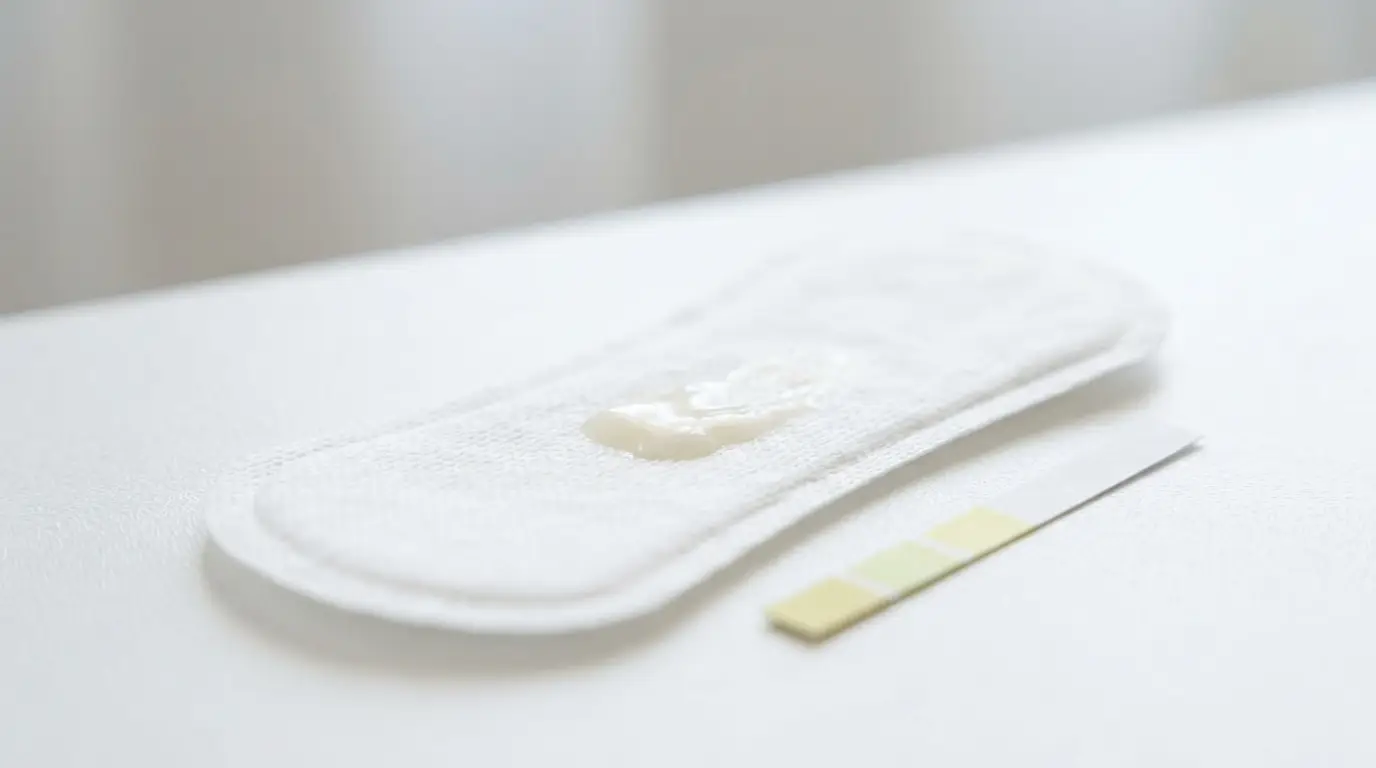
Normal discharge is mainly made of water, cervical mucus, and dead cells shed from the vaginal lining. Its job is to keep the vagina clean, lubricated, and protected from infection. Because hormones influence discharge, it’s perfectly natural for its appearance and amount to change throughout your cycle.
Below, you’ll learn a bit more about healthy discharge and signs to look out for if things are out of whack.
What Is the Typical Color of Healthy Discharge?
Healthy discharge is usually clear or milky white. When it dries on fabric, it might look slightly yellow, which is still considered normal.
What you generally shouldn’t see on a regular basis is discharge that’s bright yellow, green, gray, or brown outside of your period. These colors may indicate irritation, infection, or residual menstrual blood.
Clear discharge is especially common around ovulation, when your body produces more cervical mucus to help sperm travel more easily. This kind of discharge can look shiny and slick, almost like raw egg whites.
Milky white discharge, on the other hand, is more typical at other times in your cycle and often shows up just before or after your period.
What Should the Texture Be Like?
Normal discharge can vary in texture from thin and watery to thick and stretchy. Right after your period, you might notice very little discharge at all. As estrogen rises, discharge usually becomes creamier or more slippery. During ovulation, it often becomes stretchy and elastic, a sign your body is in its fertile window.
After ovulation, progesterone takes over, and discharge may become thicker or cloudier again. All of these shifts are part of a healthy hormonal rhythm. Vaginal probiotics are sometimes used by people who want to maintain a consistent internal balance during these changes, especially if they’re prone to irritation or discomfort.
How Much Discharge Is “Normal”?
There is no one-size-fits-all amount of discharge. Some people notice a small spot in their underwear each day, while others experience enough to need a panty liner. Both can be normal.
What matters more is consistency. If your usual pattern suddenly changes in volume or appearance, that’s when it’s worth paying attention.
Discharge may increase with sexual arousal, exercise, pregnancy, or certain birth control methods. Stress can also affect hormone levels, leading to changes.
What Should Discharge Smell Like?
Normal discharge has either no smell or a very mild scent that isn’t unpleasant. A slightly musky or tangy odor can be normal, especially after sweating or intimacy. What isn’t normal is a strong fishy, rotten, or yeasty smell. Those odors can signal bacterial imbalance or infection.
If odor becomes noticeable or persistent, it’s often accompanied by other changes, such as itching, burning, or an unusual color. Persistent symptoms should always be checked by a healthcare provider rather than ignored.
How Discharge Changes Through the Month
Your menstrual cycle plays a major role in how discharge appears. Right after your period, discharge is usually minimal and dry. As ovulation approaches, it becomes clearer and more slippery. After ovulation, it thickens again and may look white or creamy. Just before your period, some people notice slightly heavier discharge or a faint yellow tint.
These patterns are signs your reproductive system is working as it should. Tracking them can help you learn what’s normal for your body. Over time, you may even be able to predict where you are in your cycle just by observing your discharge.
When Should You Be Concerned?
While most discharge is healthy, certain changes should raise a red flag. Thick, cottage-cheese-like discharge with itching can suggest a yeast infection. Gray or green discharge with a fishy odor may indicate bacterial vaginosis. Brown discharge outside your period could be old blood or, in some cases, a sign that needs medical attention.
Pain, burning, or swelling alongside discharge changes is another sign it’s time to see a professional. Vaginal probiotics can be part of a broader wellness approach, but they are not a substitute for medical diagnosis or treatment.
Keeping Your Microbiome in Balance
Healthy discharge starts with a healthy vaginal environment. Avoid douching, as it can wash away beneficial bacteria and upset your natural balance. Choose mild, fragrance-free soaps for the outer area only, and let your body handle the rest. Staying hydrated and managing stress also play subtle but important roles in hormonal and vaginal health.
In many cases, people turn to products like URO Probiotics to support intimate health, especially when they want to keep their vaginal environment balanced. While results can vary from person to person, many find them useful as part of an overall approach to intimate wellness.
Understanding Your Body’s Natural Rhythm
Normal discharge is usually clear or milky white, mild-smelling, and changes in texture throughout the month. It’s your body’s way of keeping things clean and comfortable. Learning what’s typical for you is the best way to recognize when something feels off.
With good habits, awareness, and tools like vaginal probiotics when appropriate, you can support your body’s natural rhythm and feel more confident about what’s normal for you.