

Many parents in Massachusetts question when their child needs help. You may wonder which strategies are safe and effective for your child.
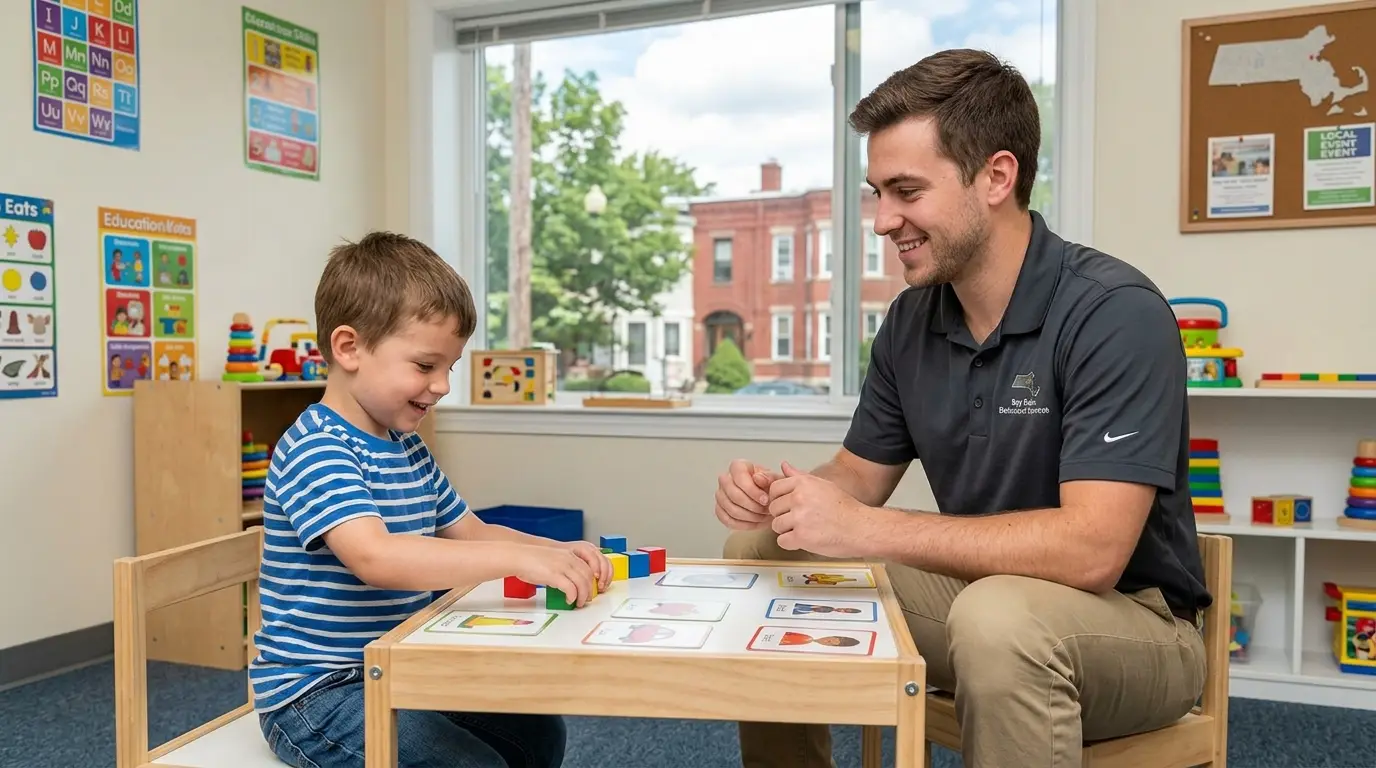
Families seeking support locally can find ABA therapy Massachusetts programs that guide children in daily living skills, support cognitive development and build confidence. Applied behavior analysis encourages your child, helps them learn, and shows growth.
What is ABA Therapy?
ABA therapy encourages excellent behavior and teaches children to talk, play, and complete daily duties. A child who struggles to ask for help might learn simple words or gestures. Daily practice makes these modest steps bigger and better.
Applied behavior analysis teaches children:
- What to do
- How to do it
- Why it matters
It uses rewards, repetition, and clear steps to help them succeed.
History and Development of ABA
Since its founding, ABA has evolved. It now treats each child gently and safely. Modern ABA emphasizes rewards, straightforward plans, and gradual growth. Different methods are used for different children.
Key Principles of ABA
- Positive reinforcement.
- Consistency
- Personalization
- Data-Driven Decisions
How ABA Therapy Supports Child Development
ABA is not just about behavior. It supports many areas of a child’s growth.
1. Improves Communication Skills
Some children struggle to express their needs. ABA helps them learn simple ways to communicate.
For example, a child may learn to:
- Use words
- Point to pictures
- Ask for help
Over time, this helps the child feel less upset and more confident.
2. Builds Daily Living Skills
Many children need help with everyday tasks like dressing, eating, or brushing teeth.
ABA breaks these tasks into small steps. Each step is taught slowly and clearly.
For example:
- First put on socks
- Then wear shoes
- Then tie laces
This helps children become more independent.
3. Encourages Positive Behavior
ABA rewards excellent behavior rather than punishing it. Children receive praise and awards for good work. Saying “Great job cleaning up your toys!” encourages children to do it again.
4. Reduces Challenging Behavior
Children may strike, have tantrums, or not finish tasks. This typically happens because children can’t express their needs. ABA explains these behaviors and offers better responses.
For example:
- Instead of crying, the child learns to ask for help
- Instead of throwing things, the child learns to take a break
5. Improves Social Skills
Some children struggle with socialization. ABA helps teach them how to:
- Take turns
- Share
- Play with others
- Follow simple rules
These skills are taught step by step in real-life situations.
Benefits of ABA Therapy
Evidence-Based and Personalized
Applied Behavior Analysis (ABA) is backed by research. Each program is made for a child’s own strengths and weaknesses, helping them make real progress.
Long-Term Development Improvements
ABA helps children:
- Communicate more effectively: reducing frustration
- Follow routines: improving daily life
- Gain independence: boosting confidence
Common ABA Techniques
ABA treatment helps children learn and behave better with simple methods. Daily usage of these approaches works at home and school.
Positive Reinforcement
Giving a child prizes for excellent conduct is positive reinforcement. Praise, stickers, or additional playtime are rewards. Say “Great job!” when your child finishes schooling. This motivates them to return.
Prompting and Fading
Prompting means helping a child do a task by giving support. We can use words, actions, or graphics. You can teach your child to wash their teeth. Over time, you give less help. This is called fading. This helps the child learn to do things on their own.
Task Analysis
Task analysis means breaking a big task into small steps. For example, getting dressed can be:
- Put on socks
- Wear shirt
- Put on shoes
children learn better when taught step-by-step.
Token System
A token system promotes positive conduct with minor rewards. These gifts can be utilized later for something they like. For example, your child gets a star for doing chores. After five stars, they get extra screen time. This keeps children motivated and shows progress.
Modeling
Modeling implies teaching a child. If you want your child to say “thank you,” say it first. Your child learns by seeing and copying.
Redirection
Redirecting a child from bad conduct to good is redirection. If your child throws toys, advise sketching or playing quietly. This approach helps stop bad behavior without using punishment.
Shaping
Shaping rewards tiny positive behavior changes. Praise sounds as a child learns to talk. Praise words, then sentences. This step-by-step method helps children learn challenging tasks.
Final Thoughts
ABA treatment gives parents and teachers simple techniques to help children learn and thrive. It uses tiny stages, prizes, and consistent assistance. ABA aids daily life. It boosts speech, behavior, and independence. Children gain confidence and practical skills. Many children, not just those with autism, can gain life skills.