

Healing does not begin and end with medication, procedures, or test results. For many patients, real healing starts with feeling heard, understood, and supported during moments of fear, pain, or uncertainty. Nurses play a central role in this experience. They are often the first to notice emotional distress, subtle physical changes, or unspoken concerns that affect recovery. Through constant presence and hands-on care, nurses bridge the gap between clinical treatment and personal healing. Their work shapes how patients cope, respond to illness, and move toward recovery, even when outcomes are uncertain.
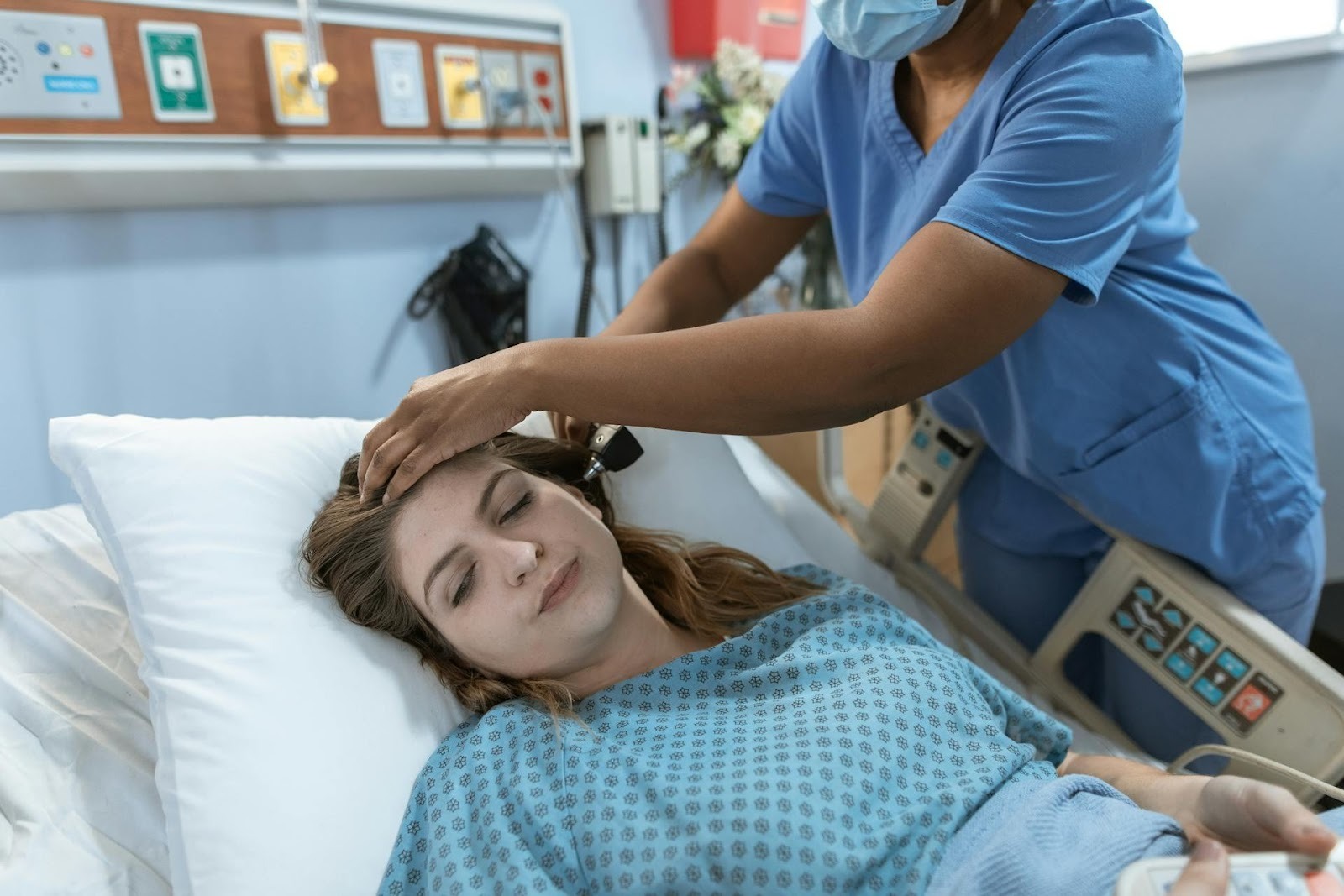
Let’s have a look at how nurses transform care by supporting healing beyond medical treatment.
The Expanding Role of Nurses in Modern Healthcare
Nursing has shifted far beyond carrying out clinical instructions or monitoring vital signs. Nurses now act as care coordinators, educators, and advocates who guide patients through complex healthcare systems. They notice early warning signs, manage ongoing communication, and respond to changes that technology may not detect. This expanded role allows nurses to support recovery in practical and personal ways. Their close involvement helps patients feel safer and more confident during treatment, which often leads to better engagement and improved overall care experiences.
Seeing the Whole Person, Not Just the Condition
Illness affects more than the body. Stress, fear, family pressure, and personal beliefs all influence how patients respond to treatment. Nurses take time to understand these factors and adjust care accordingly. This approach reflects the value of holistic care in nursing, where physical health connects directly to emotional and mental well-being. By listening closely and observing behavior, nurses identify barriers to healing that medical charts cannot show. This broader perspective supports recovery that feels meaningful and sustainable for patients.
Building Trust Through Consistent Patient Interaction
Trust grows through repeated, honest interaction. Nurses spend more time with patients than most healthcare professionals, which gives them unique opportunities to build rapport. Simple actions such as explaining procedures clearly or checking in regularly help patients feel secure. When patients trust their nurse, they share concerns sooner and follow care instructions more closely. This connection reduces anxiety and supports smoother recovery. Trust also helps families feel reassured during stressful periods of treatment or hospitalization.
Emotional Support During Vulnerable Moments
Medical treatment often places patients in unfamiliar and frightening situations. Nurses provide steady emotional support during these moments by acknowledging fears and offering reassurance without dismissing concerns. They recognize signs of emotional distress and respond with empathy rather than urgency alone. This support helps patients remain calm and cooperative during care. Emotional stability can reduce stress-related complications and improve comfort. Nurses also help patients process difficult news, which strengthens coping and resilience during recovery.
Advocacy That Protects Patient Dignity
Patients do not always feel confident speaking up for themselves. Nurses step in to ensure voices are heard and preferences respected. They clarify information, question inconsistencies, and remind care teams of patient needs. Advocacy protects dignity, especially for vulnerable individuals who feel overwhelmed or confused. Nurses help patients understand choices and feel involved in decisions about their care. This sense of control supports emotional well-being and encourages patients to remain active participants in healing.
Education That Empowers Patients and Families
Understanding care instructions often determines how well patients recover once they leave a clinical setting. Nurses play a critical role in translating medical information into clear, usable guidance. They explain medications, wound care, lifestyle adjustments, and warning signs in ways patients can actually remember. This education reduces confusion and lowers the risk of avoidable complications. Families also benefit from this support, especially when they take on caregiving responsibilities. When nurses educate with patience and clarity, patients gain confidence and feel better prepared to manage their health beyond the hospital.
Supporting Healing in High-Stress Environments
Fast-paced care settings place heavy demands on both patients and healthcare professionals. In emergency rooms, intensive care units, and long-term care facilities, nurses must balance urgency with attentiveness. Their ability to stay calm helps stabilize patients who feel frightened or overwhelmed. Even brief moments of reassurance can reduce distress and improve cooperation during treatment. Nurses also manage emotional strain within these environments by staying alert to signs of burnout, both in patients and colleagues. This steady presence helps maintain a sense of safety when circumstances feel unpredictable.
Cultural Awareness and Personalized Care
Patients bring personal values, beliefs, and experiences into every healthcare interaction. Nurses who recognize these differences can adjust communication and care approaches to better meet patient needs. Cultural awareness helps prevent misunderstandings that may affect treatment adherence or trust. By asking thoughtful questions and listening without judgment, nurses create care plans that feel respectful and relevant. This personalized approach strengthens relationships and encourages patients to remain engaged in their healing process. Respecting identity and background supports dignity, which plays a meaningful role in emotional well-being.
Collaboration That Enhances the Healing Process
Effective healthcare relies on teamwork, and nurses often serve as the link between multiple providers. They share observations, clarify care plans, and ensure continuity across departments. This coordination prevents gaps that could delay recovery or cause unnecessary stress. Nurses also advocate for timely adjustments when patient conditions change. Clear collaboration improves efficiency and reduces errors, which directly benefits patient safety. When care teams communicate well, patients experience smoother transitions and more consistent support throughout treatment.
Why Nursing Care Shapes Long-Term Health Outcomes
The influence of nursing care often continues long after formal treatment ends. Patients who feel supported and respected during care are more likely to adhere to follow-up plans and seek help when needed. Nurses help build confidence by encouraging self-awareness and healthy habits. This guidance supports resilience, especially for those managing chronic conditions or ongoing recovery. Positive care experiences also shape how patients approach healthcare in the future. Trust and understanding foster long-term engagement, which plays a key role in sustained health.
Healing is rarely a straight path, and medical treatment alone cannot address every challenge patients face. Nurses operate at the intersection of science, communication, and human connection. Their work influences how people feel about their health, their care teams, and their ability to move forward after illness. By educating, collaborating, and adapting care to each individual, nurses help create healthcare experiences that encourage strength rather than dependence. This approach does more than support recovery; it empowers people to take ownership of their well-being long after clinical care ends.


