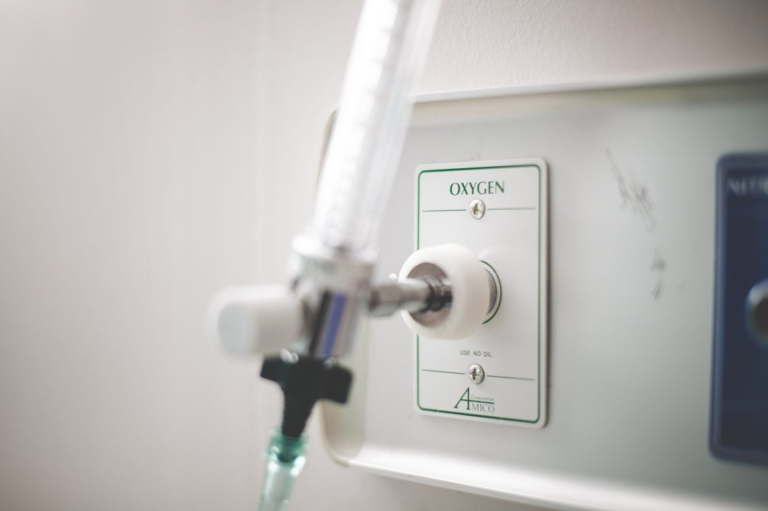

The medical device industry is a powerful global market valued at over $500 billion and comprising everything from orthopedic implants to pacemakers. However, challenges remain, particularly in innovative medical devices, where engineers must balance the needs of multiple users—clinicians, patients, and caregivers—while complying with regulatory requirements. Adopting a human-centered design approach is key for those wishing to design high-quality, user-friendly devices that are also compliant. Key priorities include multi-user experience design, XR, and sensor technologies to optimize the user experience.
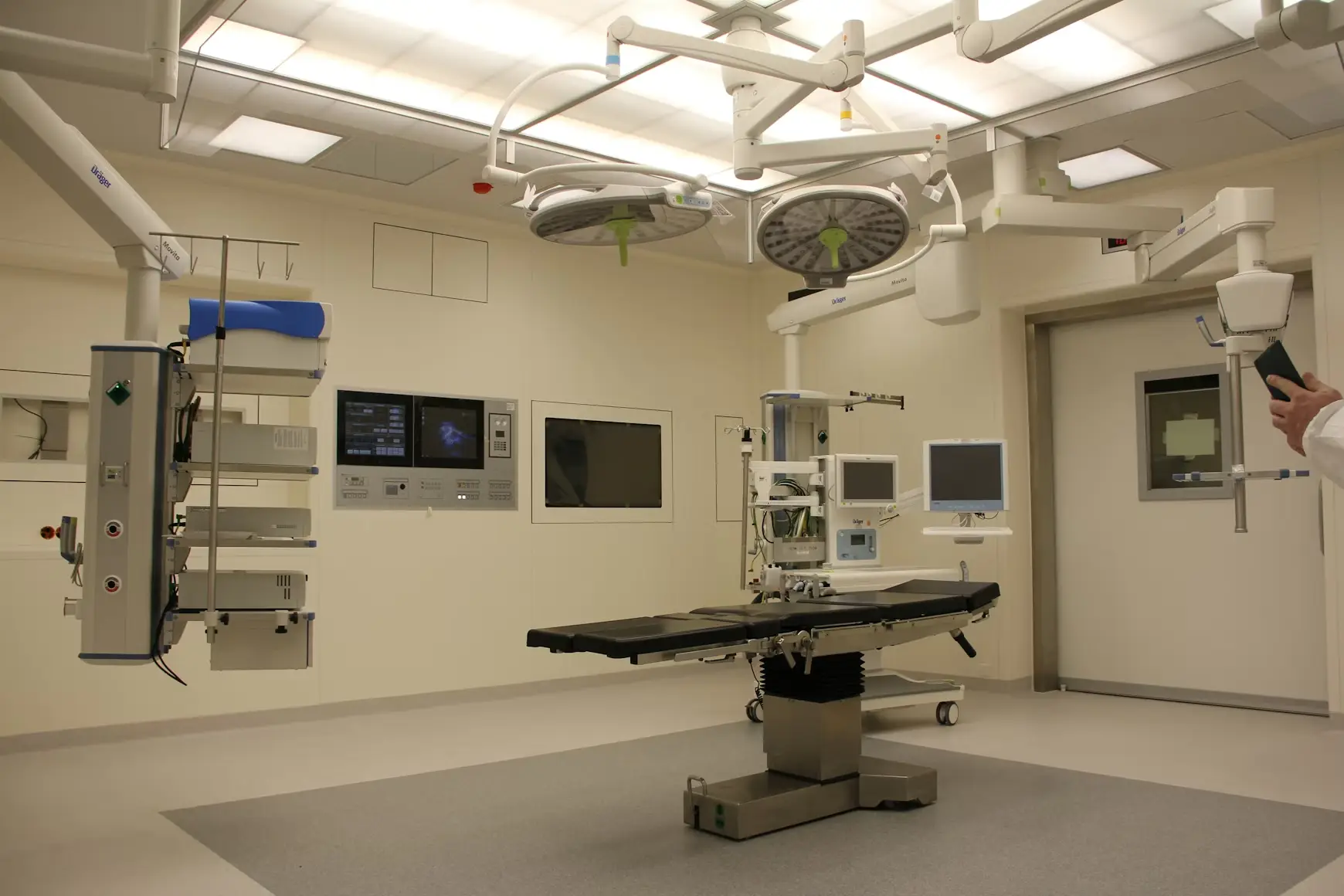
What Is Human-Centered Design?
Human-centered design is based on adapting designs to real rather than ideal users. Consider a connected insulin pump or a remote cardiac monitor, both of which may be used by health professionals in clinical settings and by patients at home. Patients may require more straightforward instructions than medical professionals, while the latter may prioritize speed and alarm functionality over patient needs. Human-centered design recognizes that users are diverse and that not all are medically trained. It also accounts for the fact that people may experience varying levels of stress and fatigue, and that some users may have limited attention and memory. Others may face physical constraints such as low light or noise. Ideally, interfaces must be simple and clear, while also providing the detailed data required by medical professionals.
Prioritizing Safety
Human-centered design prioritizes safety by using familiar symbols and plain language, making key actions clear, and preventing errors. Consider the EpiPen Auto-Injector, which delivers epinephrine to treat anaphylaxis (a severe allergic reaction). The device includes clear instructions (“blue to the sky, orange to the thigh”) and both audible and tactile feedback to confirm correct usage. Smart infusion pumps, meanwhile, deliver medication and nutrients to patients via IV. Unlike traditional pumps, they contain built-in software that prevents human error during programming and use. For instance, they define minimum and maximum doses, demand confirmation steps for high-risk medications, and provide a visual map of key information, including the medication name, infusion rate, and total volume to be delivered.
Relying on New Technologies
One of the biggest advances in human-centered design of medical devices is the use of new technologies or “extended reality,” including augmented reality, virtual reality, and mixed reality. These technologies help clinicians and patients interact with devices more intuitively. For instance, parents of children with congenital heart disease can now don AR goggles to view 3D holograms of their child’s anatomy with their physicians by their sides. Moreover, during procedures, doctors can view patient anatomy and real-time catheter positions in 3D while maintaining full visibility of the patient and the operating room. Additionally, doctors can see bright regions near a fluoroscopy machine (which uses X-rays to visualize internal organs and tissues in real time). As such, they can ensure that safety equipment is well-positioned and avoid unnecessary radiation exposure. After these procedures, medical students can study immersive 3D videos of the procedures as if they were in the OR.
Boosting Comfort
Beyond safety and accuracy, human-centered design significantly improves patients’ physical and physiological comfort. For instance, advanced 3D design and digital modeling techniques enable device design teams to buy titanium plates and then design and shape them to each patient’s unique anatomy. Currently, 3D technology is being used for everything from craniofacial reconstruction to jaw and maxillofacial surgery and orthopedic trauma. For instance, in craniofacial surgery, CT scans are converted into 3D digital models of patients’ skulls, and titanium is then shaped to match the exact curvature of bone prior to surgery.
Reducing Human Burden
Sensor use is another key component of modern device design, as it overcomes the challenges of traditional medical device design. Traditional monitoring relied on manual measurements, frequent doctor visits, and active user input. Today, devices such as wearable heart rate and oxygen sensors automatically collect data, enabling patients to complete day-to-day tasks comfortably while providing medical professionals with the information needed to develop personalized treatment plans.
Human-centered design focuses on creating devices that best meet the needs of clinicians, patients, and caregivers. Modern design relies on cutting-edge technologies such as augmented reality and lightweight materials like titanium. Sensor technology, meanwhile, reduces user burden, improves safety, and adapts to users’ needs, including those without medical training.