What if the cure for cancer is closer than most people think? Around the world, millions of people face cancer every year. Beating cancer requires more than hope; it needs solid science and bold discoveries.
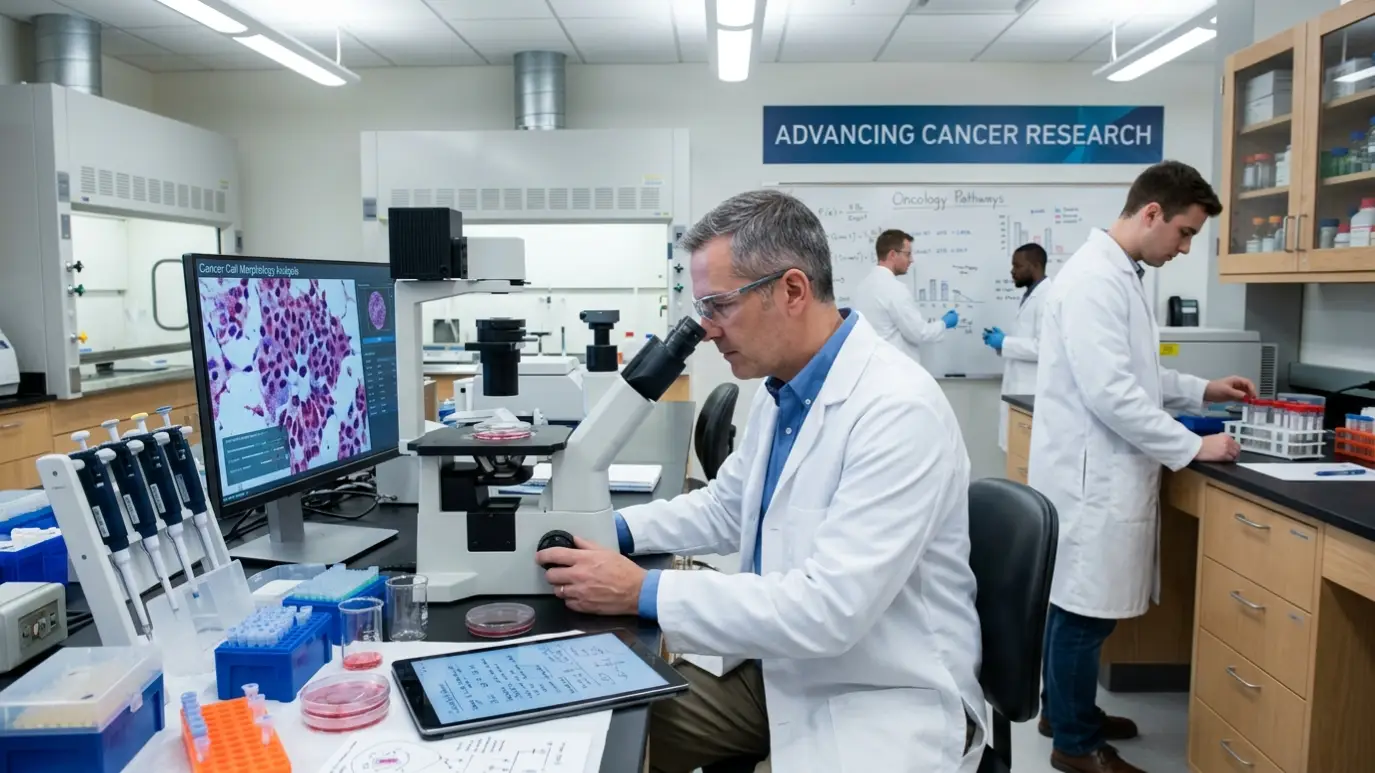
Every new treatment begins with a question in a laboratory. Over time, these questions lead to new medicines, smarter therapies, and more lives saved. Without research, progress in cancer care would stop.
This blog post explains why research is essential in the battle against cancer. By the end, readers will see how ongoing studies shape a brighter future for everyone. Keep on reading!
Understanding Cancer Better
Research helps doctors and scientists learn how cancer starts and grows. The more they know, the better they can fight it. Studies look at why some cells become cancer while others stay healthy.
Learning about genes and cell changes gives important clues. This knowledge helps experts find cancer earlier. Early detection often means better chances for recovery.
Scientists also study why cancer spreads in the body. By understanding these details, they can create better treatments. Every discovery builds on the last, moving cancer care forward.
New Treatments and Therapies
Thanks to research, there are more types of treatments than ever before. In the past, options were limited and often harsh. Today, new methods target cancer cells while leaving healthy cells alone.
Clinical trials test these new therapies to make sure they are safe. Some treatments now use the body’s own immune system to fight cancer. These are called immunotherapies, and they are making a real difference.
Research also helps make treatments less painful. With every study, therapies get better and more personalized. Patients benefit from these new choices every day.
Improving Survival Rates
Survival rates for many cancers are rising because of research. Long ago, a cancer diagnosis often meant little hope. Now, more people are living longer and healthier lives after treatment.
Scientists look for ways to catch cancer sooner. Early detection is a big reason why survival rates improve. New drugs and therapies add to these better outcomes.
Researchers also study why some people survive longer than others. Their findings help guide future treatments. Each new advance increases the odds of beating cancer.
Reducing Side Effects
Cancer treatments can cause tough side effects. Research aims to make these effects milder. Scientists look for ways to ease pain, nausea, and tiredness during therapy.
New drugs and better planning help patients feel better while fighting cancer. Some studies focus on protecting healthy cells during treatment. This can lead to fewer long-term problems after therapy ends.
Research also finds ways to help people recover faster. By making treatments gentler, more patients can finish their care. Better side effect management gives hope and comfort to many.
Personalizing Cancer Care
Every person and every cancer is different. Research helps tailor treatments to fit each patient. Personalized medicine uses special tests to find the best therapy for each case.
Doctors look at genes, lifestyle, and other factors before making a plan. This approach often works better and causes fewer problems. Scientists study which treatments work best for different types of cancer.
These findings help guide care for future patients. As research grows, so does the ability to give the right treatment to the right person. Personal care leads to better results.
The Role of Clinical Trials
Clinical trials are key in finding new cancer treatments. Patients who join these trials help advance science. These studies test new cancer drugs, therapies, and care methods.
Trials follow strict safety rules to protect participants. Many life-saving treatments were first found in clinical trials. Patients in trials often get early access to promising new options.
Researchers learn what works and what does not. Success in trials leads to wider use of new therapies. Without clinical trials, progress would be much slower.
Discovering Early Detection Tools
Early detection saves lives. Research has led to better ways to find cancer sooner. Screening tests, like mammograms and colonoscopies, catch cancer before symptoms appear.
Scientists work on blood tests and scans that spot cancer earlier. Finding cancer early means treatments can start sooner. This often leads to better recovery rates.
Research also looks for warning signs in genes or blood. Early detection tools continue to improve with each new study. More people survive cancer because of these advances.
Preventing Cancer Before It Starts
Research not only assists in the treatment of cancer, but it also assists in the prevention of the disease. According to studies, certain behaviors either increase or decrease the risk of developing cancer. Healthy eating, quitting smoking, and engaging in regular physical activity can make a significant difference.
Researchers also work to develop vaccines that protect against cancers that are caused by viruses. Through research, medical professionals can provide more effective guidance on how to avoid developing cancer. In certain studies, researchers look for early changes in cells that could potentially lead to cancer.
People can choose safer options when they are aware of the risks. One of the most effective ways to combat cancer before it strikes is through prevention.
Supporting Patients and Families
Cancer has repercussions that extend beyond the individual who has been diagnosed. In addition, research investigates ways to support families and caregivers. Research has uncovered methods that can help reduce stress and improve quality of life.
A common recommendation is to participate in counseling or support groups. There is research that is aimed at assisting children and young people who have cancer. Financial support and workplace assistance are also important topics to discuss.
Experts investigate the most effective ways to provide solace and hope. Using study findings, hospitals can provide better care to their patients. Cancer treatment is not complete without the support of one’s family.
Tackling Rare Cancers
Rare cancers are harder to treat because they affect fewer people. Research brings hope to those with uncommon diagnoses. Scientists work to find what causes rare cancers.
They look for special treatments that target these unique types. Clinical trials for rare cancers are challenging but important. Even small studies can lead to big breakthroughs.
People with rare cancers often join forces through research centers. XenoSTART is one research center that focuses on testing new cancer therapies in clinical trials.
Progress in rare cancer research can help others with similar diseases. Every patient deserves a chance at a cure.
Advancing Technology in Cancer Care
New technologies are changing the diagnosis and treatment of cancer. As a result of research, better machines for scanning and testing are developed. Surgical procedures can now be performed with greater precision thanks to robotic assistance.
Computer programs can help plan the most effective course of treatment for each patient. Using technology, researchers can examine cancer cells in greater detail. Over the course of a year, testing apparatus improves.
Some new tools allow doctors to see tumors without performing surgery. Additionally, technology helps monitor the efficacy of treatments. Every new piece of hardware or software is the result of years of research.
The Global Impact of Cancer Research
Cancer research is an international endeavor. To find answers, scientists from many countries collaborate. When information is shared, progress is made more quickly.
Since certain diseases are more prevalent in particular regions, research must be conducted on a global scale. New treatments discovered in one nation can help people in other nations. International studies investigate the efficacy of various treatments across diverse populations.
Data and ideas are shared among global research networks. By cooperating, the world is getting closer to victory over cancer. Research advancements benefit every nation on the planet.
Funding the Future of Cancer Research
When it comes to research, money is essential. Cancer research is supported by a variety of organizations, including governments, charitable organizations, and private organizations. With donations, laboratory equipment and clinical trials can be purchased.
Without funding, significant projects might be halted. In addition to raising money, fundraising events also raise awareness. Additionally, some businesses invest in the development of new treatments.
Individuals can support research by participating in studies or making donations. Every dollar helps advance science. When you support research, you are supporting the hope that the future holds.
The Role of Education in Cancer Research
Education enables more people to understand cancer and the importance of research. Students learn about discoveries in schools and universities. Science can be easily understood through public talks and articles.
When people have more information, they can make better decisions about their health. Instructional programs explain the advantages of clinical trials. Patients and their families are also a source of input for scientists.
As a result of knowledge sharing, young people are inspired to become researchers. When education improves, there is greater support for cancer research. When it comes to the fight against cancer, a well-informed community is a powerful ally.
Advancing the Fight Through Continued Discovery
To beat cancer, we need to keep researching and sharing what we know. Every discovery helps us understand, stop, diagnose, and treat diseases better for people in the future.
As scientists keep working, they make treatments safer and give families around the world more hope. Supporting research now helps make communities healthier in the future. In the medical world, progress is made through collaboration and continuous learning.
Did you like this guide? Great! Please browse our website for more!