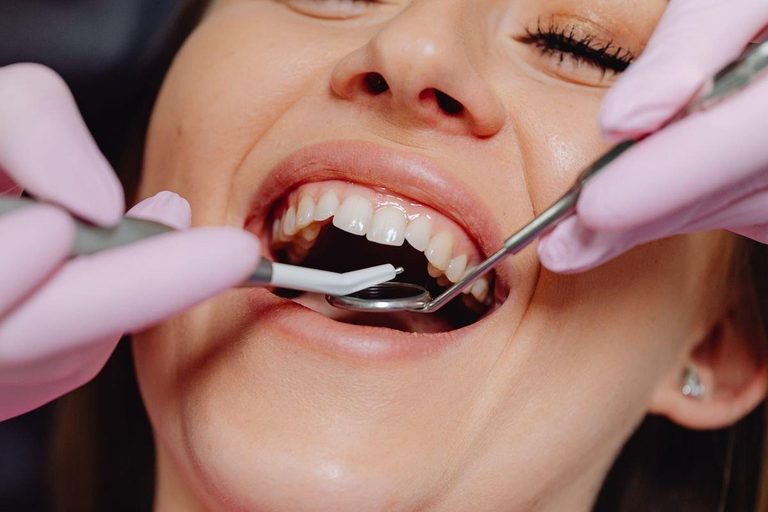

Waking up with a sore jaw, a dull headache or teeth that feel strangely sensitive? You might be grinding or clenching your teeth while you sleep. Known as bruxism, this habit is surprisingly common, and many people have no idea they’re doing it until a partner mentions the noise or a dentist spots the signs. If you suspect you’re grinding your teeth, booking a check-up with a dentist thornleigh locals trust is a sensible step towards protecting your teeth and easing your symptoms.
This article explains what bruxism is, the warning signs to look out for, common contributing factors and the treatment options your dentist may recommend.
What is Bruxism?
Bruxism refers to grinding, gnashing or clenching the teeth. It can happen during sleep, known as sleep bruxism, or during the day, often without the person realising. Daytime clenching is commonly linked to concentration, stress or habit, while night-time grinding happens unconsciously during sleep.
Occasional grinding may not cause problems, but regular or forceful grinding can damage teeth, strain the jaw muscles and affect sleep quality.
Common Signs and Symptoms
Because many people grind their teeth while asleep, the signs can be subtle. Look out for the following.
Jaw Pain and Tightness
Waking up with aching, tired or tight jaw muscles is one of the most common signs. Some people also notice clicking or discomfort in the jaw joint.
Headaches
Morning headaches, particularly around the temples, can be associated with grinding and clenching during the night.
Worn, Chipped or Cracked Teeth
Over time, grinding can flatten the biting surfaces of teeth, wear away enamel and cause chips or cracks. Your dentist may notice these changes during a routine examination before you’re aware of them.
Tooth Sensitivity
As enamel wears down, teeth may become more sensitive to hot, cold or sweet foods and drinks.
Disrupted Sleep
Some people grind their teeth loudly enough to wake a partner. Grinding may also be associated with poorer sleep quality.
What Causes Teeth Grinding?
Bruxism often has more than one contributing factor, and the cause isn’t always clear. Common factors include the following.
Stress and Anxiety
Emotional stress is commonly linked to clenching and grinding. Busy work schedules, financial pressures and major life changes may all contribute.
Sleep-Related Issues
Sleep bruxism has been associated with certain sleep disorders, including obstructive sleep apnoea. If you snore loudly, wake up gasping or feel exhausted despite a full night’s sleep, discuss this with your GP.
Lifestyle Factors
Caffeine, alcohol and smoking may increase the likelihood of grinding for some people. Certain medications can also be associated with bruxism.
Bite Issues
In some cases, dental factors such as missing teeth or an uneven bite may play a role, although the relationship between bite and bruxism is complex.
How Your Dentist Can Help
If your dentist suspects bruxism, they’ll examine your teeth, gums and jaw, ask about your symptoms and discuss possible contributing factors. Depending on what they find, they may recommend one or more of the following.
Custom Night Splints
A custom-made occlusal splint, sometimes called a night guard, is one of the most common treatments. Worn during sleep, it creates a protective barrier between the upper and lower teeth, reducing wear and helping to ease pressure on the jaw. Custom splints are made from impressions or scans of your teeth for a comfortable, secure fit, unlike generic over-the-counter options.
Repairing Damage
If grinding has already caused chips, cracks or significant wear, your dentist may recommend treatments to restore and protect affected teeth. Addressing damage early can prevent more extensive problems later.
Referral and Support
Because stress and sleep can play a role, your dentist may suggest speaking with your GP, a sleep specialist or another health professional. Managing underlying contributing factors can be an important part of reducing grinding.
Self-Care Tips
Alongside professional care, some everyday habits may help. Notice whether you clench your jaw during the day and gently relax your jaw when you catch yourself. Try relaxation techniques before bed, such as stretching, deep breathing or reading. Limit caffeine and alcohol in the evening, and apply a warm compress to sore jaw muscles. Healthdirect offers further general information on teeth grinding and when to seek help.
Why Early Treatment Matters
Left unmanaged, bruxism can lead to significant tooth wear, broken teeth and fillings, gum recession and ongoing jaw discomfort. Repairing extensive damage can be complex and costly, so identifying the problem early and protecting your teeth is the best approach.
Grinding in Children
Teeth grinding is also common in children, particularly while their teeth and jaws are developing. In many cases, children grow out of the habit without treatment. However, if your child complains of jaw pain, headaches or sensitive teeth, or if you notice significant wear, mention it at their next dental visit. Your dentist can monitor their teeth and advise whether any action is needed. Keeping track of your symptoms, such as when headaches occur or how your jaw feels each morning, can also help your dentist understand the pattern and tailor your treatment more effectively.
Final Thoughts
Teeth grinding is common, but that doesn’t mean it should be ignored. If you’ve noticed jaw pain, headaches, worn teeth or sensitivity, talk to your dentist. With the right assessment and a tailored plan, such as a custom night splint and support for contributing factors, you can protect your teeth, ease discomfort and enjoy more restful sleep.