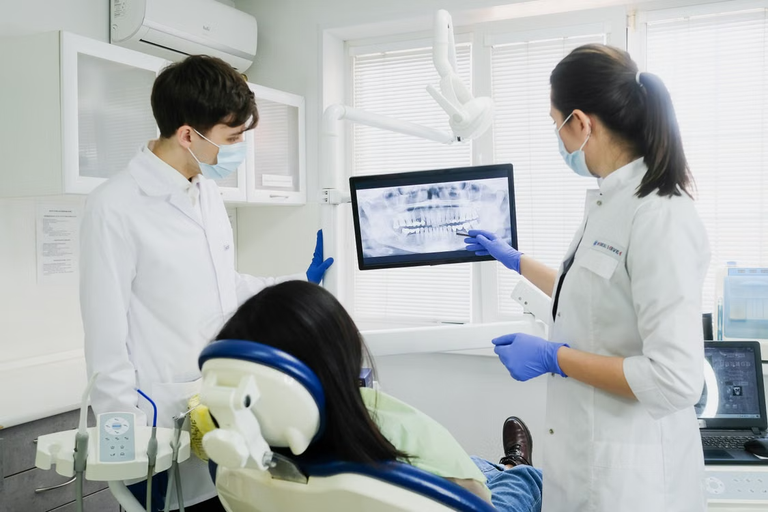

Getting new dentures is a big step. For many people, it means being able to smile confidently again, chew a wider range of foods and speak more clearly. But like any new routine, there’s a period of adjustment. Your mouth needs time to get used to something new, and knowing what to expect can make the process much easier. If you’ve recently been fitted with dentures, or you’re considering dentures melbourne patients trust, this guide covers the first few weeks and offers practical tips for settling in.
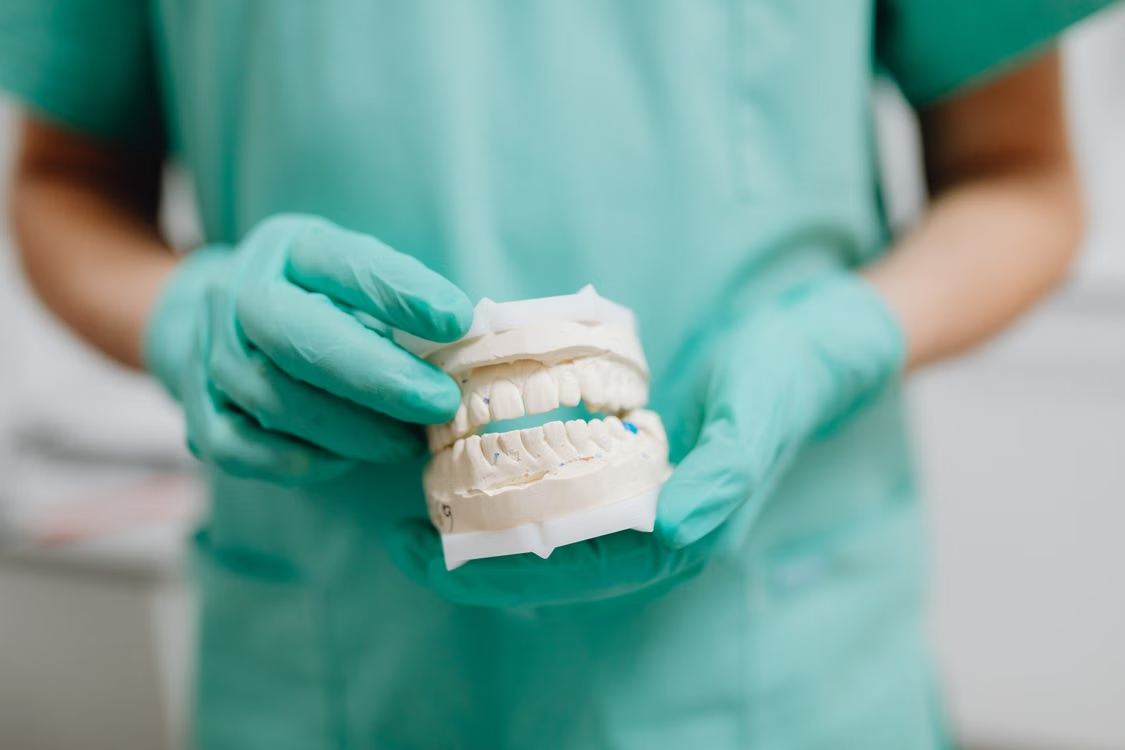
Everyone’s experience is different, so always follow the specific advice of your dental professional.
Why an Adjustment Period is Normal
Your mouth is incredibly sensitive. Your tongue, cheeks, lips and gums are used to the shape and feel of your natural teeth, or to the gaps left behind after tooth loss. When dentures are introduced, your mouth and the muscles around it need time to learn how to hold them in place and work with them.
It’s common to feel that your dentures are bulky, loose or unfamiliar at first. These sensations usually ease as you become accustomed to them. Many people find the first couple of weeks are the most challenging, with things improving steadily after that.
Common Experiences in the Early Days
Here are some of the things people often notice after receiving new dentures.
Increased Saliva
Your mouth may produce more saliva than usual in the first few days. This is a natural response to something new in your mouth and tends to settle down as you adjust.
Mild Soreness
Some tenderness or sore spots on your gums are common, especially in the first week. If a sore spot doesn’t improve or becomes painful, contact your dental clinic. Small adjustments to the denture can often make a big difference to comfort. Avoid trying to adjust dentures yourself, as this can damage them.
Changes in Speech
Certain words, especially those with “s” and “f” sounds, may feel tricky at first. Reading aloud, singing along to music and practising difficult words can help your tongue and lips adapt more quickly. Most people find their speech returns to normal within a few weeks.
Feeling of Looseness
Dentures, especially lower dentures, can feel as though they move while you eat or talk. Over time, your cheek and tongue muscles learn to help hold them in place. If looseness persists, talk to your dental professional, as an adjustment or reline may help.
Eating With New Dentures
Eating is often the area that takes the most patience. Start with soft foods cut into small pieces, such as scrambled eggs, yoghurt, soups, fish, mashed vegetables and soft pasta. Chew slowly using both sides of your mouth at the same time to help keep your dentures stable.
As your confidence grows, you can gradually introduce firmer foods. Some foods, such as very sticky lollies, hard nuts, tough meats and crusty bread, may remain challenging and are best approached with care. Biting into food with your front teeth can dislodge dentures, so try cutting food into smaller pieces instead.
Caring for Your Dentures
Good care keeps your dentures looking their best and supports the health of your mouth.
Clean your dentures daily using a soft brush and a cleaner recommended by your dental professional. Regular toothpaste can be too abrasive for some denture materials. Rinse your dentures after eating to remove food particles. Handle them over a folded towel or a sink filled with water so they don’t break if dropped.
Unless you’ve been advised otherwise, remove your dentures overnight to give your gums a rest, and store them in water or a denture solution so they don’t dry out. Clean your gums, tongue and any remaining natural teeth daily, too.
Don’t Skip Follow-Up Appointments
Follow-up visits are an important part of getting comfortable with your dentures. Your dental professional can check how they fit, ease any pressure points and answer questions. Over time, the shape of your gums and jawbone naturally changes, which can affect fit. Regular check-ups help ensure your dentures continue to fit comfortably and that any oral health issues are picked up early.
Healthdirect Australia also offers helpful general information about denture care and oral health.
When to Seek Help
Contact your dental clinic if you experience persistent pain, sores that don’t heal, difficulty eating after several weeks, or if your dentures crack, chip or feel noticeably loose. Prompt attention can prevent small issues from becoming bigger problems.
Managing Expectations as Time Goes On
Even after the initial adjustment period, it’s normal for your relationship with your dentures to keep evolving. Many people find their confidence grows gradually, with eating, speaking and smiling becoming second nature over several months. If you’ve had teeth extracted shortly before receiving your dentures, your gums will continue to heal and change shape, and a reline may be needed to restore a comfortable fit. Be patient with yourself and keep communicating with your dental team about how you’re getting on.
Keeping a short list of questions or concerns between appointments can make follow-up visits more productive.
Final Thoughts
Adjusting to new dentures takes time, patience and practice, but most people find the effort well worth it. By starting with soft foods, practising speaking, caring for your dentures properly and attending follow-up appointments, you’ll give yourself the best chance of a comfortable transition. Before long, your dentures will feel like a natural part of your everyday life.