

Starting a career in healthcare does not always require spending four years in college before entering the workforce. For many people, the fastest and most practical path into the medical field is through career-focused training that teaches real workplace skills, prepares students for entry-level roles, and helps them build confidence through hands-on experience.
If you want to work directly with patients, support clinical teams, or become part of a fast-moving healthcare environment, enrolling in a medical assistant technical school can be a strong first step. Medical assistant training is designed for students who want a practical healthcare career without waiting years to begin.
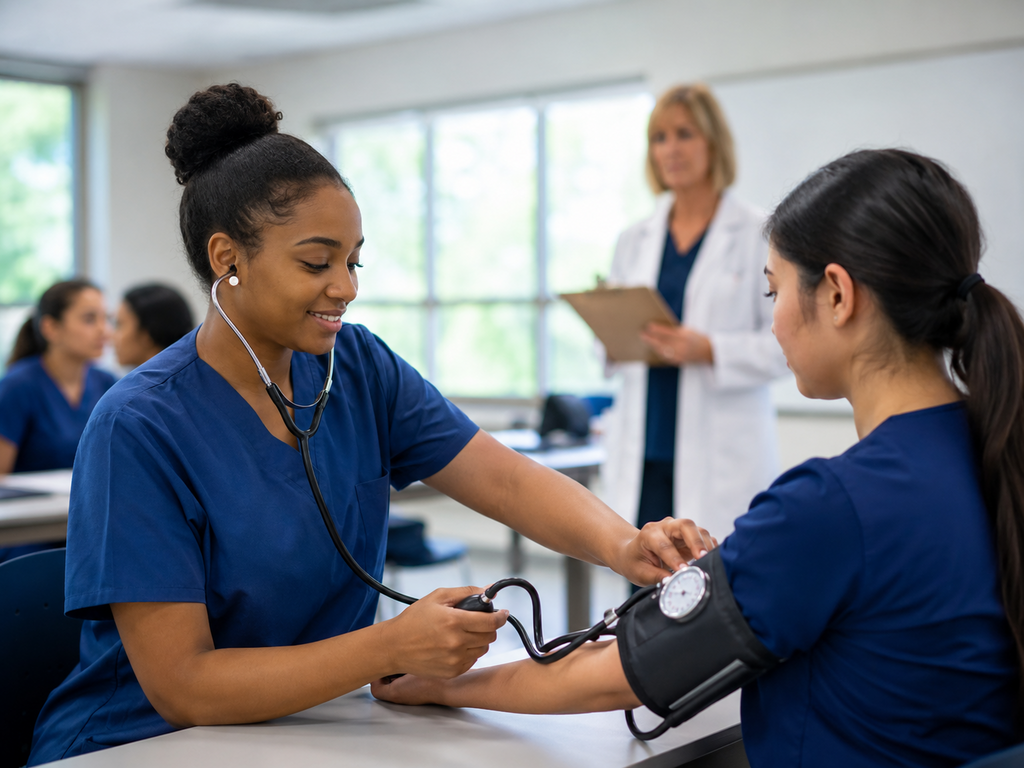
Why Hands-On Healthcare Careers Are Growing in Popularity
Healthcare is one of the few fields where compassion, technical skill, communication, and reliability all matter. Not every role requires a bachelor’s degree, but many positions do require proper training, professionalism, and the ability to work in real clinical settings.
Hands-on healthcare careers are attractive because they often offer:
- A shorter training path compared to traditional four-year degrees
- Practical skills that can be used in clinics, medical offices, and care facilities
- Opportunities to work directly with patients or healthcare professionals
- A clear entry point into the medical field
- Room to grow into more specialized healthcare roles over time
What Does “Hands-On Healthcare Career” Really Mean?
A hands-on healthcare career usually involves direct support in a medical, clinical, or care-based environment. These roles may include helping patients, preparing exam rooms, collecting information, supporting procedures, managing records, or assisting licensed professionals with daily responsibilities.
Unlike purely administrative jobs, hands-on roles often require students to learn both technical and interpersonal skills. That means training should not only explain healthcare concepts but also give students opportunities to practice.
Common hands-on career paths may include:
- Medical assistant
- Veterinary assistant
- Dental assistant
- Physical therapy aide
- Pharmacy technician
- Medical billing and coding support roles with clinical knowledge
- Surgical technology support pathways, depending on program level and requirements
Step 1: Choose a Career Path That Fits Your Personality
Before choosing a program, think carefully about the kind of work you actually want to do every day. A healthcare career is not only about job titles; it is about the environment, pace, and responsibilities that match your strengths.
Ask yourself:
- Do I enjoy helping people face-to-face?
- Am I comfortable in medical or clinical environments?
- Do I prefer working with patients, animals, records, equipment, or procedures?
- Do I want a role with both administrative and clinical duties?
- Do I want a career that could lead to future healthcare opportunities?
For example, medical assisting may be a good fit if you like patient interaction, organization, and supporting doctors or nurses. On the other hand, if you are passionate about animal care and want to work in veterinary clinics or animal hospitals, veterinary assistant programs may be a better match.
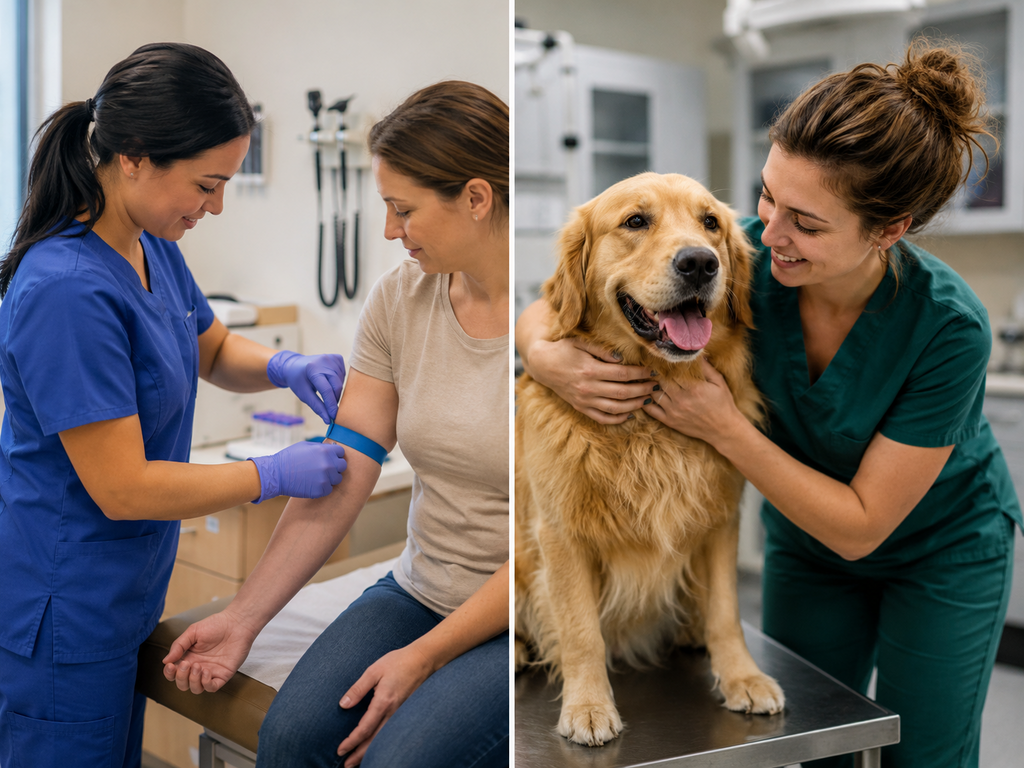
Step 2: Look for Training That Includes Practical Skills
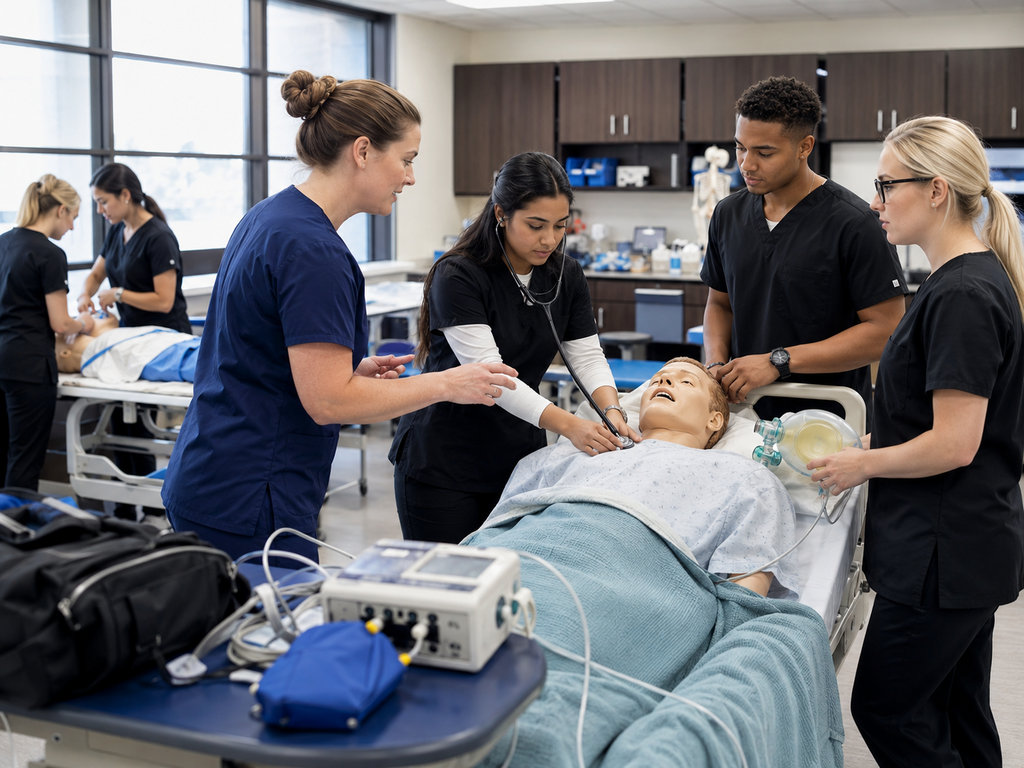
A strong healthcare training program should do more than provide textbook knowledge. Since hands-on careers involve real people, real procedures, and real workplace expectations, students need practical preparation.
When comparing programs, look for training that may include:
- Lab-based learning
- Clinical practice
- Realistic workplace simulations
- Externship or field experience opportunities
- Instruction from experienced professionals
- Career-focused curriculum
- Support with professionalism, communication, and workplace readiness
Step 3: Understand the Value of Short-Term Career Training
One of the biggest advantages of healthcare career training is that it can often be completed in less time than a four-year degree. That does not mean the training is easy or less important. It simply means the program is focused on the skills needed for a specific role.
Short-term career training can be helpful for:
- Recent high school graduates who want a faster career path
- Adults changing careers
- Parents looking for a practical schedule
- Students who want to avoid long academic programs
- People who want to enter healthcare before deciding on advanced education
Step 4: Compare Online, Hybrid, and In-Person Options
Many students today ask whether they can complete healthcare classes online. The answer depends on the program and the career path. Some academic or theory-based parts of training may be available online, but hands-on healthcare roles usually require in-person practice.
A hybrid format can be a smart solution because it may combine:
- Online coursework for flexibility
- In-person labs for skill development
- Practical training for workplace readiness
- Externship experience, when included in the program
Step 5: Evaluate the School, Not Just the Program Name
Not all training programs are the same. Before enrolling, students should review the school carefully and make sure it offers the structure, support, and practical preparation they need.
Important things to check include:
- Program length and schedule
- Campus or lab requirements
- Externship opportunities
- Student support services
- Career services
- Instructor experience
- Accreditation or approvals, where applicable
- Clear admissions and tuition information
A good school should make it easy to understand what you will study, how long it will take, what skills you will learn, and what kind of entry-level roles the program is designed to prepare you for.
Skills That Matter in Hands-On Healthcare Careers
Technical training is important, but employers also value soft skills. In healthcare settings, small details matter. Patients, doctors, coworkers, and supervisors depend on people who can stay calm, communicate well, and follow procedures carefully.
Useful skills include:
- Attention to detail
- Empathy and patience
- Time management
- Cleanliness and safety awareness
- Clear communication
- Professional behavior
- Adaptability
- Teamwork
Students who develop both technical and personal skills are often better prepared for real workplace expectations.
Can You Build a Long-Term Career Without a Four-Year Degree?
Yes, many people begin with entry-level healthcare training and grow from there. A shorter program can be the first step, not the final destination. Some students enter the workforce, gain experience, and later continue into advanced healthcare education or specialized roles.
A hands-on program can help you:
- Test your interest in the healthcare field
- Gain real-world experience
- Build confidence
- Create a foundation for future education
- Start working sooner than a traditional degree path


