Losing a significant amount of weight is a major achievement. It takes effort, patience, and real commitment to your health. Yet for many people, the journey does not end at the scale.
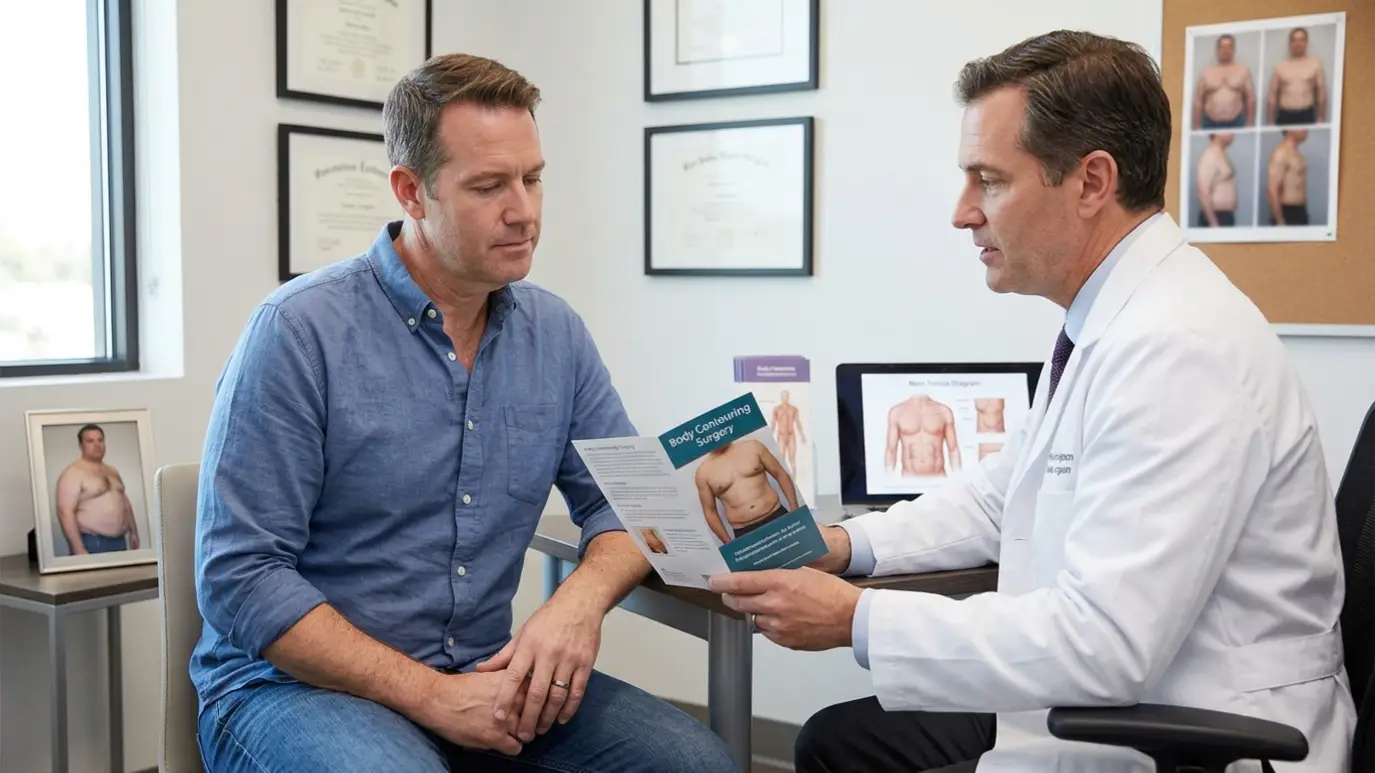
Loose, sagging skin often remains after the weight comes off. It can hang from the belly, arms, thighs, and chest. That extra skin surprises many people who expected to feel finished. For some, it becomes the next hurdle to feel truly at home in their body.
This article looks at why loose skin happens, when body contouring can help, and what to consider before taking that step. The goal is clear information so you can decide what feels right for you.
Why Loose Skin Happens After Weight Loss
Skin is remarkably stretchy, but it has limits. Years of carrying extra weight stretch the skin to fit. When the weight is lost, the skin does not always shrink back.
Several factors shape how much loose skin a person has. The amount of weight lost is one of the biggest. The speed of the loss matters too, along with age and genetics.
Here is what tends to increase loose skin:
- Large amounts of weight lost: Losing 100 pounds or more often leaves more excess skin behind.
- Rapid weight loss: Fast loss gives the skin less time to adjust gradually.
- Older age: Skin loses elasticity over time, so it bounces back less easily.
- Years at a higher weight: The longer skin stays stretched, the harder it is for it to recover.
None of these factors reflect a personal failing. They are simply how skin behaves. Recognizing them helps explain why diet and exercise alone do not solve the problem.
Skin elasticity is the key idea here. Young, healthy skin can often snap back from moderate changes. After years of stretching, though, the fibers that give skin its bounce lose their strength. Once that happens, the skin tends to stay loose no matter what you do.
The Rise of Rapid Weight Loss and Its Effect on Skin
Weight loss medications have changed the landscape in recent years. Many people now lose significant weight faster than ever before. That speed brings real benefits, but it also affects the skin.
When weight comes off quickly, the skin has little time to adapt. The result is often more loose skin than a slower loss might cause. The face can lose volume too, which some people find aging.
“We are seeing many patients who lost weight quickly and were surprised by the loose skin left behind,” says Cirujano Plástico Los Ángeles, a plastic surgery practice in Los Angeles serving Spanish-speaking patients. “They did the hard work, and now they want their body to reflect it.”
This is a common and understandable place to land. The weight loss improved their health, and the next step is feeling good in their skin. Body contouring is one way to complete that picture.
It helps to set the right expectation from the start. These medications are powerful tools for health, and the loose skin is a side effect, not a setback. Knowing it may happen lets you plan ahead rather than feel blindsided. Many people find peace of mind simply in understanding what to expect.
When Diet and Exercise Are Not Enough
A common frustration after weight loss is stubborn, hanging skin. People assume more exercise will tighten it. The hard truth is that it usually will not.
Exercise builds muscle and burns fat, but it cannot shrink excess skin. Once the skin has lost its elasticity, no workout can restore it. Strength training may help a little, yet the loose skin tends to remain.
This is not a sign that you did something wrong. You cannot exercise away skin that has nowhere to go. When that point arrives, surgery is the only reliable way to remove it. That reality is worth accepting without guilt.
Creams and topical products fall short here as well. No lotion can tighten a large amount of loose skin, despite the marketing. Saving your money and energy for a real solution makes more sense. A consultation can tell you what is actually possible for your skin.
Body Contouring Options After Weight Loss
Several procedures address loose skin after major weight loss. Each targets a specific area of the body. A surgeon often combines them based on a person’s needs.
Common options include a few familiar procedures. A tummy tuck removes the loose skin and apron that often hangs over the abdomen. An arm lift tightens sagging skin along the upper arms. A thigh lift addresses loose skin on the legs, and a breast lift restores shape lost from the chest.
Some people need more extensive work. A lower body lift treats the stomach, hips, and buttocks together. The right plan depends on where the excess skin sits and how much there is. A skilled surgeon tailors the approach to the individual rather than applying a formula.
For those with a large overhang of skin, a panniculectomy may come up. This procedure removes the heavy apron of skin that can hang below the waist. Unlike a tummy tuck, it focuses on removing that weight rather than tightening the whole area. In some cases, it is even considered medically necessary when the skin causes ongoing problems.
The Health Side, Not Just the Look
Body contouring after weight loss is often more than cosmetic. Excess skin can cause real physical problems. Many people are surprised to learn this.
Hanging skin traps moisture and rubs against itself. That friction can lead to rashes, irritation, and skin infections in the folds. The extra skin can also make exercise and daily movement harder.
“For many patients, the excess skin is not just about appearance. It causes rashes, irritation, and real discomfort,” notes the team at Cirujano Plástico Los Ángeles. “Removing it can improve both how they feel and how they live.”
This health angle changes how people view the decision. It is not vanity to address skin that causes pain or infection. For many, the relief is as meaningful as the look. That dual benefit is part of why these procedures are so common after weight loss.
Timing Matters: Wait Until Your Weight Is Stable
Timing is one of the most important parts of this decision. Surgeons advise waiting until your weight has stabilized. That usually means holding a steady weight for several months.
The reason is simple. More weight loss after surgery can create new loose skin. Weight regain can also affect the result. A stable weight protects the work and the outcome.
Nutrition is part of the picture too. People who lost weight quickly may have gaps in their nutrition. Strong nutrient levels support healing and a smoother recovery. A surgeon may check on this before scheduling anything.
There is no need to rush the timeline. The right moment is when your weight is steady and your health is strong. Waiting for that window gives you the best and most lasting result.
Recovery also deserves planning, since these can be significant procedures. Larger combinations of lifts may need more downtime than people expect. Arrange help at home and clear your schedule for the early healing period. A realistic recovery plan makes the whole experience far smoother.
Choosing the Right Surgeon
The choice of surgeon shapes both your safety and your result. Look for a board-certified plastic surgeon with experience in post-weight-loss patients. That experience changes how they plan and operate.
“Weight-loss patients have unique needs, so experience with this group matters,” says the team at Cirujano Plástico Los Ángeles. “The plan has to account for skin quality, nutrition, and a stable weight before anything else.”
Ask about their work with patients who have lost significant weight. Request before and after photos of similar cases. A surgeon who communicates clearly and never rushes you has earned your trust. That comfort is part of good care.
A Step in the Journey, Not the Finish Line
Body contouring is one chapter in a larger health story. The weight loss itself is the foundation, and the surgery refines the result. Both deserve credit for the transformation.
The decision to pursue it is deeply personal. Some people feel ready and eager, while others choose to wait or skip it. Both choices are valid and worthy of respect.
If you do explore your options, take your time and gather good information. Talk to qualified providers and ask plenty of questions. The goal is a choice you feel calm and confident about.
You did the hard work of improving your health. Whatever you decide next, that accomplishment stands on its own. The best path forward is the one that helps you feel your strongest and most comfortable in your body.