

For many people, weight loss feels like a never-ending cycle of trying new diets, exercising harder, and wondering why nothing seems to work. You might count calories carefully, avoid certain foods, or add more workouts to your routine—only to see minimal results. If this sounds familiar, you are far from alone.
One primary reason weight loss often feels confusing and frustrating is that most standard advice focuses only on what you eat and how much you move. But there is another essential piece of the puzzle that many overlook: your gut health. The digestive system is not just responsible for breaking down food; it plays a decisive role in metabolism, inflammation, nutrient absorption, mood, and even hunger signals. When the gut is out of balance, losing weight can feel almost impossible, no matter how disciplined you are. Understanding how gut health influences your body may give you new clarity—and may help you finally see progress where you haven’t before. This article explores how the gut works, what affects it, why it matters for weight loss, and practical steps you can take to support it.
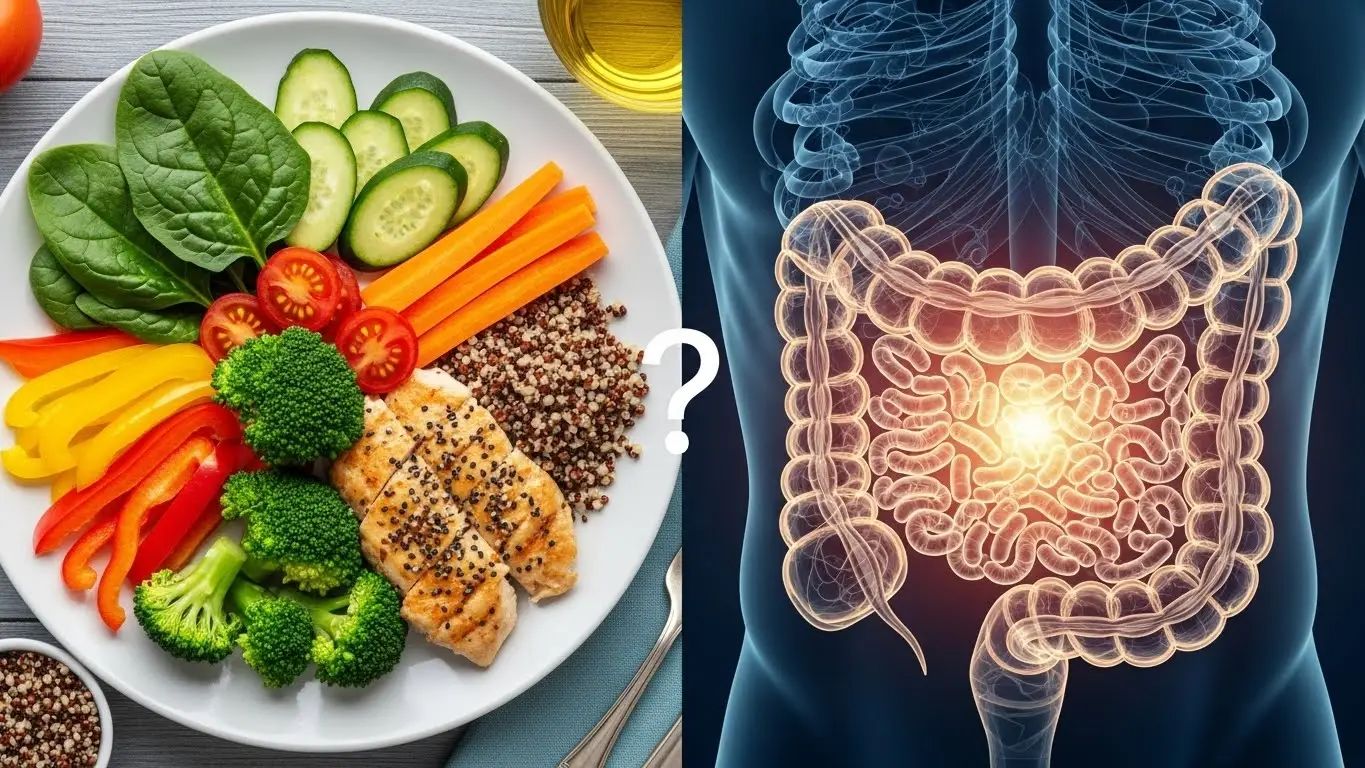
Your Gut Is More Than a Digestion Machine
When people think of gut health, they often think of stomachaches, bloating, constipation, or acid reflux. But the gut is far more complex than most realize. It contains trillions of bacteria, fungi, and other microorganisms that work together to support digestion, immunity, energy production, hormone regulation, and emotional well-being.
This community of organisms is called the gut microbiome, and scientists now understand that its balance—or imbalance—affects almost every part of the body. A healthy microbiome helps regulate metabolism, convert food into usable energy, and keep inflammation under control. An unhealthy one can trigger digestive issues, disrupt hunger signals, contribute to weight gain, and make it harder to lose weight even when you’re trying your best.
How Gut Health Influences Weight Loss
Most people don’t realize that weight loss is deeply connected to what happens in the digestive tract. Here’s why:
- Your microbiome affects how your body processes food. Some gut bacteria help you absorb nutrients efficiently, while others can cause your body to store more fat.
- Inflammation slows down metabolism. Poor gut health often leads to chronic inflammation, making it harder for the body to burn calories effectively.
- Gut imbalances affect hunger hormones. The gut communicates directly with the brain, telling you when you are hungry or full. An unhealthy gut can send confusing signals, triggering cravings or overeating.
- Stress responses start in the gut. When the digestive system is overwhelmed, stress hormones rise, making weight loss more difficult.
With all this in mind, it’s easy to understand why improving gut health can make weight loss easier, more sustainable, and less frustrating. Furthermore, families and individuals who struggle with digestive issues often want to understand all of the options available to them. For some, learning about digestive-friendly medication options for weight loss is an integral part of building a safe and effective weight management plan that doesn’t worsen digestive discomfort. However, while some medications support digestion or regulate blood sugar, which can indirectly improve gut balance and metabolic efficiency, some may unintentionally disrupt gut health. In fact, some drugs can alter the microbiome, reduce stomach acid, or slow down digestion, sometimes leading to bloating, discomfort, or changes in appetite. Understanding how medications interact with gut health allows individuals and families to make more informed decisions about their weight loss plan.
Signs Your Gut May Be Affecting Your Weight
Because the gut does so much, it’s not always easy to tell when something is wrong. But there are clear signs that your digestive system may be interfering with your weight loss efforts:
- Frequent bloating or gas
- Constipation or diarrhea
- Food sensitivities that seem to get worse over time
- Fatigue after eating
- Intense cravings, especially for sugar or processed foods
- Skin flare-ups such as acne or eczema
- Mood swings, anxiety, or trouble concentrating
- Difficulty losing weight despite consistent habits
These symptoms don’t just point to digestive discomfort—they can signal imbalances that make weight loss significantly harder.
How Your Digestive System Impacts Hunger and Cravings
Your digestive system plays a decisive role in shaping hunger and cravings through the gut–brain axis, a communication network that constantly sends signals influencing appetite, fullness, and even emotional eating. When the gut is healthy, it helps regulate key hormones such as ghrelin, which triggers hunger; leptin, which signals fullness; and serotonin, which affects mood and can reduce stress-driven eating. But when the microbiome becomes imbalanced, these signals can get crossed, leading to hunger shortly after meals, unexpected cravings, or using food for comfort. Often, what feels like a lack of willpower is simply a gut trying to communicate through mixed or dysregulated signals.
Foods That Support a Healthy Gut
Improving gut health doesn’t require complicated changes, as many everyday foods can help nurture a balanced microbiome. Incorporating more fiber-rich options like vegetables, beans, whole fruits, oats, and barley, along with fermented foods such as yogurt, kefir, sauerkraut, and kimchi, can strengthen beneficial bacteria. Prebiotic foods like garlic, onions, leeks, bananas, and asparagus further feed this healthy ecosystem, while anti-inflammatory choices such as leafy greens, berries, and omega-3-rich fish help calm the gut and support smoother digestion. At the same time, limiting highly processed foods, artificial sweeteners, excess sugar, fried foods, and heavy alcohol intake can prevent irritation of the gut lining and reduce the growth of harmful bacteria.
Lifestyle Habits That Improve Gut Health
Food is just one part of supporting digestion. Your everyday habits also have a significant impact on how your gut functions.
Here are some helpful habits to consider:
- Move your body regularly. Gentle walks, stretching, or more structured activities help keep the digestive system active.
- Stay hydrated. Water supports digestion, nutrient absorption, and regular bowel movements.
- Prioritize sleep. The gut repairs itself while you sleep. Poor rest can worsen gut symptoms and increase cravings.
- Manage stress. Stress affects the gut instantly and can lead to digestive discomfort and overeating.
- Eat slowly. Chewing food thoroughly improves digestion and reduces bloating.
Small changes can produce noticeable improvements in how your gut—and your body—feel day to day.
Healing the Gut Helps Heal the Whole Body
If you’ve struggled to lose weight despite trying multiple diets or programs, your gut may be the missing piece. A balanced, nourished digestive system supports metabolism, reduces inflammation, regulates hunger, and helps the entire body function more efficiently. While improving gut health won’t give you overnight results, it can transform how you feel, how your body responds to food, and how easily you maintain a healthy weight in the long run. By supporting your microbiome, choosing whole foods, managing stress, and understanding all available tools, you give yourself a stronger, more sustainable foundation for weight loss success.