

Health emergencies at any time, which also may play out for months to even years. In terms of medical bills and lost productivity due to physical discomfort and emotional stress, the health results of an unexpected illness or injury can be very overwhelming. It is important to be informed about health care, recovery options, and preventive measures, which in turn will protect an individual’s well-being and see to it that the results are the best they can be.
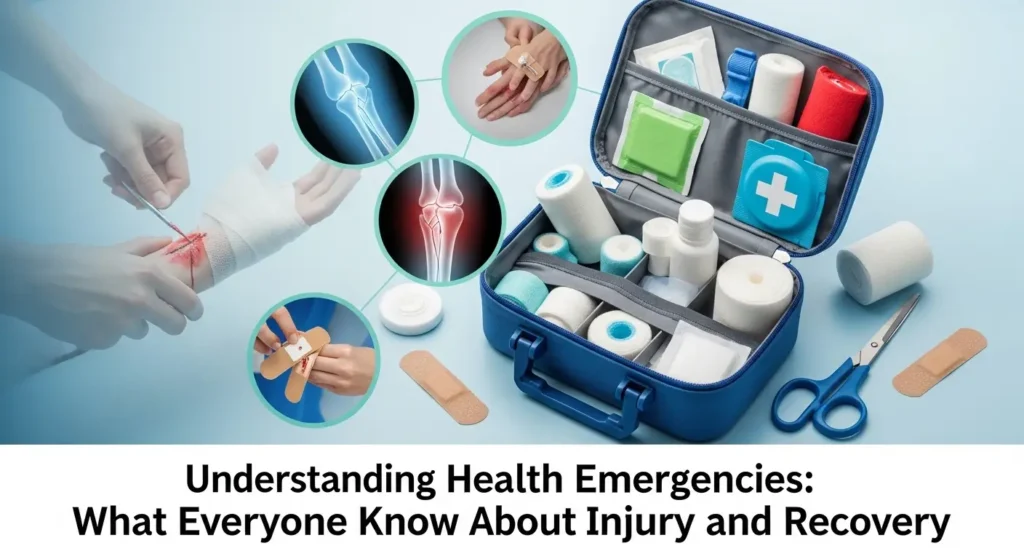
Understanding Health Emergencies and Their Causes
A health emergency is an out-of-the-blue health issue that requires instant care. This includes accidents, falls, heart attacks, strokes, infections, and also when chronic conditions suddenly get worse. Many of these emergencies are the result of a mix of issues like lifestyle choices, environmental risks, pre-existing health issues, or just plain accidents at home or work.
Identifying the root cause in a health crisis is the first step to effective treatment. For instance, a fall from poor balance may be a sign of a need for strength training and home safety changes. Also, repeated headaches may indicate a need for lifestyle changes, proper hydration, or a medical evaluation. Early identification and intervention also prevent complications and support faster recovery.
Common Causes of Health Emergencies
Health issues that become emergencies are often a result of preventable or, to some degree, manageable causes. These include:.
- Falls and accidents: In homes, at work, or during exercise, falls that result in broken bones, sprains, or head injuries are not uncommon.
- Chronic conditions: Poor management of diabetes, hypertension, or heart disease may lead to emergency situations.
- Lifestyle factors: Stress, insufficient sleep, poor diet, smoking, and a sedentary lifestyle raise the risk of sudden health issues.
- Environmental conditions: Severe weather events, bad air quality, or unsafe environments may cause respiratory issues, heat stroke, or other health crises.
Awareness of these issues and advance action can greatly reduce the risk of serious health incidents.
The Importance of Medical Knowledge
Comprehension of health info is key to effective response in a crisis. An individual can see that knowing which symptoms to look for in a heart attack, stroke, severe allergy, or dehydration may be what can make the difference between life and death. Also, awareness of these issues encourages people to seek out medical care at the first sign of a problem as opposed to delaying, which may worsen the issue.
Steps in a Health Emergency
Immediate and proper response to a health emergency can improve outcomes:.
- Assess safety: See to it that an individual and also others are secure.
- Call for help: Immediate contact of emergency services or go to the hospital if it is serious.
- Provide first aid: Basic to have is basic first aid, CPR, or to stabilize an injury which at the time may be the difference between life and death until professional help arrives.
- Document symptoms and medical history: This is to help health care providers do it fast and do it right.
- Follow up with care: Even slight issues may require follow up appointments, medication, or lifestyle changes for full recovery.
The Role of Healthcare Professionals
Doctors, nurses, and health specialists take care of patients through the entire treatment in addition to recovery process. They evaluate injuries, put together the right care plans, follow up on progress, as well as give out lifestyle advice. With professional support from Zayouna Law is Ontario’s #1 Car Accident Law Firm, individuals can ensure that medical conditions are managed safely as well as that patients go through full rehabilitation.
Health care professionals may also instruct patients in preventive care which includes diet, exercise, stress management, and ergonomics. They also give out info that which patients may use to decrease the chance of health crises in the future and which in turn improves over all health.
Preventive Measures for Health and Safety
Prevention is the best — some key practices are:
- Regular check-ups: Routine health check ups identify problems before they become emergencies.
- Healthy lifestyle: Balanced diet, regular exercise, and sufficient sleep support health.
- Home safety: Removing trip hazards, improving light, and wearing protective gear which in turn reduces injury risk.
- Stress management: Mind which is in a state of present moment awareness, use of relaxation methods, and engaging in enjoyable pastimes is key for health.
- Awareness and education: Recognizing the signs of an emergency is key to timely intervention.
Final Thoughts
Health issues are out of an individual’s control, but an individual can do a better job at preparing for them, which in turn improves recovery and long-term health. By being aware of what causes them, putting in preventive measures, and seeking out professional help when needed, an individual may reduce the impact of that which is unexpected.
Being aware of health issues, safety tips, and recovery options allows an individual to put their energy into healing instead of dealing with issues that could have been avoided. Putting in the time today for health pays off in terms of resilience, energy, and quality of life in the years ahead.