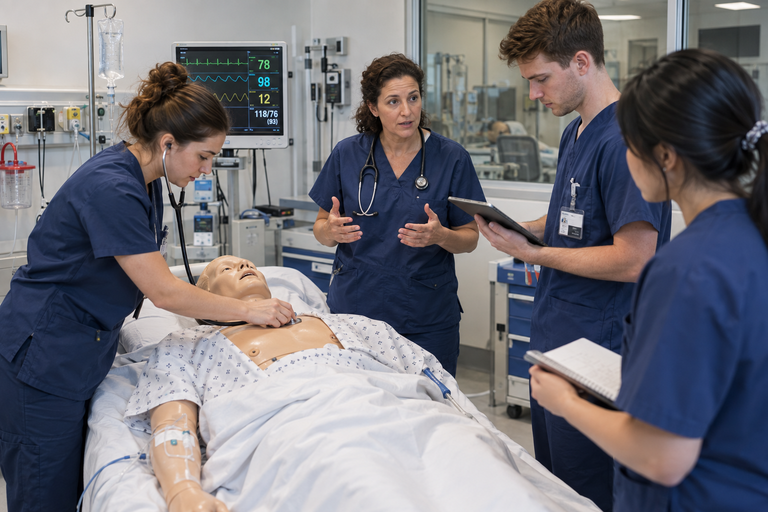
Healthcare has changed a lot over the years, and one of the biggest reasons is technology. From patient monitors to imaging machines, modern medicine relies heavily on equipment that needs to work perfectly every time. Behind the scenes, there are skilled professionals making sure everything runs smoothly. That’s where biomedical equipment technicians come in.
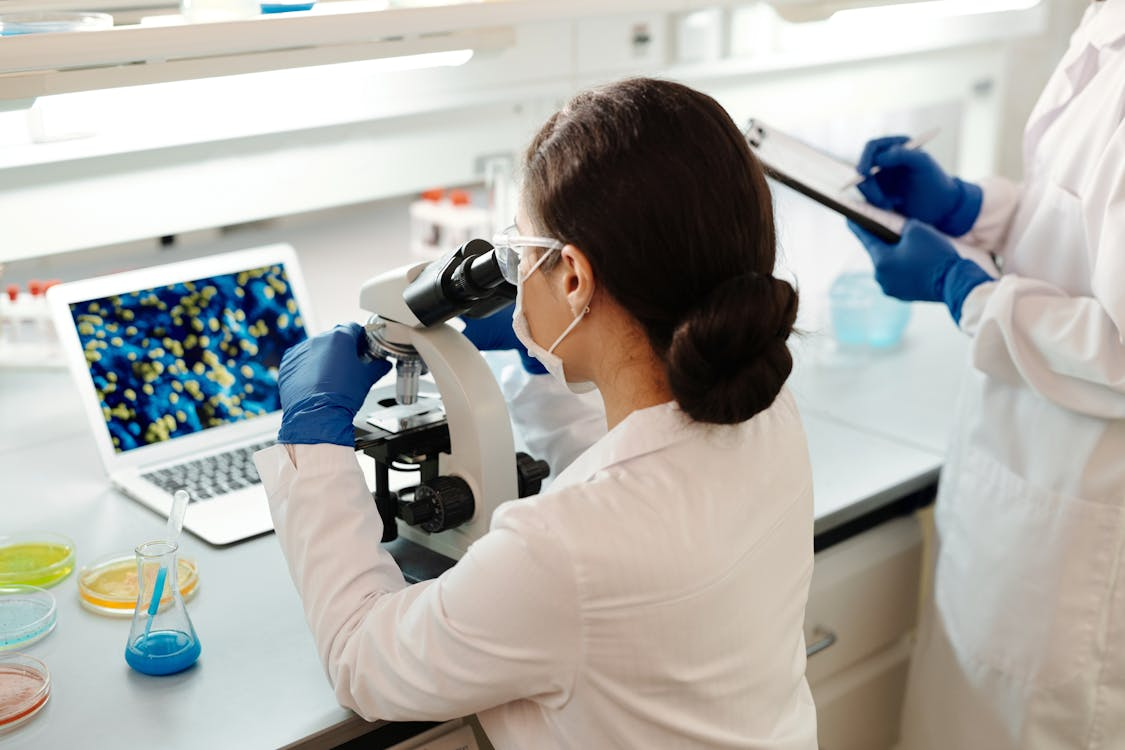
These professionals don’t just fix machines. They help keep hospitals and clinics running safely. If a piece of equipment stops working, it can delay treatment or even put patients at risk. That’s why the role requires a mix of technical knowledge, attention to detail, and problem-solving skills.
Getting into this field isn’t just about having an interest in technology. It’s about building the right set of skills through proper training and experience. Once you understand what it takes, it becomes clear why education plays such a big role in preparing for this career.
Building a Strong Foundation Through Education
One thing you realize early on is that biomedical technology isn’t something you can just pick up on your own. It requires structured learning and hands-on practice. You need to understand how different types of medical equipment work, how to troubleshoot issues, and how to follow safety standards.
That’s why enrolling in a Biomedical Equipment Tech program can be a great starting point. Programs like this are designed to teach both the theory and the practical side of the field. Students learn about electronics, medical devices, and system maintenance, while also getting hands-on experience that prepares them for real-world situations.
What you’ll find especially helpful about these types of programs is how they connect learning to actual job tasks. It’s not just about reading from a textbook—you’re working with equipment, understanding how it functions, and learning how to fix it when something goes wrong. This kind of training builds confidence and makes the transition into the workforce much smoother.
In the end, having a strong educational foundation makes all the difference. It sets you up with the knowledge and skills you need to succeed from day one.
Technical Skills: Understanding Medical Equipment
At the core of this field are technical skills. You need to understand how different types of medical equipment operate, from simple devices to more complex systems. This includes things like patient monitors, diagnostic machines, and imaging equipment.
I’ve noticed that having a basic understanding of electronics is essential. Many devices rely on circuits, wiring, and software, so knowing how these parts work together is a big advantage. Mechanical skills also come into play, especially when dealing with moving components or structural issues.
Troubleshooting is another key part of the job. When something stops working, you have to figure out why. That means testing different parts, identifying the problem, and finding the right solution. It’s a hands-on process that requires both knowledge and patience.
Technology in healthcare is always evolving, so staying updated is just as important as learning the basics. The more familiar you are with new systems, the more valuable you become in this field.
Problem-Solving and Critical Thinking
If there’s one skill that stands out in biomedical technology, it’s problem-solving. Equipment doesn’t always fail in obvious ways. Sometimes the issue is small or hidden, and it takes careful thinking to figure it out.
I’ve seen situations where quick decisions make a big difference. In a hospital setting, time matters. If a machine is down, it can affect patient care. Being able to think clearly under pressure and find a solution quickly is incredibly important.
Critical thinking also helps when dealing with complex systems. You need to look at the bigger picture and understand how different parts are connected. This helps you avoid making mistakes and ensures that repairs are done correctly.
Over time, these skills become stronger with experience. The more problems you solve, the better you get at recognizing patterns and finding solutions faster.
Communication and Interpersonal Skills
This might not be the first thing that comes to mind, but communication is a big part of the job. Biomedical technicians often work closely with doctors, nurses, and other healthcare staff.
I’ve realized that being able to explain technical issues in simple terms is really important. Not everyone understands how medical equipment works, so it’s your job to make things clear. Whether you’re explaining a problem or giving instructions, good communication helps everything run smoothly.
Teamwork is also a big factor. Hospitals and clinics rely on collaboration, and being easy to work with makes a difference. Being reliable, respectful, and professional helps build trust with the people you work with.
Strong interpersonal skills don’t just make your job easier—they also make you a better part of the healthcare team.
Attention to Detail and Safety Awareness
In this field, small details matter. Even a minor mistake can lead to bigger problems, especially when dealing with equipment used for patient care.
I’ve learned that paying close attention to every step is essential. Whether you’re inspecting a device, making a repair, or running a test, accuracy is key. Missing something small could affect how the equipment performs.
Safety is another major concern. Biomedical technicians must follow strict guidelines to ensure that everything meets proper standards. This includes handling equipment carefully and making sure it operates safely for both patients and staff.
Being detail-oriented and safety-focused helps prevent issues and ensures that everything works as it should.
Adaptability and Continuous Learning
One thing that stands out about this field is how quickly it changes. New technology is constantly being introduced, and staying up to date is part of the job.
I’ve noticed that the most successful people in this field are the ones who are willing to keep learning. Whether it’s taking additional courses, attending training sessions, or simply staying curious, continuous learning helps you stay ahead.
Adaptability is just as important. Not every day will be the same, and you may face new challenges that require different approaches. Being open to change and willing to learn new systems makes a big difference in long-term success.
Biomedical technology is a field that combines technical skills with real-world impact. It’s not just about fixing machines. It’s about supporting healthcare and making sure patients receive the care they need.
From my perspective, the key to success lies in building a strong foundation, developing practical skills, and staying committed to learning. Technical knowledge, problem-solving, communication, and attention to detail all play a role in shaping a successful career.
For anyone considering this path, investing in the right education and training is the first step. Once you have that foundation, the opportunities are wide open. It’s a career that not only offers stability but also gives you the chance to make a meaningful difference every day.