Even find yourself reaching for something sweet – even when you’re not really hungry? This is a sugar craving. You aren’t alone in this, with one in four people adding sugar to foods that don’t even need it.
Sugar cravings feel like a simple lack of willpower at times, but in many cases, your body is trying to tell you something deeper. There might be an underlying health issue at play – particularly if those cravings seem constant or hard to control.
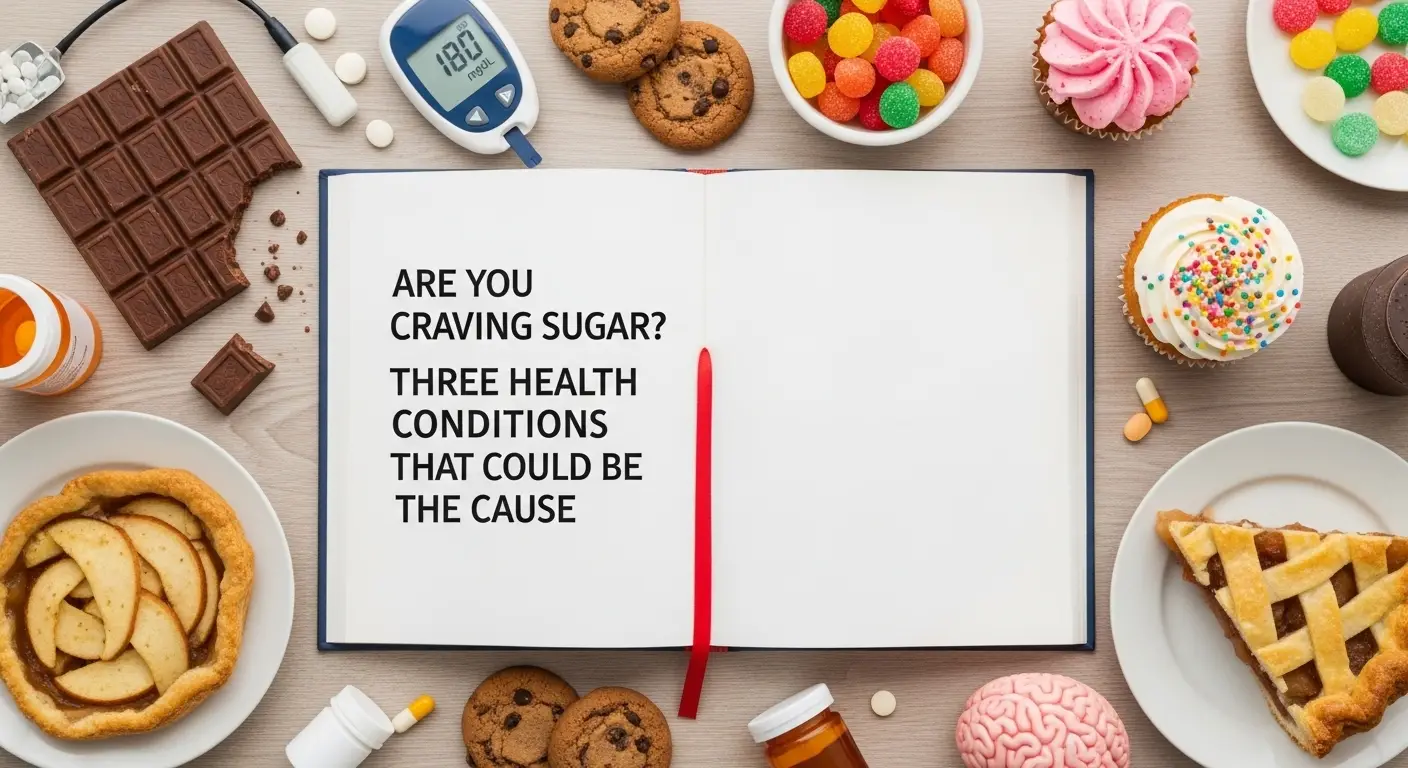
Here are three common conditions that could be driving your sugar cravings – and what they might mean for your body.
Insulin Resistance
Insulin. Chances are you’ve heard of it. This is the hormone that helps your body regulate blood sugar levels. You might be wondering, “What does insulin resistance mean?” Well, that usually means your cells have stopped responding properly to insulin. As a result, your blood sugar fluctuates more than it should.
These ups and downs – or fluctuations – then trigger intense cravings. You’ll crave foods that provide quick energy – or, simply put, sugary foods. You might notice a cycle where you eat something sweet. You feel a temporary boost afterward. Then crash, only to crave more sugar again. This is one of the most common insulin resistance symptoms in females.
Other signs of insulin resistance include:
- Fatigue
- Difficulty losing weight
- Increased hunger
If this sounds familiar, it might be worth looking at your meals. Do you eat a balanced diet? Or could you make improvements? Try eating more protein, fiber, and healthy fats. Such adjustments help to stabilize blood sugar levels and reduce those cravings over time.
Chronic Stress
Stress doesn’t just affect your mood. People often forget that it actually has a direct impact on your body’s chemistry. When you’re under constant stress, your body releases cortisol – the “stress hormone.”
Your appetite increases due to elevated cortisol levels. You’ll crave high-sugar, high-fat foods. This is your body’s way of seeking quick energy to cope with perceived threats. Of course, don’t make the mistake of thinking these so-called “threats” are real – they could be as ordinary as lack of sleep and work deadlines. Your body is basically trying to protect you.
If your sugar cravings tend to spike during stressful periods, take it as a sign. Your body is overwhelmed. Find ways to manage stress – better sleep, regular movement, or short breaks throughout the day. This makes a noticeable difference in both your cravings and overall wellbeing.
Hormonal Imbalances
As with everything else, hormones play a part here, too. They regulate hunger, appetite, and cravings. When they fall out of balance, your body sends mixed signals – and this leads to increased desire for sugar.
Fluctuations in hormones related to the menstrual cycle, for instance, causes stronger cravings at certain times of the month. So, it could be said that there is some truth in a woman’s cravings for chocolate during menstruation – but other factors might apply.
Similarly, imbalances in leptin (which signals fullness) and ghrelin (which signals hunger) makes it harder to feel satisfied after eating.
Cravings when paired with mood swings and low energy are typically because of this. Support hormonal balance here. The right eating habits, adequate sleep, and managing stress will help.
To conclude, sugar cravings aren’t always just about willpower – they could be your body’s way of asking for support. If you notice persistent or extreme cravings, then it might be time to visit your doctor – they’ll help you get to the root cause of the problem.