TL;DR: Tretinoin vs adapalene comes down to strength and tolerance – tretinoin is stronger and prescription-only, while adapalene is gentler and available over the counter. Choose based on your skin’s needs and how much irritation you can handle.
If you’ve been searching for a retinoid to help clear your breakouts, you’ve probably come across the tretinoin vs adapalene debate time and again. Both are vitamin A derivatives that help unclog pores, speed up skin cell turnover, and reduce inflammation. But while they’re part of the same family, they’re not identical twins.
Understanding the differences can help you decide whether to go for the over-the-counter ease of adapalene or the prescription strength of tretinoin, and how to get the best results from either. Want to know which one belongs in your routine? Then read on…
Choosing Between Tretinoin vs Adapalene for Acne
So, how do you choose between tretinoin vs adapalene? Both deal with the causes of acne rather than sorting out the surface redness. They also both help prevent dead skin cells from clumping inside your pores, making it more difficult for oil and bacteria to survive long enough to cause problems.
The big difference comes down to potency. Tretinoin is stronger and not only helps with acne but can also improve signs of sun damage, fine lines, and uneven skin tone. Adapalene, on the other hand, is gentler and often better tolerated, making it a solid first choice for people new to retinoids.
The Case for Tretinoin
Dermatologists often reach for tretinoin when someone’s breakouts are moderate to severe or when anti-aging is also on the wishlist. Because it’s more concentrated, it means it can deliver results faster, but that also means you’re more likely to have dry, flaky skin in those first few weeks.
Tretinoin requires a prescription in the US, so you’ll need to see a healthcare provider. That consultation can be useful, though, because you’ll get a treatment plan that’s tailored to your skin type and goals.
The Case for Adapalene
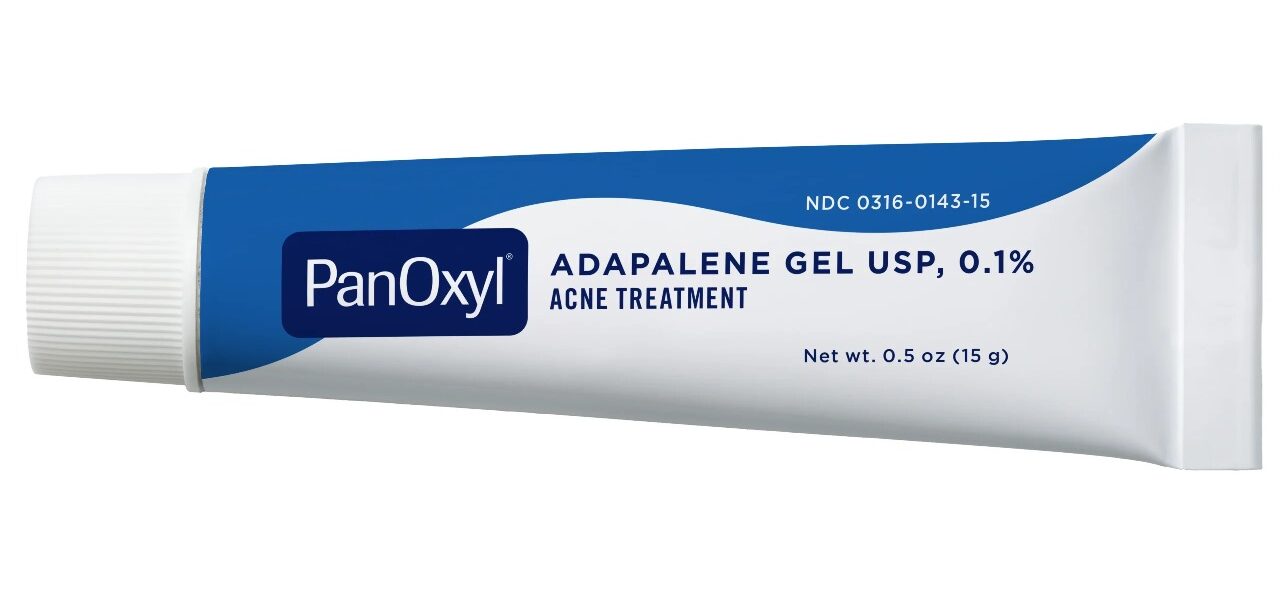
Adapalene’s claim to fame is accessibility. You can buy it in 0.1% strength at most drugstores, no prescription needed. It’s still an effective acne treatment, especially for blackheads, whiteheads, and mild to moderate inflammatory breakouts.
Because it’s less irritating than tretinoin, many dermatologists recommend starting with adapalene to “train” your skin before moving up to stronger retinoids. It’s also stable in sunlight and can be used alongside benzoyl peroxide – something tretinoin doesn’t play well with.
Side Effects: What to Expect
No matter which you choose, a little irritation at first is normal. Both can cause dryness, mild peeling, and sensitivity to sunlight. The key is pacing yourself. Use a pea-sized amount for your whole face, apply at night, and follow up with a good moisturizer.
If irritation becomes more than you can handle, scale back to every other night until your skin adjusts. And always, always wear sunscreen during the day.
Tretinoin vs Adapalene? That Depends On Your Skin
Whether you land on tretinoin or adapalene, consistency is what will get you results. Both work best when used regularly and supported by a simple, gentle routine. If you’re leaning toward an OTC start, a PanOxyl Leave-On Gel offers a dermatologist-developed formula that targets acne at its source while staying gentle enough for daily use.
Just remember that you need to be patient and keep using the product as the label states. Do that and you might be surprised at how much clearer and smoother your skin can look.
The source of this information is DR. Gina Sam.