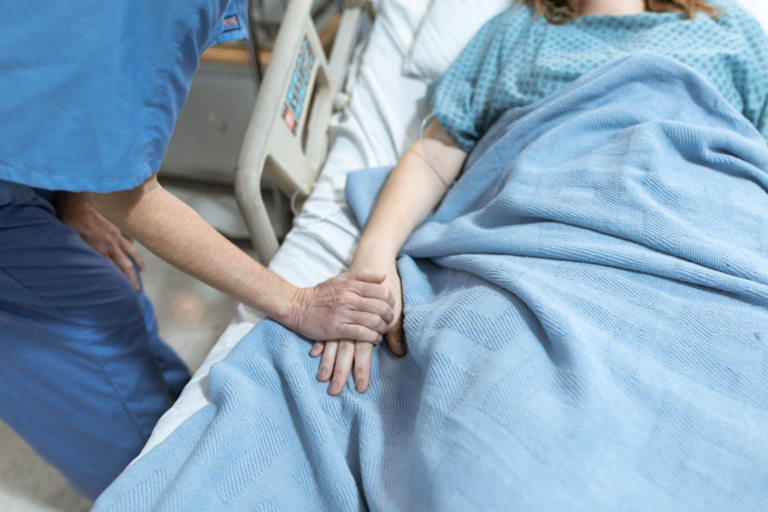
Humanitarian medical aid strengthens communities by improving healthcare access, reducing disease outbreaks, and supporting emergency medical response systems. Medical assistance programs provide treatment, preventive care, maternal health services, vaccinations, and mental health support in underserved regions. According to the World Health Organization, healthcare accessibility directly improves life expectancy and community stability.
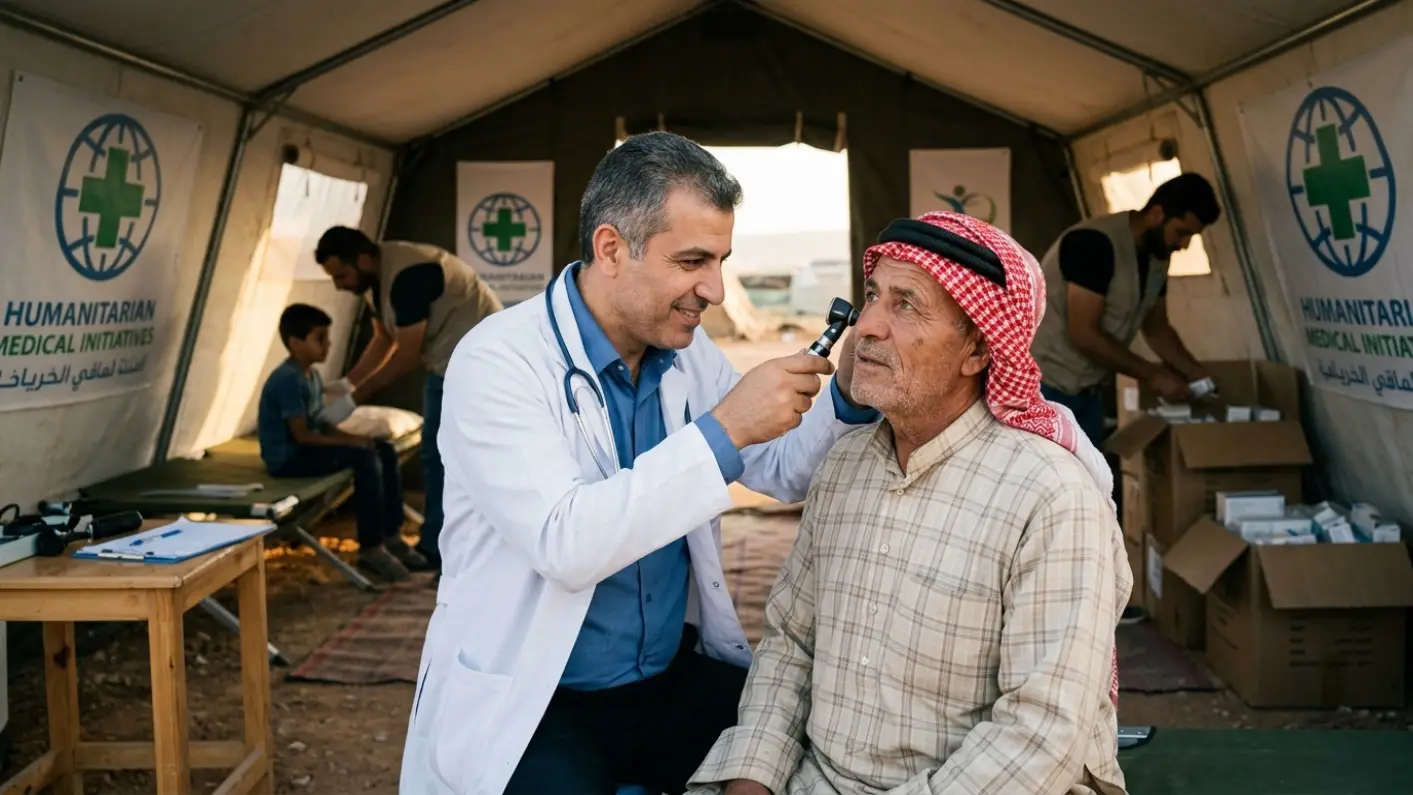
Communities affected by poverty, conflict, natural disasters, and limited healthcare infrastructure depend on humanitarian organizations for consistent medical support. Organizations such as the International Committee of the Red Cross, Doctors Without Borders, and the United Nations Children’s Fund deliver healthcare resources, trained personnel, and emergency supplies to vulnerable populations. These interventions reduce mortality rates and improve long term public health outcomes.
Humanitarian medical aid also strengthens healthcare education and workforce development. Community health workers, nurses, and physicians receive clinical training that improves local healthcare systems. This sustainable approach increases healthcare resilience and supports disease prevention across both rural and urban populations.
What is humanitarian medical aid?
Humanitarian medical aid is organized healthcare assistance provided to communities affected by crises, poverty, disasters, or limited medical infrastructure.
Humanitarian medical aid includes emergency treatment, vaccination programs, maternal healthcare, nutrition support, surgical services, and disease prevention initiatives. Medical organizations deploy healthcare professionals, medicines, mobile clinics, and diagnostic equipment to areas facing healthcare shortages. According to the World Health Organization, humanitarian healthcare interventions reduce preventable deaths during emergencies and public health crises.
Healthcare entities involved in humanitarian aid include hospitals, nonprofit organizations, government agencies, and volunteer medical teams. These entities collaborate to improve healthcare access and stabilize community health systems. Medical relief operations also support clean water access, sanitation services, and health education programs because environmental health conditions directly affect disease transmission.
How does humanitarian medical aid strengthen communities?
Humanitarian medical aid strengthens communities by improving healthcare access, reducing disease transmission, and supporting long term public health stability.
Medical assistance programs reduce mortality rates by treating infectious diseases, injuries, and chronic health conditions. Vaccination campaigns prevent outbreaks of measles, polio, cholera, and malaria in vulnerable populations. According to the United Nations Children’s Fund, immunization programs save millions of lives each year through preventive healthcare strategies.
Healthcare services also improve economic and social stability within communities. Healthy populations maintain workforce participation, educational attendance, and family care responsibilities more effectively. Medical support programs reduce healthcare inequality by delivering services to remote villages, refugee camps, and disaster affected urban areas.
Community trust increases when healthcare systems remain reliable during emergencies. Medical outreach teams establish local partnerships with schools, clinics, and community leaders to improve healthcare awareness. This collaboration strengthens healthcare communication networks and increases participation in preventive medical programs.
What types of healthcare services are included in humanitarian medical aid?
Humanitarian medical aid includes emergency care, preventive healthcare, maternal services, mental health support, and infectious disease treatment.
Different healthcare services address specific medical challenges within affected communities. Each service improves public health outcomes and supports healthcare system stability.
What is emergency medical care in humanitarian aid?
Emergency medical care provides immediate treatment for injuries, trauma, infections, and life threatening conditions during crises.
Emergency response teams operate in conflict zones, earthquake regions, flood affected communities, and refugee settlements. Healthcare professionals perform trauma surgery, wound treatment, infection management, and critical care stabilization. According to the International Committee of the Red Cross, emergency healthcare response reduces mortality during humanitarian disasters.
Mobile clinics and temporary field hospitals improve healthcare accessibility in damaged or isolated regions. Emergency logistics systems transport blood supplies, antibiotics, surgical equipment, and medical oxygen to treatment centers. These coordinated systems improve survival rates during public health emergencies.
What role does maternal and child healthcare play in humanitarian aid?
Maternal and child healthcare protects pregnant women, newborns, and children through medical monitoring, nutrition support, and vaccination services.
Prenatal care programs monitor maternal health conditions such as anemia, hypertension, and infections. Skilled birth attendants improve childbirth safety and reduce maternal mortality rates. According to the World Health Organization, maternal healthcare access significantly lowers preventable pregnancy related deaths.
Child healthcare services include nutrition screening, vaccination campaigns, and pediatric treatment programs. Humanitarian organizations distribute therapeutic foods and vitamin supplements to combat childhood malnutrition. These interventions improve immune system function and child development outcomes.
How does mental health support improve humanitarian healthcare?
Mental health support improves emotional recovery, trauma management, and psychological stability within affected communities.
Conflict, displacement, disease outbreaks, and natural disasters increase psychological stress and post traumatic conditions. Mental health specialists provide counseling, psychosocial support, and community therapy services. According to the World Health Organization, mental healthcare remains an essential component of humanitarian response systems.
Community based mental health programs strengthen social resilience and reduce long term psychological harm. Healthcare workers train local volunteers to identify stress related disorders and provide emotional support services. These programs improve recovery outcomes among displaced families and disaster survivors.
Why is healthcare accessibility important for underserved communities?
Healthcare accessibility is important because underserved communities experience higher disease rates, limited treatment access, and preventable mortality.
Rural regions, refugee camps, and low income urban areas often lack hospitals, physicians, and diagnostic equipment. Limited healthcare infrastructure delays treatment for infections, chronic diseases, and maternal complications. According to the National Institutes of Health, healthcare accessibility directly affects disease prevention and treatment success.
Humanitarian healthcare programs reduce geographic and financial healthcare barriers. Mobile medical units travel to isolated communities where transportation systems remain limited. Community clinics provide vaccinations, laboratory testing, medications, and preventive care services without high treatment costs.
Healthcare accessibility also improves educational and economic conditions. Healthy children attend school more consistently, while healthy adults maintain employment opportunities and family responsibilities. Strong healthcare systems contribute to social stability and community development.
How do humanitarian organizations coordinate medical relief operations?
Humanitarian organizations coordinate medical relief operations through logistics systems, healthcare partnerships, emergency response teams, and resource distribution networks.
Medical coordination systems manage the transportation of medicines, vaccines, surgical supplies, and healthcare personnel. Relief organizations collaborate with local governments, hospitals, and international agencies to improve healthcare efficiency. According to the United Nations Office for the Coordination of Humanitarian Affairs, coordinated healthcare operations improve emergency response effectiveness.
Healthcare data collection also supports medical planning and disease monitoring. Epidemiologists track infection patterns, vaccination coverage, and treatment outcomes to guide healthcare interventions. These surveillance systems strengthen outbreak prevention and resource allocation.
Training programs improve healthcare workforce capacity within affected regions. Local nurses, paramedics, and community health workers receive instruction in emergency care, disease prevention, and patient management. This approach supports sustainable healthcare development after humanitarian missions conclude.
How does islamic medicine contribute to humanitarian healthcare?
islamic medicine contributes to humanitarian healthcare through ethical medical practices, charitable healthcare systems, and community focused treatment principles.
Historical Islamic healthcare institutions established hospitals, surgical centers, pharmacies, and medical education systems across regions such as Baghdad, دمشق, and Córdoba. Physicians including Ibn Sina and Al Zahrawi advanced clinical medicine, surgery, pharmacology, and infectious disease management. According to UNESCO, classical Islamic medical scholarship significantly influenced global healthcare development.
Modern humanitarian organizations inspired by Islamic charitable principles provide healthcare services in underserved communities. These initiatives support free medical camps, vaccination programs, maternal healthcare, and disaster relief operations. Healthcare assistance programs funded through charitable donations strengthen healthcare access for low income populations.
Ethical healthcare principles within Islamic medical traditions emphasize patient dignity, equitable treatment, and disease prevention. Community based healthcare outreach programs continue to support vulnerable populations through clinics, mobile healthcare units, and emergency response missions.
What role does international medical relief play in global community health?
international medical relief improves global community health by delivering emergency healthcare services, medical supplies, and healthcare personnel to crisis affected regions.
Medical relief organizations respond to earthquakes, armed conflicts, disease outbreaks, and refugee emergencies. Healthcare teams provide trauma treatment, infectious disease control, surgical services, and vaccination support in areas experiencing healthcare collapse. According to the World Health Organization, coordinated medical relief operations reduce mortality during humanitarian crises.
International healthcare partnerships improve access to medicines, laboratory equipment, and public health expertise. Organizations collaborate with local healthcare providers to restore damaged clinics and strengthen disease surveillance systems. These partnerships improve healthcare continuity within affected communities.
Medical relief programs also support long term healthcare recovery. Healthcare infrastructure projects rebuild hospitals, train medical staff, and improve sanitation systems. Sustainable healthcare investment strengthens future emergency preparedness and public health resilience.
How does disease prevention support humanitarian healthcare goals?
Disease prevention supports humanitarian healthcare goals by reducing infection rates, improving public health stability, and protecting vulnerable populations.
Vaccination campaigns protect communities against polio, measles, cholera, hepatitis, and meningitis. Public health teams distribute hygiene kits, water purification systems, and sanitation supplies to reduce disease transmission. According to the Centers for Disease Control and Prevention, preventive healthcare measures significantly reduce epidemic risks in crisis environments.
Nutrition programs also strengthen disease prevention efforts. Malnutrition weakens immune system function and increases infection susceptibility among children and older adults. Humanitarian healthcare organizations distribute fortified foods, vitamin supplements, and therapeutic nutrition products to improve health outcomes.
Health education programs improve community awareness regarding hygiene, vaccination schedules, maternal care, and infectious disease symptoms. Community participation strengthens preventive healthcare adoption and improves outbreak control effectiveness.
What challenges affect humanitarian medical aid programs?
Humanitarian medical aid programs face challenges related to funding shortages, infrastructure damage, workforce limitations, and security risks.
Conflict zones and disaster affected regions often experience damaged roads, hospitals, and communication systems. These disruptions delay medical supply transportation and emergency healthcare delivery. According to the United Nations High Commissioner for Refugees, displaced populations face significant healthcare accessibility barriers during humanitarian crises.
Healthcare workforce shortages also affect treatment capacity. Many underserved regions lack sufficient physicians, surgeons, nurses, and laboratory technicians. Humanitarian organizations address these shortages through international medical deployments and healthcare training initiatives.
Disease outbreaks create additional operational pressure on healthcare systems. Cholera, malaria, tuberculosis, and respiratory infections spread rapidly in overcrowded settlements with limited sanitation infrastructure. Public health coordination improves disease containment and emergency healthcare response efficiency.
What is the future of humanitarian medical aid?
The future of humanitarian medical aid focuses on digital healthcare systems, sustainable healthcare infrastructure, and expanded preventive medicine programs.
Telemedicine technologies improve healthcare consultations in remote regions with limited physician access. Digital patient records and mobile diagnostic systems improve treatment coordination and healthcare monitoring. According to the World Health Organization, digital health systems strengthen healthcare accessibility and emergency response capacity.
Renewable energy systems also improve healthcare facility reliability. Solar powered clinics maintain refrigeration for vaccines and operate diagnostic equipment in regions with unstable electricity infrastructure. Sustainable healthcare engineering strengthens long term medical service continuity.
Future humanitarian healthcare strategies prioritize local healthcare workforce development and preventive care expansion. Community health workers, nurses, and public health educators strengthen healthcare resilience within underserved populations. These investments improve long term community health outcomes and reduce dependence on emergency medical interventions.
Unique FAQs
What is the main goal of humanitarian medical aid?
The main goal of humanitarian medical aid is to provide healthcare services that reduce mortality, control disease outbreaks, and improve public health stability in vulnerable communities.
How do mobile clinics support underserved populations?
Mobile clinics deliver vaccinations, medical examinations, maternal care, and emergency treatment to remote areas with limited healthcare infrastructure.
Why are vaccination programs important in humanitarian crises?
Vaccination programs prevent infectious disease outbreaks and protect displaced populations living in crowded emergency environments. Source: World Health Organization.
How do humanitarian organizations improve healthcare sustainability?
Humanitarian organizations train local healthcare workers, rebuild clinics, and strengthen public health systems to support long term healthcare stability.
What diseases commonly affect crisis affected communities?
Cholera, malaria, measles, tuberculosis, and respiratory infections commonly affect communities experiencing displacement, poor sanitation, and limited healthcare access.
How does clean water improve humanitarian healthcare outcomes?
Clean water reduces waterborne disease transmission and improves sanitation conditions within refugee camps and disaster affected communities.
Why is mental health support included in humanitarian healthcare?
Mental health support reduces trauma related stress and improves emotional recovery among individuals affected by conflict, disasters, and displacement.
Which organizations provide humanitarian medical assistance worldwide?
Organizations such as the World Health Organization, Doctors Without Borders, UNICEF, and the International Committee of the Red Cross provide global humanitarian medical assistance.