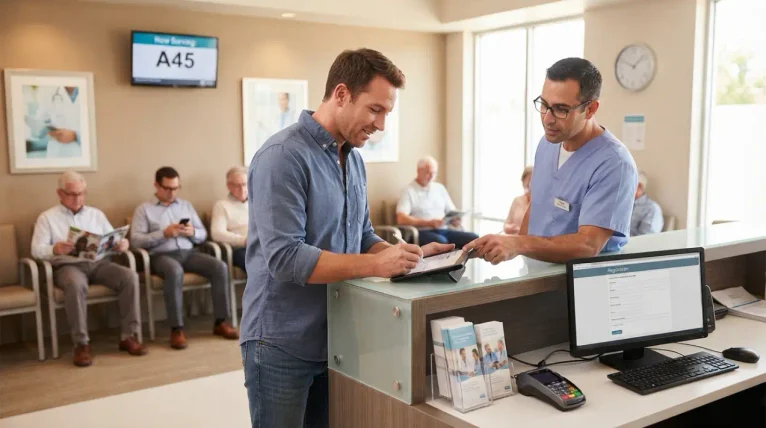
Have you ever tried to schedule a doctor’s appointment and been told the next available slot is three weeks out? Maybe longer if it’s not “urgent.” You’re not alone. Whether it’s a sinus infection, a medication refill, or just a check-up, getting timely care has become a frustrating waiting game. And while many patients are still asking, “Where did all the doctors go?”—a growing number are now being seen by someone else entirely: a family nurse practitioner.
In the past few years, family nurse practitioners (FNPs) have stepped into the spotlight. They’re showing up in clinics, urgent care centers, and community health hubs. They’re diagnosing, prescribing, following up, and often spending more time with patients than traditional physicians do. But this isn’t just a temporary fix or a backup plan. It’s a major shift in how primary care is delivered.
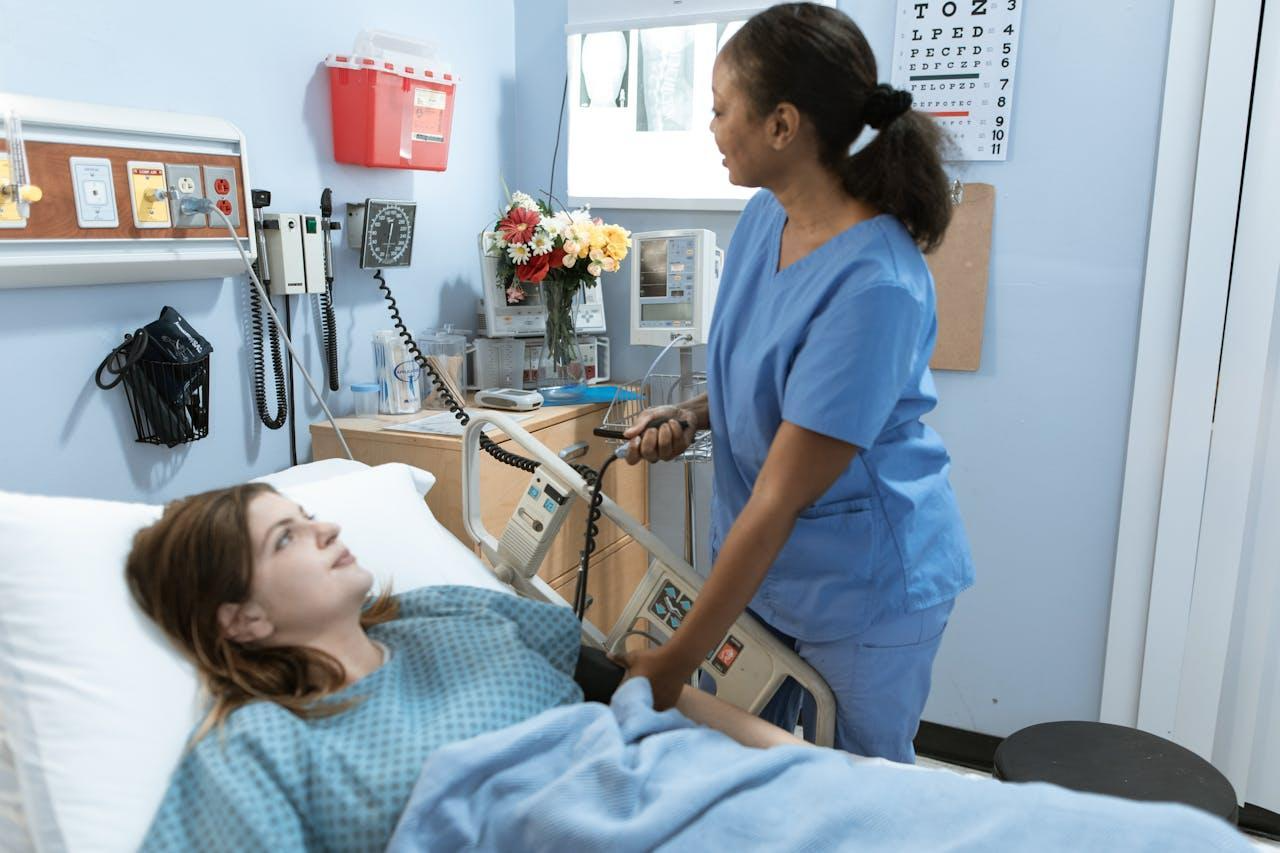
In this blog, we will share why family nurse practitioners are becoming essential to the future of healthcare, what’s driving the surge in demand, and how the path to this career is evolving to meet that need.
More Patients, Fewer Providers
The numbers tell a clear story. The U.S. population is aging, chronic illnesses are rising, and primary care providers are retiring faster than they can be replaced. The Association of American Medical Colleges estimates that by 2036, the U.S. could be short as many as 86,000 doctors across both primary and specialty care. That’s not a small gap. That’s a national problem.
Family nurse practitioners are filling this space, and they’re doing it well. FNPs are trained to provide comprehensive care for patients of all ages. That includes everything from writing prescriptions and ordering tests to counseling on lifestyle changes. In many states, they can even operate independently, without direct supervision from a physician.
But stepping into this role takes serious preparation. FNP education requirements are rigorous, involving graduate-level coursework, hundreds of supervised clinical hours, and national certification. Most FNPs start as registered nurses and then pursue a master’s or doctoral degree focused on family practice. From there, they must pass a board exam and meet state licensing requirements to begin working in the field.
This isn’t a shortcut. It’s a structured path that blends advanced medical knowledge with real-world patient experience. And as more healthcare systems look for flexible, team-based approaches to care, FNPs bring exactly what’s needed: strong clinical skills, a deep understanding of patient needs, and the time to connect on a human level.
Healthcare Deserts Are Growing
Another reason FNPs are in high demand? Geography. There are huge stretches of the country where people simply can’t access regular medical care. These so-called “healthcare deserts” are especially common in rural areas, where hospitals are closing and doctors are scarce.
In places like these, FNPs often become the only consistent medical professionals patients see. They handle everything from managing blood pressure to delivering babies. In some communities, they make house calls. Others set up mobile clinics in church parking lots or school gyms.
It’s a kind of care that feels personal because it is personal. FNPs don’t just treat symptoms. They form long-term relationships. They know their patients by name, remember their family history, and understand the unique challenges of their communities.
People Want Care That Feels Human Again
In a world where so much healthcare feels automated or rushed, patients are craving connection. And that’s another reason the role of family nurse practitioners is growing fast.
FNPs are trained to look beyond the lab results. They’re taught to listen, to educate, and to support patients as whole people—not just as cases. For many patients, that difference matters more than fancy tech or a sleek new exam room.
Let’s say a parent brings their child in for frequent stomach aches. A rushed visit might lead to a quick test and a prescription. But an FNP might ask about stress at school, sleep patterns, or diet at home. That deeper conversation can lead to better care—and a more lasting solution.
It’s not just about bedside manner; it’s about a different philosophy of care. One that values trust, communication, and long-term relationships. These are qualities many patients remember long after their symptoms are gone.
Policy and Culture Are Catching Up
For years, there was hesitation around letting FNPs take the lead in patient care. But things are changing. More states are expanding the scope of practice for nurse practitioners, allowing them to work independently and prescribe medication without a physician’s oversight.
This shift isn’t random. It’s backed by research and driven by necessity. Organizations like the National Academy of Medicine and the American Association of Nurse Practitioners have published studies showing that FNPs provide care that’s just as safe and effective as doctors—especially in primary care settings.
And it’s not just laws that are shifting. Culture is, too. Patients are starting to understand that seeing a nurse practitioner doesn’t mean they’re getting second-tier care. In fact, many report higher satisfaction with visits led by FNPs, especially when it comes to feeling heard and supported.
A Career That’s Built to Last
The final reason FNPs are in such high demand? People want to be them. The job has ranked high in national career satisfaction surveys for years. It offers a mix of autonomy, purpose, and flexibility that’s rare in healthcare.
FNPs often work in outpatient clinics, which means regular hours, fewer overnight shifts, and more control over their schedule. Many choose to specialize in areas they care deeply about—like pediatrics, women’s health, or geriatrics. Others go on to teach, lead clinics, or even influence healthcare policy.
The salary doesn’t hurt either. According to the U.S. Bureau of Labor Statistics, the average nurse practitioner earns over $120,000 per year, with family practice consistently ranking among the top earners. Add that to job security, room for growth, and the ability to make a real difference, and it’s no wonder applications to FNP programs are rising.
The Bigger Picture
So here we are: more patients, fewer doctors, and a healthcare system that’s struggling to keep up. Family nurse practitioners aren’t a patch or a placeholder. They’re becoming the backbone of primary care in America.
They’re stepping in not because they have to—but because they’re trained, prepared, and ready to lead. And as more patients, clinics, and lawmakers recognize their value, that demand will only continue to grow.
So the next time you find yourself at a clinic, sitting across from someone in scrubs who asks about more than just your symptoms, don’t be surprised if it’s an FNP. And don’t be surprised when they remember your name the next time you walk in.
Source: Dr Gina Sam