Thinking about becoming an egg donor?
It’s one of the most altruistic choices you can make as an individual. You allow donors to help intended parents create the families they have been dreaming of for years…sometimes even decades.
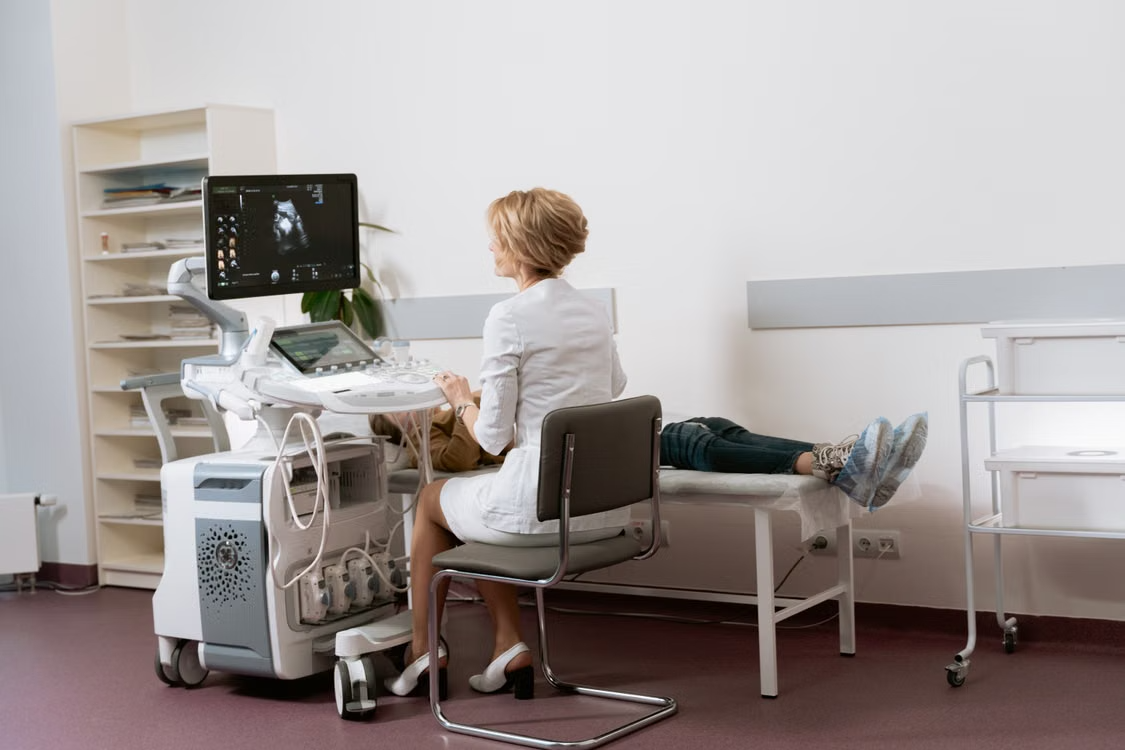
But here’s the thing nobody tells you upfront…
Egg donation is more than just a medical procedure.
It’s a journey that touches every part of a donor’s life:
- Physical health
- Emotional wellbeing
- Mental readiness
- Long-term recovery
Understanding what’s ahead is the difference between a positive experience and a tough one.
Here’s everything that matters…
Here’s what’s coming up:
- Why Wellness Matters for Egg Donors
- The Physical Side of Egg Donation
- The Emotional Side Nobody Talks About
- How to Prepare for the Journey
Why Wellness Matters for Egg Donors
The egg donation industry is flourishing. As more intended parents choose assisted reproductive technology than ever before, the need for healthy screened donors continues to rise.
The numbers tell the story.
Approximately 13.4% of American women face fertility problems that leave them unable to conceive, or sustain, a pregnancy. That’s a lot of hopeful parents in need of assistance — and many look to donor agencies like Los Angeles Surrogacy to connect them with compassionate donors.
But here’s the problem…
People who are considering donating only hear about the financial benefits. They don’t learn about how donating truly impacts your body and mind. Here’s why that matters:
- Donors are going through a real medical procedure
- Hormone treatments have physical effects
- The emotional weight can sneak up on people
The objective of any great gift experience? Ensuring your donors feel valued, educated and cared for throughout the process.
That means understanding both sides — physical wellness AND emotional wellness.
The Physical Side of Egg Donation
Ok, let’s talk about your anatomy. You know what everyone concentrates on first…. Yep. The body. Egg donation is not an oh by the way I’ll just take a blood test process. It takes weeks of actual medical care.
Here’s what donors typically go through.
Hormone Stimulation
The donor takes hormone injections for approximately 10-12 days. The injections stimulate the ovaries so that more than one egg will mature at a time (rather than the usual one egg per cycle).
Side effects can include:
- Mild bloating
- Mood swings
- Headaches
- Tender breasts
Most of these symptoms are manageable. But every donor’s body responds differently.
The Egg Retrieval Procedure
Next is the egg retrieval itself. Egg retrieval is an outpatient procedure performed under mild sedation. Using a very thin needle, a physician will withdraw eggs from the ovaries.
The whole thing takes about 20-30 minutes.
After the procedure, donors usually feel:
- Crampy (similar to a heavy period)
- A little drowsy from the sedation
- Some bloating for a few days
Donors usually return to normal activities within 2-3 days. However, adequate rest is still important.
Long-Term Physical Health
A study published in 2025 tracked egg donors for an average of 14 years post donation. Positive results: The majority of donors viewed the experience as positive overall.
But complications can happen.
That’s why working with a reputable agency that prioritises donor health is so critical.
The Emotional Side Nobody Talks About
Now for the part most people skip over…
Egg donation can be an emotional process. Even when things go perfectly. Even when donors feel fantastic about helping intended parents build their families.
Why? Because donors help create life. Big responsibility to understand — BEFORE AND AFTER the process.
Here’s what donors might feel during the journey.
During the Donation Process
- Nervousness about the procedure
- Excitement about helping someone
- Anxiety about the hormone effects
- Pride in being chosen as a donor
This is totally normal. The important part is having people around you that you can talk through them with.
After the Donation
The post-donation phase is where emotions can really surface. Some donors feel:
- Curious about any children that may result
- Sentimental about their role
- Sometimes a small sense of loss
- Often, deep satisfaction
That 2025 study also discovered rates of depression were almost three times higher among past donors compared to the national average. This isn’t meant to alarm anyone — but that is why emotional care is so important.
Why Counseling Is So Important
ALL quality egg donation programs mandate psychological screening PRIOR to donating. Many programs provide follow up support after the fact as well.
This isn’t just a formality. It’s there to help donors:
- Process complex emotions
- Develop healthy coping mechanisms
- Feel prepared for the long-term reality
- Know they’re not alone in their feelings
How to Prepare for the Journey
Want to optimize your donor experience? Follow these steps.
Choose the Right Agency
Some agencies are better than others. The best agencies care more about your wellness as a donor FIRST. Search for agencies that:
- Provide thorough medical screening
- Offer psychological evaluation
- Have transparent compensation policies
- Stay in touch throughout the process
- Provide post-donation support
Build a Strong Support Network
The donors who succeed most often have someone to lean on. That may be:
- A close friend or family member
- A partner or spouse
- A therapist or counselor
- Other donors who have been through it
Prioritise Self-Care
The donation process is demanding. Donors should plan for:
- Plenty of rest during stimulation
- Healthy meals throughout the cycle
- Light exercise (no high-impact stuff)
- Time off work for the retrieval
Ask All the Questions
There are no dumb questions regarding egg donation. Ask your agency, doctor and counselor anything and everything that comes to mind.
Tying It All Together
Becoming an egg donor is one of the most rewarding decisions someone can make.
Helping intended parents finally become parents? That’s huge.
But it works best when donors take care of themselves too:
- Physically — by following medical advice and resting
- Emotionally — by getting proper counseling and support
- Mentally — by going in with realistic expectations
- Long-term — by staying connected to resources after the donation
The fact is — the egg donation industry is booming. Egg donation inquiries jumped by 20% in 2024 versus 2020. More IPs are asking for help than ever before.
That means more donors are needed too.
But those potential donors deserve as much physical and emotional support as they can receive. Whether you’re just thinking about donating for the first time or have already begun the process.
A donor’s wellness matters as much as the outcome.
Agency, physician and donor alignment all around whole-person wellness makes the journey worthwhile.