Most people think of memory loss as something that just happens with age. But your brain is not separate from the rest of your body, and what you eat every day can shape how well it works over time. Diet will not guarantee that someone avoids dementia, and it is never the only factor involved. Genetics, physical activity, sleep, social engagement, and overall health all matter too. Still, nutrition is one of the clearest areas where daily choices can either support brain health or quietly work against it.
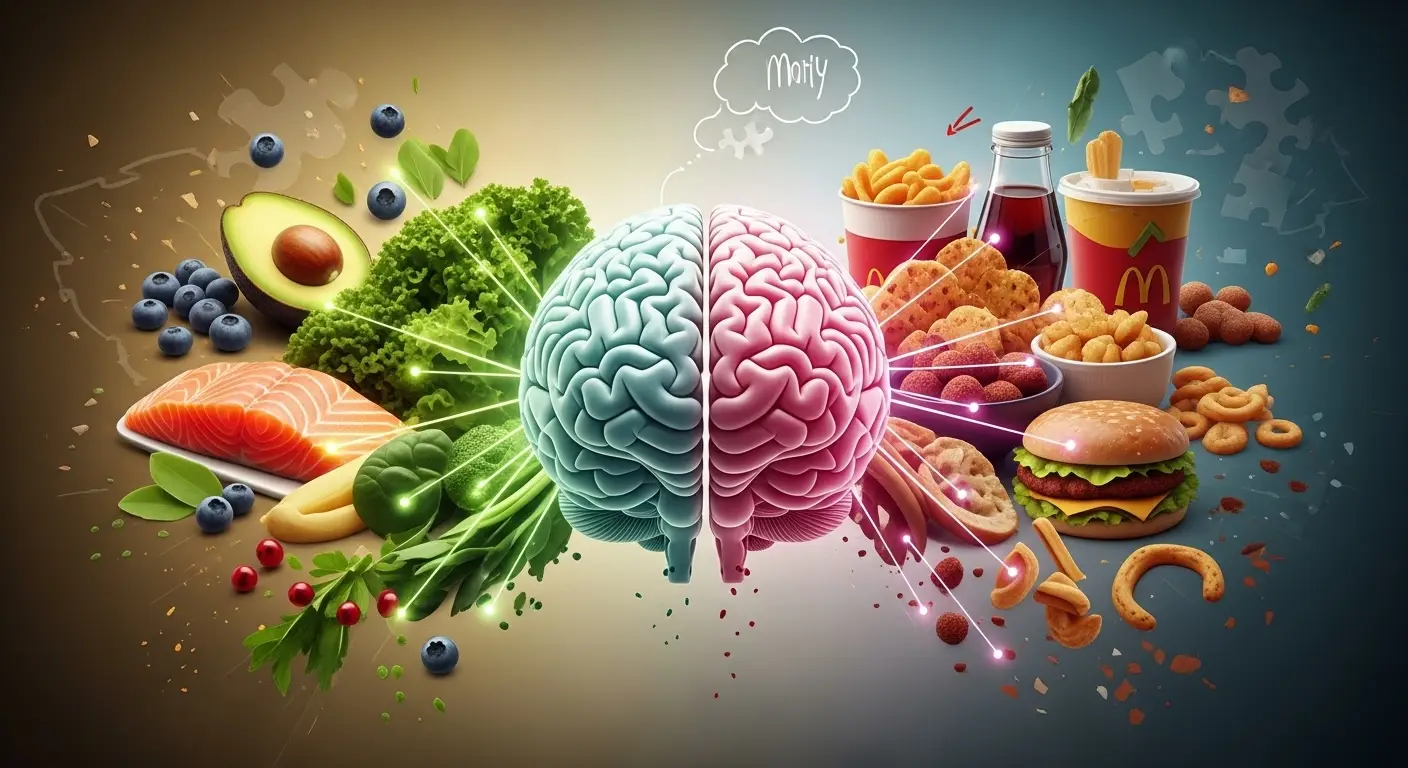
If you are worried about forgetfulness, brain fog, or long-term cognitive decline, it helps to understand one simple truth: the same eating patterns that protect your heart and metabolic health also tend to protect your brain.
Why food matters for memory
Your brain needs a steady supply of energy, healthy fats, vitamins, minerals, and antioxidants to do its job well. It also depends on good blood flow. When your diet drives inflammation, blood sugar spikes, or vascular damage, the brain often feels the effects.
This is one reason dementia risk is closely tied to conditions such as type 2 diabetes, high blood pressure, obesity, and high cholesterol. These problems do not only affect the heart. They can also damage the blood vessels that nourish the brain, interfere with insulin signaling, and increase oxidative stress. Over time, that can contribute to cognitive decline.
Researchers have spent years trying to isolate a single “brain food,” but the bigger lesson is that overall dietary patterns matter more than one ingredient. As a thoughtful review on diet and Alzheimer’s prevention explains, the evidence tends to favor balanced eating patterns rather than miracle foods or supplements.
The diets most often linked to lower dementia risk
When scientists look at people who maintain better cognitive health as they age, a few patterns show up again and again. The strongest evidence usually points toward Mediterranean-style eating and the closely related MIND diet.
These approaches emphasize:
- vegetables, especially leafy greens
- berries and other fruit
- beans and lentils
- whole grains
- nuts and seeds
- fish and other sources of healthy fats
- olive oil
- limited intake of ultra-processed foods, added sugars, and heavily processed meats
Why do these patterns stand out? Because they bring together several brain-friendly benefits at once. They help control blood sugar, reduce chronic inflammation, support cardiovascular health, and provide nutrients associated with healthy brain aging.
That does not mean every meal needs to be perfect. It means your long-term pattern matters. A breakfast of sugary pastries and a routine of takeout-heavy dinners may not seem connected to memory today, but over years those choices can add up.
Key nutrients and eating habits that support the brain
Healthy fats help the brain communicate
The brain is rich in fat, and some fats are far more helpful than others. Omega-3 fatty acids, particularly those found in fatty fish like salmon, sardines, and trout, are associated with brain structure and function. They play a role in cell membranes and communication between brain cells.
At the same time, many modern diets are overloaded with highly processed foods and less balanced fat intake. That combination may support inflammation rather than resilience.
Stable blood sugar supports sharper thinking
Memory and attention can suffer when blood sugar swings wildly. Over time, poor blood sugar control is also associated with higher dementia risk. This is one reason diets high in sugary drinks, refined carbohydrates, and processed snacks can be so damaging.
A more brain-friendly plate usually includes fiber, protein, and healthy fats together. That slows digestion and helps avoid the crashes that can leave you foggy, irritable, or hungry again an hour later.
Plants provide protective compounds
Colorful produce delivers antioxidants and polyphenols that may help protect brain cells from oxidative stress. Leafy greens, berries, beans, herbs, and cruciferous vegetables all support this process. These foods also tend to improve gut health, and researchers are increasingly interested in the connection between the gut and the brain.
Coffee may help, but context matters
Moderate coffee intake is often part of a healthy routine for many adults, and emerging research discussed in recent reporting on coffee and cognition suggests it may offer some cognitive benefits. Still, coffee cannot compensate for a poor overall diet, chronic sleep loss, or unmanaged stress. Think of it as a possible bonus, not a strategy on its own.
What seems to raise dementia risk?
If brain-protective diets share certain features, higher-risk eating patterns do too. They often include a heavy reliance on ultra-processed foods, too much added sugar, excess sodium, and low intake of fiber-rich plant foods.
Some of the biggest concerns include:
Diets high in ultra-processed foods
These foods tend to be convenient and highly palatable, but they often crowd out more nourishing options. They can also contribute to weight gain, insulin resistance, and inflammation, all of which are linked to poorer brain outcomes.
Excess added sugar
A consistently high-sugar diet can make blood sugar control harder and may affect memory even before major disease develops. Many people think only desserts are the issue, but sweetened coffee drinks, flavored yogurts, breakfast cereals, and sauces can add up fast.
Too much processed and red meat
You do not necessarily need to avoid these foods entirely, but diets centered on them tend to leave less room for fish, beans, vegetables, and whole grains. That shift can change the overall quality of the diet in ways that matter for brain health.
Where a cognitive function test fits in
Nutrition is one part of the picture, but it helps to pair healthy habits with awareness. If someone is noticing changes in focus, reaction time, memory, or mental clarity, communities like Cedar Glen Memory Care and a clinician-administered cognitive function test can offer a more structured way to track what is happening. That can be useful for establishing a baseline, spotting patterns over time, and knowing when it may be worth bringing concerns to a healthcare professional.
This matters because early cognitive changes are not always dramatic. Sometimes they show up as slower recall, more difficulty multitasking, or trouble staying organized. Those signs can be easy to dismiss, especially when life is busy.
The source of this article is drginasam.net.
Practical ways to eat for better brain health
You do not need a complicated nutrition overhaul to start helping your brain. A few consistent changes can make a meaningful difference:
Build meals around real foods
Start with vegetables, beans, whole grains, fish, eggs, yogurt, fruit, nuts, and olive oil more often than packaged snack foods or fast food. Simplicity works.
Upgrade one meal at a time
If lunch is usually your weakest meal, start there. Swap chips and a deli sandwich for a grain bowl with greens, beans, salmon, and olive oil dressing. Sustainable changes beat ambitious plans that last three days.
Make convenience work for you
Frozen vegetables, canned beans, plain Greek yogurt, oatmeal, pre-washed greens, and canned fish can all support a brain-healthy diet without requiring gourmet cooking.
Think pattern, not perfection
No single meal causes dementia, and no single smoothie prevents it. What matters most is what your diet looks like most days, over months and years.
The link between nutrition and dementia is not about fear. It is about opportunity. You cannot control every risk factor, but you can create a dietary pattern that supports memory, protects vascular health, and gives your brain better odds over the long run. Start with the next meal, make it a little more supportive, and build from there.