Amblyopia, often referred to as lazy eye, is a vision development disorder in which one eye does not have normal visual acuity despite the use of prescribed lenses. Simply put, one eye can see clearly while the other cannot.
This condition can occur for various reasons, but the most common culprit is a muscle imbalance between the eyes. To understand better, the condition is a situation where one eye becomes an overachiever by pulling the weight of the muscles around the eyes. In contrast, the other eye becomes a backseat.
Another cause of this condition is the difference in prescription between the eyes. In situations where one eye sees clearly and the other doesn’t, the brain becomes slightly confused, and over time, it may end up ignoring the blurry eye, resulting in amblyopia.
So what are the signs of this problem? First, pay close attention to your child to see if they squint; most of the time, this is not a cute expression, but rather a sign of this condition.
Another symptom is when the kid always tilts their head while trying to focus. One often-overlooked symptom is poor depth perception. You will discover that the child isn’t able to analyze distances accurately. They can’t play distance games like catching a ball.
The best aspect is that the condition is not life-threatening; once detected on time and with the right interventions, such as vision therapy, it can be effectively managed. In this article, we will walk you through why it’s important to detect amblyopia early.
Why is Early Detection Crucial?

The brain, specifically that of the youngsters, is like a moldable clay that can adapt and change based on new experiences. Adaptability, also known as plasticity, reaches its peak during childhood, typically lasting until early adulthood. This means treating lazy eye right from childhood is more effective, easier and long-lasting.
Failure to treat Amblyopia or ignoring it completely can cause numerous problems, including permanent vision loss.
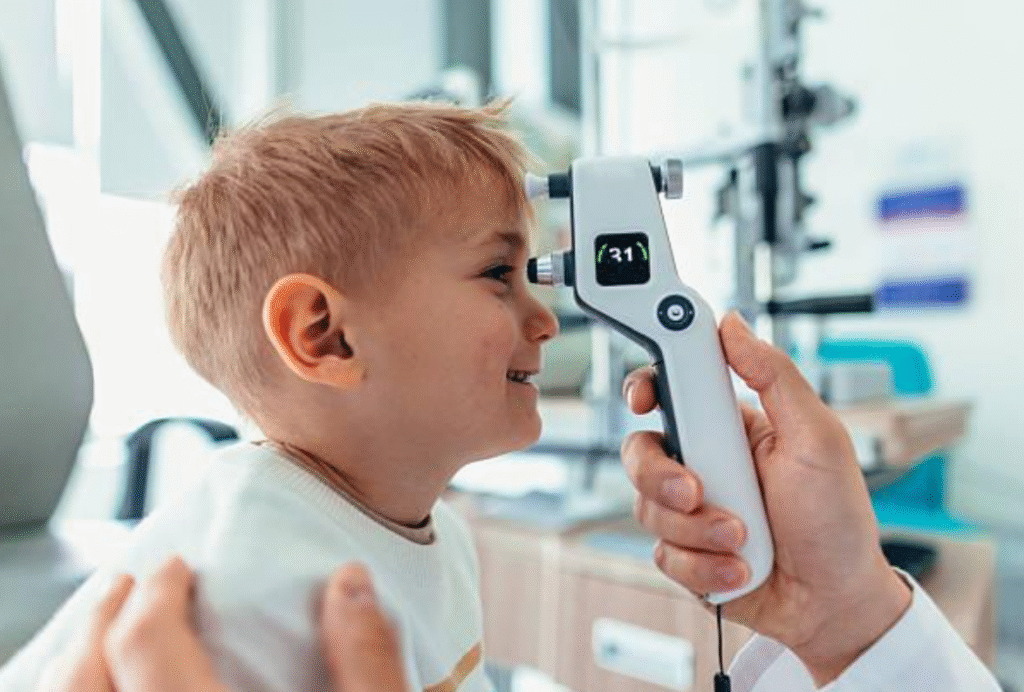
This condition typically begins as a minor issue that can escalate into a significant life challenge, posing a risk that nobody is willing to take. This is why conducting eye tests using pro screening devices, such as those offered here, is highly crucial, as it allows for early diagnosis of the condition. The right time for treatment is usually between 2 and 8 years, when the therapy can work effectively.
Thankfully, with the advances in technology, vision therapy for Amblyopia can be done at home. You don’t need to do those hectic, frequent hospital visits that may end up draining you and your baby. You can treat the condition from the comfort of your home. Overall, acting early and fast should be the priority when it comes to vision problems.
Consequences of Late or No Treatment
The truth is, delaying or skipping treatment for this condition has significant consequences, and they aren’t something minor; rather, they can be life-altering. The kid may wake up one day and realize their vision is not what it used to be, and this is not a temporary glitch, but a permanent impairment, and this is what happens when amblyopia is not addressed on time.
Simple day-to-day tasks, such as reading a book, playing with peers, or catching a ball, can become difficult tasks. Those fun activities they enjoy will now become less interesting, and they will start to lose interest in whatever is happening around them.
This means that the impact of leaving the condition untreated can affect both the social and psychological well-being of children and lead to a reduction in self-confidence and esteem. They may end up feeling different or less capable, and can easily push them into the shadows, resulting in social isolation.
But thankfully, it’s not always dark without light because the advancement in technology and the development of software have made things a lot easier, since you can easily take the exams at home.
No more excuses for why you weren’t able to discover the condition early and prevent yourself from that look of accusation your child may give you in the future, once they find out there was a way they could have lived a different life than the one they are living currently.
Visit https://www.aao.org/eye-health/tips-prevention/fabulous-foods-your-eyes to learn some food choices that are good for the eyes.
Conclusion
The eyes are among the most important organs in the body, allowing us to see and appreciate the world around us. When there is a problem with either of them, it may reduce our confidence and make us less likely to enjoy life.
That’s why it’s essential to prevent future problems by scheduling eye exams for your child from a young age and following the necessary steps to recovery once they are diagnosed with amblyopia.
Source: https://drginasam.net/