
A simple trip on uneven pavement or a slip in the kitchen can quickly turn into a painful orthopedic injury. Many people do not realize how much force travels through the arms when the body instinctively reaches out to break a fall, which is why learning about proper elbow fracture treatment is important for understanding how these injuries are diagnosed, managed, and treated after an accident. Even falls that seem minor at first can lead to fractures, joint instability, and long-term mobility problems if they are not addressed properly.
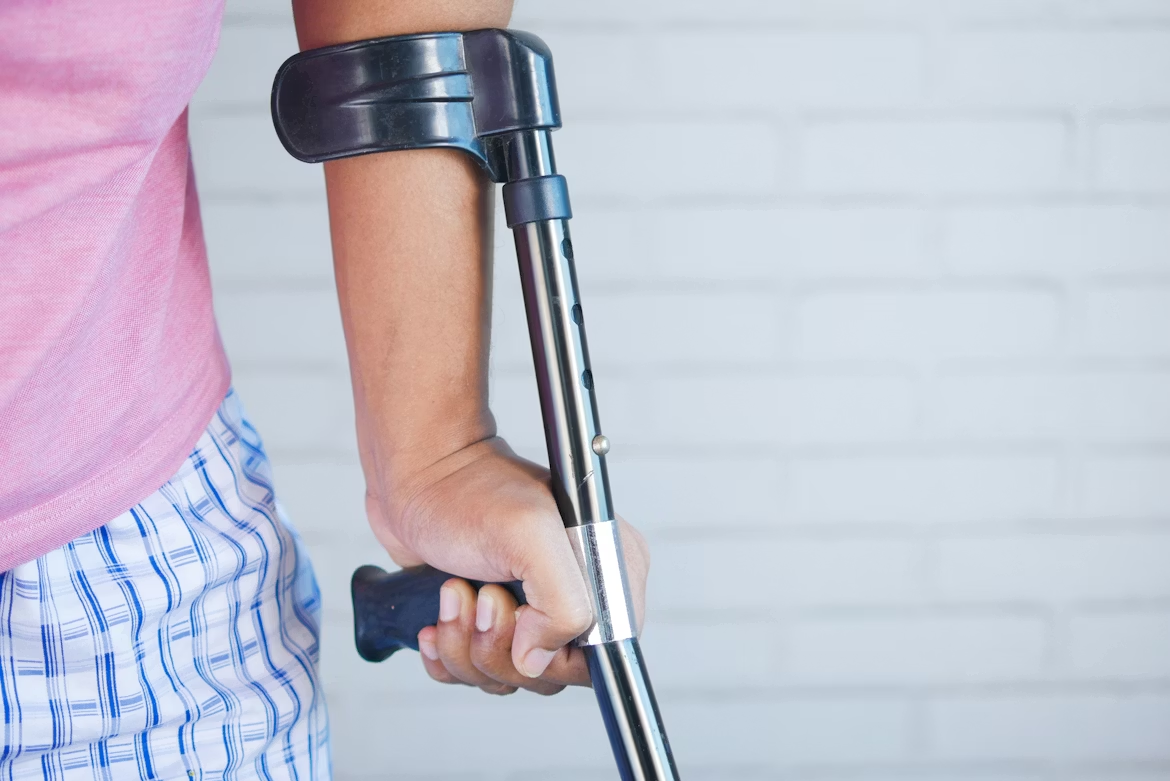
Why the Elbow Is Vulnerable During Falls
The elbow is a complex joint made up of bones, ligaments, tendons, and cartilage that work together to support movement and stability. When someone falls forward or sideways, the natural reaction is to extend the arm to absorb the impact, which can place sudden pressure directly on the elbow joint. This force can overwhelm the bones and connective tissues, especially if the landing angle is awkward or the body weight shifts unexpectedly.
Many elbow injuries occur because the joint is not designed to handle direct trauma at high speed. A strong impact can cause fractures in the upper arm bone, forearm bones, or the bony tip of the elbow itself. In some cases, the injury may also involve ligament tears or dislocations, which can make recovery more difficult and painful.
Common Situations That Lead to Elbow Injuries
Everyday environments often contain hidden hazards that increase the risk of falls. Wet floors, loose rugs, uneven sidewalks, poor lighting, and cluttered walkways can all contribute to sudden accidents at home or in public spaces. Children, older adults, and active individuals are particularly vulnerable because they may move quickly or have balance challenges that increase their risk of falling.
Sports and recreational activities are another major source of elbow injuries. Cycling, skateboarding, hiking, and contact sports often involve falls, during which the arms absorb the impact. Even routine activities such as carrying groceries downstairs or slipping while getting out of the shower can result in serious elbow trauma that requires medical attention.
Symptoms That Should Never Be Ignored
Some people assume an elbow injury is only a bruise or temporary strain and delay seeking treatment. However, persistent pain, swelling, bruising, or limited movement may indicate a fracture or structural damage inside the joint. Ignoring these symptoms can increase the risk of complications and make recovery longer and more difficult.
A fractured elbow may also produce visible deformity or instability in the arm. In severe cases, patients may hear a cracking sound during the fall or experience numbness in the fingers due to nerve involvement. Difficulty rotating the forearm, straightening the arm, or gripping objects are also warning signs that should be evaluated by a medical professional as soon as possible.
The Importance of Early Diagnosis and Treatment
Prompt medical evaluation plays a major role in preventing long-term damage after an elbow injury. Doctors typically use physical examinations and imaging tests such as X-rays or CT scans to determine the extent of the fracture and whether the joint remains properly aligned. Early diagnosis allows treatment to begin before swelling and instability worsen.
Treatment options depend on the severity and location of the injury. Some fractures can heal with immobilization using a splint or brace, while more complex injuries may require surgery to stabilize the bones with plates or screws. Rehabilitation is often necessary to restore strength and flexibility because prolonged stiffness is a common complication after elbow injuries.
Long-Term Effects of Untreated Elbow Injuries
Failing to properly treat an elbow fracture can lead to chronic pain and limited mobility. The elbow is essential for lifting, reaching, driving, and performing everyday tasks, so even small movement restrictions can significantly affect quality of life. Patients who do not receive proper care may develop arthritis, joint instability, or permanent weakness in the affected arm.
Recovery can also become more difficult when treatment is delayed. Bones that heal incorrectly may require additional procedures to correct alignment problems later. Scar tissue and muscle stiffness can further reduce range of motion, making simple daily activities uncomfortable or challenging for years after the original injury.
Preventing Falls and Protecting Joint Health
While not every accident can be avoided, many elbow injuries can be prevented through simple safety measures. Keeping floors dry, improving lighting, securing loose rugs, and wearing supportive footwear can reduce the risk of slips and falls at home. People who participate in sports or outdoor activities should also use appropriate protective equipment and remain aware of uneven surfaces.
Maintaining strength and balance is equally important for injury prevention. Regular exercise, stretching, and bone health management can improve stability and reduce the likelihood of dangerous falls. Older adults may especially benefit from balance training and home safety modifications that create a safer living environment.
Everyday falls are often dismissed as harmless accidents, but they can result in serious elbow injuries that affect mobility, comfort, and independence. Because the elbow joint plays such an important role in daily movement, prompt diagnosis and proper treatment are essential for achieving a full recovery. Understanding the risks associated with falls and recognizing early warning signs can help individuals seek timely care and avoid long-term complications after an injury.