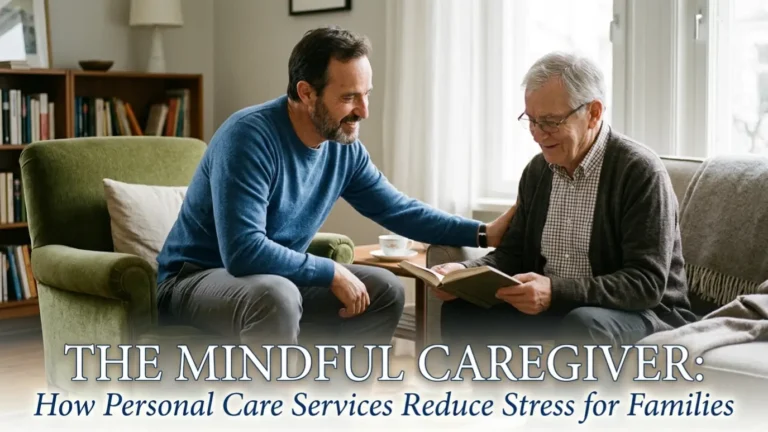
Going for an assisted living facility is more than just picking a new place to live – it’s a big change for both seniors and their loved ones. Relief, curiosity, and even some worry can all show up.

Planning early helps make the move calmer, smoother, and more manageable. With thoughtful preparation and open conversation, this move can become a new chapter of life filled with comfort, dignity, and familiar routines, not just a necessary step. Let’s find some helpful ways you can help your loved seniors make a smooth transition.
Understanding the Need to Go For an Assisted Living Facility
Before choosing a reliable assisted living facility, it’s helpful to pause and explore why this change may make sense. Recognizing the signs gives everyone clarity and reduces surprises.
Recognizing the Right Time
You might notice that everyday tasks, like cooking, cleaning, or keeping up with medications, are becoming harder. Maybe there’s more forgetfulness, risk of falling, or social isolation.
In cases where your senior loved one is facing critical conditions like the 7 stages of frontotemporal dementia, thinking ahead about moving into an assisted living or memory care community makes a lot of sense. It’s not giving up. It’s choosing the right support so life remains good.
Discussing the Decision with Family
Talking about moving is not easy, but it is necessary. Sit down together and ask: “How are you feeling about home?” “What worries you?” Keep it gentle. The senior must stay part of the decision. When they feel heard and in control, the transition feels less like a loss and more like a choice.
Researching and Choosing the Right Assisted Living or Memory Care Community
Be it at home care, an assisted living facility, or joining a specialised memory care community, finding the right one is the key to their well-being.
Evaluating Alternatives
There are a few options, and knowing which is right prevents a mismatch:
- Independent living: Best for those who manage on their own
- Assisted living: Offers daily support while keeping social life active
- Nursing care: Provides full medical support
- Memory care unit: Those who need specialized memory care
Also, a short respite stay can help try it out before fully committing. Exploring options means you’ll choose a place that fits now and suits future needs.
Identifying Priorities and Needs
Start by jotting down what matters most:
- What medical support is needed?
- What lifestyle matters – pets, hobbies, walking space, dining style?
- How close do you want family, friends, and doctor visits to be?
This list becomes your filter, so you don’t just go by price or marketing.
Visiting and Assessing Facilities
When you tour communities, pay attention to how it feels. Is it welcoming? Ask questions like: “What happens in an emergency?” “What’s daily life like here?” See if the staff are friendly, residents seem engaged, and spaces are clean.
Talk to current residents if possible. Online reviews help, too. The goal is to pick a place that feels like home.
Financial Planning and Budgeting
What are the monthly fees? Are there hidden charges for higher care levels? Which payment options exist, including insurance, benefits, savings, and a pooled income trust? Being open about costs now saves stress later. It lets the senior enjoy life instead of worrying about bills.
Preparing Emotionally and Mentally for Transiting to Assisted Living
This move isn’t just about logistics; it’s about feelings. Being open about how it makes everyone feel helps it go better.
Managing Emotions and Expectations
It’s normal for a senior to feel anxious about losing their home, or for the family to feel guilty. Acknowledging those feelings, not pretending they don’t exist, helps.
Encourage focusing on the positives: the community, the support, and the social life still available. When expectations are realistic, adjustment becomes smoother.
Building a Support System
Don’t go it alone. Family, friends, and community groups help. Meeting others in similar situations can be comforting. Make sure the senior keeps connections – old friends, hobbies, rituals. That stability helps anchor them as life shifts.
Organizing the Move to Your Assisted Living Facility
Here comes the practical part, the move itself. With good planning, you can make it feel like a step forward instead of a scramble.
Downsizing with Dignity
- Sort belongings early
- Decide what to keep, donate, or gift
- Smaller spaces may require storage solutions
Handling Logistics
- Make a checklist and timeline for packing and visits
- Coordinate with the facility about move-in dates and services
- Update medical records, mail, and utilities
Making it Feel Like Home
- Bring favorite items: chair, photos, hobby supplies
- Decorate to reflect personality
- Participate in activities early to start feeling at home
Settling In and Adjusting to the New Environment
Even after the move, adjustment continues –
Building New Relationships
Make sure the senior is enjoying meeting staff, neighbours, and joining group activities. As new friendships grow, the community will start to feel more like home.
Maintaining Health and Wellness
Choose a facility that supports overall wellness – good food, fitness options, engaging activities. Staying physically and mentally active matters. It’s not just about care, it’s about living well.
Staying Connected with Family
Family members or friends must visit the senior and stay connected via video calls. The senior must feel they are still in the family. The more connections, the easier the adjustment.
Reviewing and Reassessing After the Move
Even after settling, things may need adjusting.
Evaluating Comfort and Satisfaction
After a few months, ask: “How are you feeling?” “What parts do you enjoy? What parts don’t work?” Talk with the staff. A regular check-in helps catch issues early. Don’t just assume all is fine.
Making Adjustments as Needed
If care needs increase or something isn’t fitting, don’t ignore it. Update the care plan. Explore specialized memory care if needed. The goal is always the senior’s comfort, dignity, and quality of life, not sticking rigidly to the initial choice.
Conclusion
Moving to an assisted living facility doesn’t mean giving up freedom – it means embracing support, community, and dignity.
By planning ahead, communicating openly, and giving everyone time, this transition can be positive.
Whether you’re doing this for yourself or a loved one, take each step with care, stay connected, and view this as a chance for new beginnings.