

Imagine waking up one morning and realizing that something as simple as reaching for a coffee mug or bending to tie your shoes has become a challenge.
For many seniors, this isn’t imagination; it’s reality. Yet what if there were a way to reclaim that ease of movement, to rediscover the comfort of a body that moves with you rather than against you?
The journey toward sustained mobility in our golden years doesn’t have to involve surgery or handfuls of medication. Sometimes, the most profound solutions are also the gentlest.
As people age, maintaining mobility and physical comfort becomes essential for independence and quality of life. Joint stiffness, back pain, and reduced flexibility can gradually limit everyday activities.
Understanding Age-Related Spinal Changes
Time leaves its signature on every part of our bodies, and the spine is no exception. As the body matures, natural wear and tear affects the spine and surrounding joints in ways that can be both subtle and significant. These changes don’t happen overnight; they’re the accumulated result of decades of standing, sitting, lifting, and moving through life.
Think of your spine as a stack of cushions separated by shock absorbers. Over the years, those shock absorbers begin to show their age. The discs between vertebrae lose some of their moisture and flexibility, becoming less effective at their job.
Meanwhile, the small joints that connect each vertebra can develop their own signs of wear, and the muscles that support the entire structure may lose some of their strength and resilience.
Common Spinal Challenges in Seniors
The spine faces several specific challenges as we age, each contributing to the discomfort and limitation many seniors experience:
- Degenerative disc changes leading to stiffness and reduced cushioning between vertebrae
- Reduced joint flexibility making twisting and bending movements more difficult
- Muscle weakness affecting stability and increasing the risk of falls
- Nerve compression causing pain, tingling, or numbness that can radiate into the arms or legs
These issues often develop slowly, making proactive and gentle care especially valuable. The gradual nature of these changes means that early intervention and consistent maintenance can make a remarkable difference in how seniors experience their later years.
How Chiropractic Care Supports Senior Mobility
There’s something almost miraculous about the way the body responds to proper alignment. Chiropractic care focuses on optimizing the alignment and function of the spine and joints, working with the body’s innate ability to heal and adapt. For seniors, this care is specially adapted to be gentle, precise, and supportive of overall wellness.
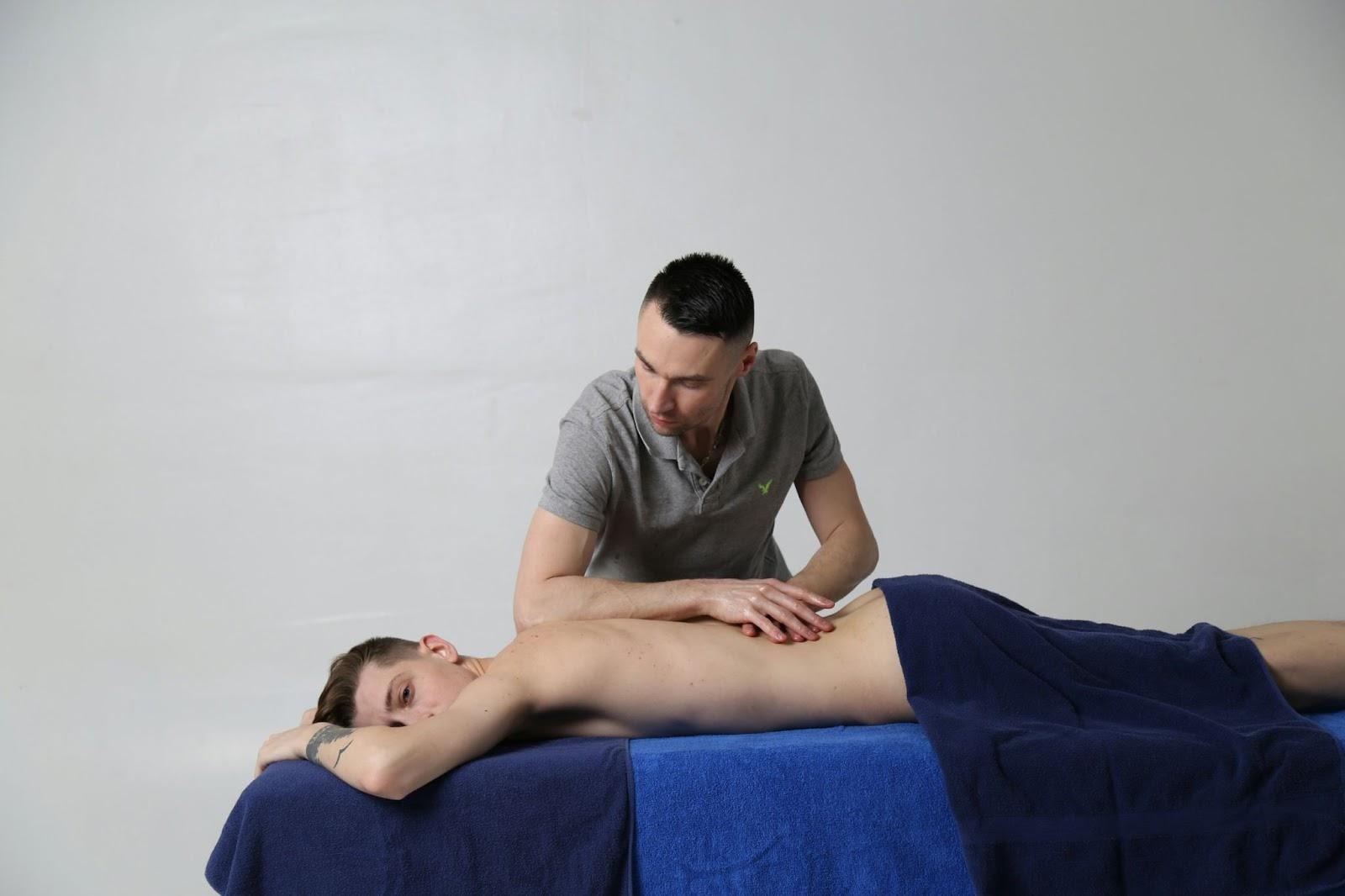
When spinal alignment improves, the benefits ripple outward through the entire body. Nerves that were previously compressed can function more freely. Stiff joints begin to move more easily. Muscles that were compensating for misalignment can finally relax. At Crist Chiropractic, practitioners understand that senior care requires a different approach, one that honors the body’s history while supporting its present needs.
Key Benefits of Chiropractic Approaches
The advantages of chiropractic care for seniors extend far beyond simple pain relief:
- Improved joint range of motion, making everyday activities easier and more comfortable
- Reduced pressure on nerves and soft tissues, alleviating radiating pain and discomfort
- Enhanced posture and balance, which are crucial for preventing falls
- Better coordination and ease of movement, supporting continued independence
One technique that has gained attention in senior care is non-surgical spinal decompression. These chiropractic methods aim to relieve spinal pressure in a controlled, non-invasive way, offering an alternative to more aggressive interventions.
Comfort-Focused Techniques Designed for Older Adults
The days of forceful adjustments that make seniors nervous are largely behind us. Modern chiropractic care for older adults emphasizes comfort and precision above all else. Chiropractors use specialized techniques tailored to aging bodies, prioritizing safety while still achieving meaningful results.
What makes these techniques remarkable is their ability to create change without creating stress. The body doesn’t need to be forced into alignment, it needs to be coaxed, supported, and given the space to realign naturally.
Gentle and Adaptive Methods
Contemporary chiropractic care offers seniors a variety of approaches designed specifically for their needs:
- Low-force adjustments instead of manual thrusts, using instruments or gentle pressure to encourage spinal movement
- Specialized tables that provide additional support and can be adjusted to accommodate limited mobility
- Soft tissue therapies to ease muscle tension and improve circulation around stiff joints
- Non-surgical spinal decompression techniques that help reduce disc-related discomfort through controlled stretching
These approaches are designed to work with the body’s natural structure rather than forcing change. The philosophy recognizes that senior bodies have wisdom accumulated through years of experience, and treatment should respect that wisdom while addressing current challenges.
Chiropractic Care as Part of a Holistic Wellness Plan
Here’s where the real magic happens: when chiropractic care becomes part of a broader commitment to wellness. No single intervention, no matter how skillful, can do the work of an integrated approach to health. Chiropractic care at Crist Chiropractic is most effective when combined with healthy lifestyle habits and coordinated care that addresses the whole person.
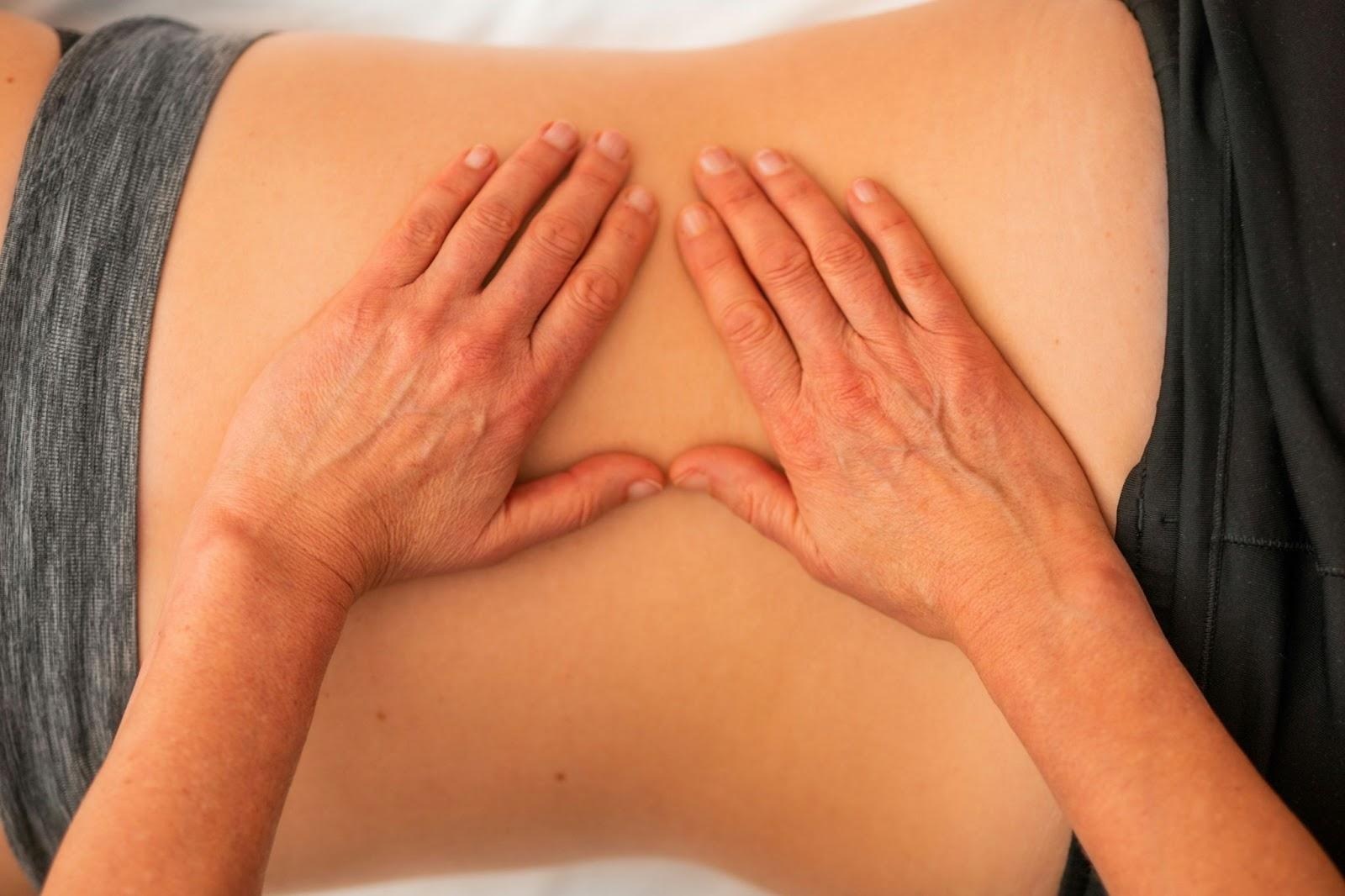
Think of your wellness plan as a three-legged stool. Chiropractic adjustments form one leg, providing the structural foundation.
Movement and exercise form another, keeping tissues flexible and strong. Education and lifestyle modifications form the third, helping you make choices that support your spine throughout each day.
Complementary Wellness Elements
A comprehensive approach to senior spinal health includes several interconnected components:
- Stretching and mobility exercises that maintain and gradually improve range of motion
- Posture awareness and ergonomic guidance for everything from sitting at the dinner table to sleeping position
- Movement education for daily activities, teaching body mechanics that protect the spine during routine tasks
- Regular assessments that may incorporate non-surgical spinal decompression strategies when appropriate for specific conditions
This integrated approach helps seniors stay active while minimizing strain on the spine. It acknowledges that the goal isn’t just to feel better for a day or a week, it’s to establish patterns that support long-term vitality and independence.
The beauty of this holistic model is its sustainability. Rather than creating dependence on any single treatment, it builds capacity for self-care while providing professional support when needed. Seniors learn to recognize what their bodies need and develop confidence in their ability to meet those needs.
The source of this article is https://drginasam.net/.
Conclusion
Chiropractic care offers seniors a supportive path toward improved mobility and lasting comfort. By focusing on gentle, non-invasive techniques and spinal health, it can play a meaningful role in maintaining independence and enhancing daily life.
With the right care approach, from a chiropractor like Yuba Sutter Chiropractic, aging does not have to mean giving up movement or comfort, it can be a stage of life supported by smarter, body-aware solutions.
The remarkable truth is that our bodies retain tremendous capacity for healing and adaptation, even in our later years. When we provide the right conditions, proper alignment, appropriate movement, and consistent care, the body responds with renewed vitality.
Growing older doesn’t require us to accept limitation as inevitable. Instead, it invites us to explore how intentional, compassionate care can help us move through our senior years with grace, strength, and the comfort that makes life not just livable, but genuinely enjoyable.





One Comment