When most people think about the immune system, they picture white blood cells circulating through the bloodstream, fighting infections wherever they appear. While that’s certainly part of the story, a surprising amount of immune activity actually takes place in a much less obvious location—the gastrointestinal tract.
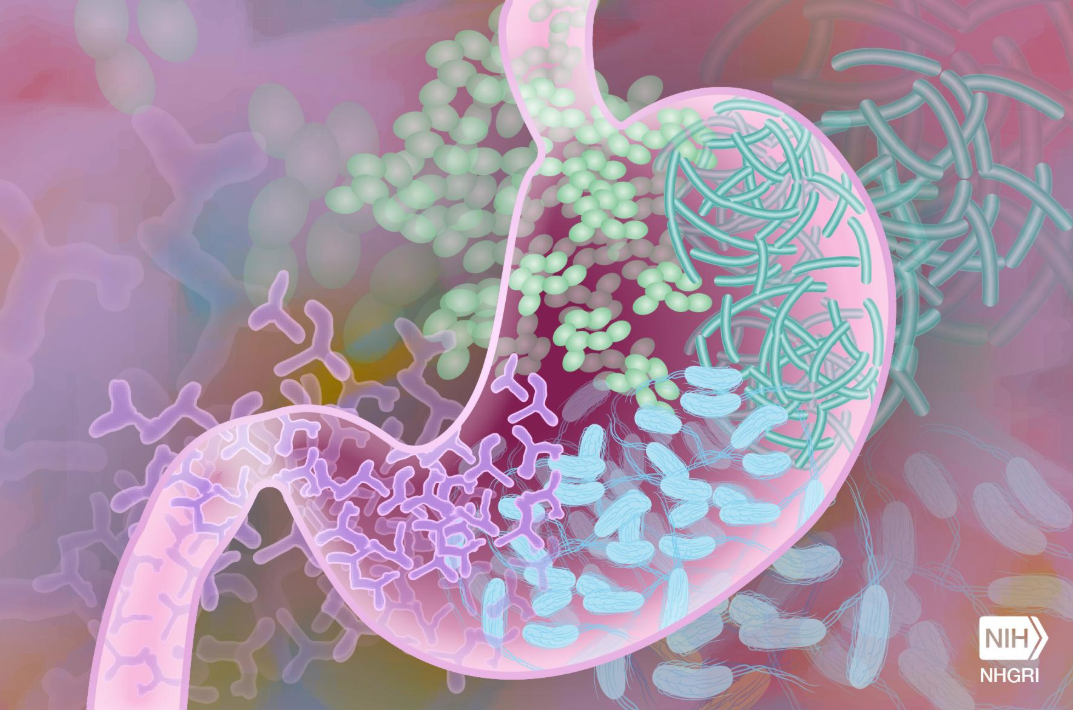
The digestive system is far more than a place where food is broken down and nutrients are absorbed. It also serves as one of the body’s largest immune organs, housing an extensive network of immune tissues known collectively as the gut-associated lymphoid tissue (GALT). These specialized tissues continuously monitor food, beneficial microbes, and potential pathogens, helping the body distinguish harmless substances from genuine threats. Research over the past two decades has shown that this ongoing dialogue between the gut and the immune system plays a central role in maintaining health and immune balance.
The Gut Microbiome Helps Educate the Immune System
Trillions of microorganisms—including bacteria, fungi, and viruses—live naturally within the human digestive tract. Collectively known as the gut microbiome, these microbes contribute to digestion, produce vitamins and metabolites, and interact closely with immune cells lining the intestinal wall.
Rather than simply coexisting, the microbiome actively helps shape immune function. Studies have demonstrated that signals from beneficial gut bacteria influence the development and function of multiple immune cell populations, including regulatory T cells (Tregs), T helper cells, IgA-producing B cells, and innate lymphoid cells. These interactions help the immune system maintain an appropriate balance between defending against harmful pathogens and tolerating harmless dietary and microbial antigens.
When the Balance Is Disrupted
A healthy immune system requires constant communication between the intestinal barrier, the microbiome, and immune cells. When this balance is disturbed—a condition often referred to as dysbiosis—normal immune regulation can also be affected.
Researchers have identified associations between altered gut microbial communities and several immune-mediated conditions, including inflammatory bowel disease (IBD), allergies, and certain autoimmune disorders. Although these associations are well documented, scientists continue to investigate the complex cause-and-effect relationships involved. The microbiome is increasingly recognized as one important factor that influences immune function, but it is only one piece of a much larger biological puzzle that also includes genetics, environment, diet, and lifestyle.
How Scientists Study the Gut–Immune Axis
Understanding this intricate relationship requires more than simply analyzing gut bacteria. Researchers also need to understand how human immune cells respond to microbial signals and inflammatory stimuli.
One of the most widely used research tools for these studies is human PBMCs. Peripheral Blood Mononuclear Cells (PBMCs) are a mixed population of immune cells—including T cells, B cells, natural killer (NK) cells, and monocytes—that can be isolated from donated human blood. Because these cells represent many of the body’s key immune responders, they are commonly used in laboratory studies investigating inflammation, cytokine production, immune signaling, vaccine responses, autoimmune diseases, and interactions between the microbiome and the immune system.
By combining microbiome analysis with studies using human PBMCs, researchers continue to gain new insights into how gut health influences immune function throughout the body and how these discoveries may contribute to future diagnostic tools and therapies.
As our understanding of the gut–immune connection continues to grow, one thing has become increasingly clear: supporting a healthy gut isn’t just about digestion—it’s also about maintaining one of the body’s most sophisticated and important immune systems.
References
- Round JL, Mazmanian SK. The gut microbiota shapes intestinal immune responses during health and disease. Nature Reviews Immunology. 2009.
- Kamada N, Seo SU, Chen GY, Núñez G. Role of the gut microbiota in immunity and inflammatory disease. Nature Reviews Immunology. 2013.
- Rooks MG, Garrett WS. Gut microbiota, metabolites and host immunity. Nature Reviews Immunology. 2016.
- Caruso R, Lo BC, Núñez G. Host–microbiota interactions in inflammatory bowel disease. Nature Reviews Immunology. 2020.
- Ruff WE, Greiling TM, Kriegel MA. Host–microbiota interactions in immune-mediated diseases. Nature Reviews Microbiology. 2020.