Successful personal injury cases depend on the ability to prove how an accident happened. Medical records and testimony can provide a foundation. However, they rarely give minute-by-minute details needed to show the true cost of an injury. This is where health technology plays a critical role. Here is how wearable health devices are taking on a different role in medical lawsuits.
1. Establishing Accurate Medical Timelines
One of the biggest challenges personal injury victims and their legal representatives face is explaining everything that happened. Courts rely on documents and expert findings to verify the circumstances surrounding the incident. Unfortunately, victims can only testify to their inability to perform their daily duties, and hospital documents can be incomplete.
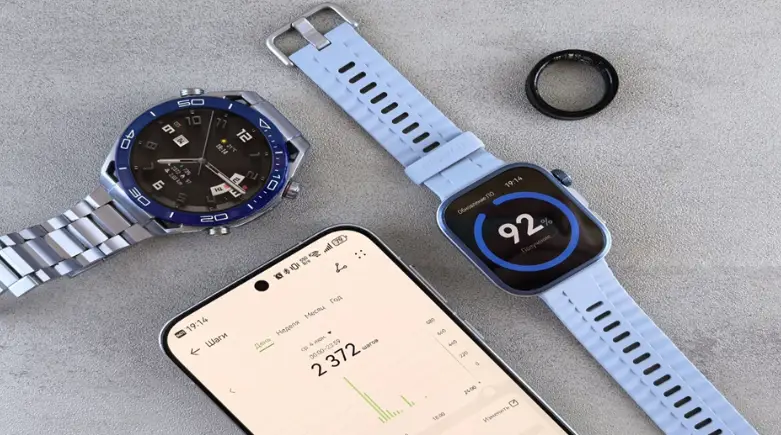
Wearable health technologies can provide accurate, real-time data that support a person’s activities before an injury occurs. For instance, some devices have automatic fall-detection sensors that can detect a sudden impact associated with a fall. A smartwatch worn during a cardiac event can also capture heart rate data down to the minute. This helps confirm whether symptoms began when a patient was active or at rest, and how the body responded.
Research published on PubMed found that wearable monitoring systems in clinical settings detected early signs of patient deterioration up to 38 hours before a crisis became apparent to staff. That data can be used in a lawsuit to establish whether a hospital had enough warning to act and chose not to.
2. Supporting or Challenging Medical Negligence Claims
Medical malpractice cases build on the standard of care, and the main question is whether a provider did what a competent provider should have done. Wearable data is helping answer that question with objective numbers and not just compelling opinions. When a person claims their condition got worse after a procedure, these technologies can tell how their activity levels, sleep patterns, and heart function changed. That record is harder to dispute than personal testimony alone.
This matters especially in states with strict evidentiary standards. For instance, under wrongful death laws in Alabama, proving that a provider’s negligence directly caused a patient’s death requires clear, causally connected evidence. Alabama’s contributory negligence doctrine can eliminate any recovery if even minor fault is attributed to the patient. Wearable data can help establish or undercut that causal connection, making it a meaningful factor in how these cases are argued.
3. Exposing Fraud and Inconsistent Testimonies
Courts are increasingly treating wearable health data as a record of what someone was doing, not what they say they are doing. That approach has exposed real inconsistencies in legal proceedings. For instance, when a claimant’s sworn account conflicts with heart rate logs, sleep courts, or GPS records from the same period, the difference in evidence becomes the focal point for a court.
Wearable data captures what the body was doing in real time, unlike witness testimony that can be coached. Courts can then order its production even when plaintiffs object, recognizing that physiological activity records are directly relevant to the claims at hand. Insurance companies and defense teams can also request this data early in litigation. This makes false or exaggerated claims increasingly difficult to sustain.
Endnote
Wearable health technology has quickly moved from wellness tools to courtroom evidence. Whether someone is building a negligence claim or defending against one, data from a patient’s wristwatch can carry as much weight as expert testimony. This is a reason for patients to understand what their devices record and how their data can be used. However, legal and medical professionals must develop clear policies for reviewing and documenting wearable data to improve patient care and reduce legal risk.