
The elderly population tends to suffer from frequent health concerns. This is due to the decline in immunity, coupled with slow metabolism and physiological functions.
While health issues associated with aging are inevitable, it’s crucial to prioritize protection and preventive measures.

That’s where the medical alert devices help manage emergency situations and ensure prolonged safety. They enable you to seek the needful help and ensure optimum well-being. All you need to know is the ideal type of device according to your needs and required features.
Here’s a complete breakdown of the medical alert devices for the elderly, particularly focusing on the types and broad features.
What Are Medical Alert Devices?
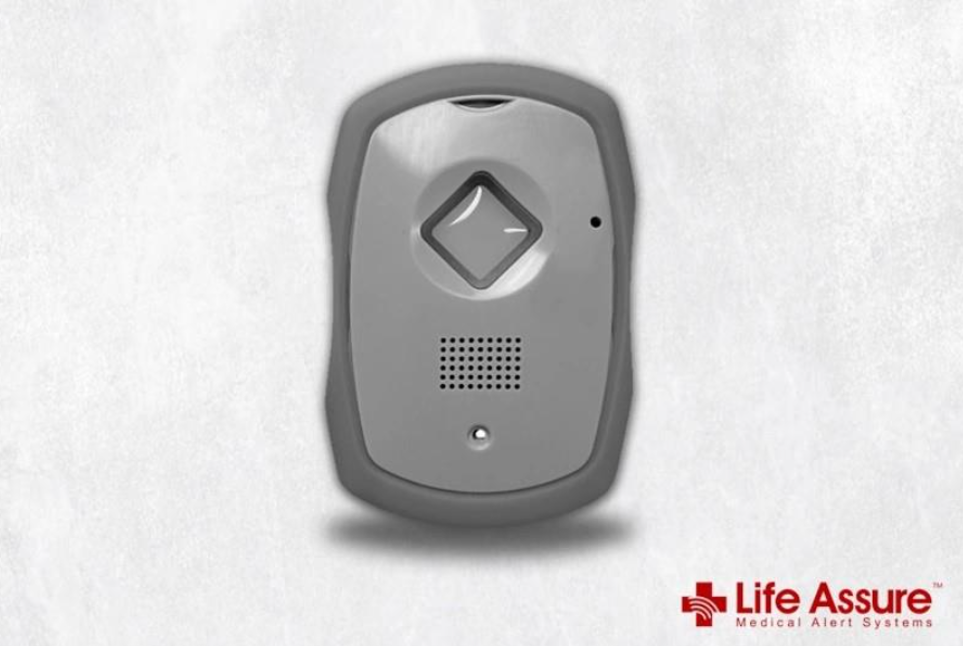
Emergency aid, particularly the medical alert device, is a reliable device for the aging population. The device is a tool usually worn as a pendant or wristband. Moreover, it provides the ability to seek help at the press of a button placed on the device. As a result, you can connect to the monitoring services or call a caregiver in an emergency.
Some medical alert systems come with an in-built ability to detect falls or accidents. Such features ensure minimal response time and a constant support system for the older individuals.
Before making the purchase, it’s ideal to research the specifications and life alert price through different sources. Not only will it help you get the desired product, but it will also ensure a financially suitable purchase.
Types Of Medical Alert Devices
There are different types of medical alert devices available with specific features and protective specifications.
1. In-Home Wireless System

Did you know that in-home wireless systems are the most affordable medical alert devices available?
They offer constant connectivity and reach a base station, thereby providing round-the-clock access to the response center. Additionally, you can connect to a caregiver for extended support. The device comes with a wireless button that activates upon pressing. Furthermore, it provides reliable support and safety for the seniors who tend to stay at home more often.
The wireless system is suitable if you wish to get a cost-effective medical alert device. That way, you can prioritize your safety and well-being without spending too much on the protective equipment.
2. Wearable Alert Systems
Another common medical alert device comes in the form of wearable alert systems. It comes in different forms, specifically as pendants and bracelets. As a result, the medical alert device provides constant protection and ensures that help is just a button press away.
You can wear the alert system like an accessory and long-press the alert button during emergency situations. Furthermore, it connects you to a respondent, usually the monitoring services or a caregiver.
If you are able to move properly and require a convenient protective device, then the wearable alert systems might be suitable. Some systems feature a water-resistant design and automatic fall detection for extended protection from accidents.
3. Mobile Alert Devices
If you tend to spend too much time outside, then a cellular protective device can be suitable. It offers elderly people 24/7 protection from accidents, medical emergencies, and falls. The device comes with GPS-enabled features to track your location and provide help right away. Moreover, the protective tool is quite convenient as it doesn’t require landline connectivity and functions on cellular networks.
All you need to do is press the button on your alert device to connect to the caregivers. Some systems support two-way communication, thereby allowing you to explain your issue during adverse situations.
If you lead an active lifestyle with prolonged mobility and outdoor excursions, the mobile alert devices are quite reliable. However, make sure to consider multiple options with diverse features before finalizing the product.
Reliable Features To Consider
While choosing a suitable medical alert device, you must consider protective specifications to ensure safety and protection.
1. Emergency Activation Button
For easy accessibility, you must prioritize a device with a convenient emergency button. Additionally, ensure that the button functionality is smooth and responsive without any disturbances.
2. Fall Detection
Another protective feature, i.e., fall detection, can prevent serious accidents and their consequences. Some medical alert systems come with an in-built fall detection feature and automatically connect you to the monitoring unit. As a result, it safeguards your well-being even during adverse situations.
3. GPS & Mobility
For mobile elderly individuals, a device embedded with GPS features makes a huge difference in safety. This is because the GPS tracking feature helps you locate and provide help, no matter what the underlying emergency is.
4. Water Resistance
Did you know that a considerable portion of falls and accidents amongst the elderly population happen in the kitchen or bathroom? That’s how the water-resistant medical alerts help ensure functionality even when exposed to moisture. They provide a durable design and sturdy emergency button feature to provide reliable support when required.
Final Verdict
Most people experience frequent health concerns, particularly due to the aging process. Aging is an inevitable process, predisposing you to lifestyle disorders and psychological concerns.
Using a reliable medical alert system can help prioritize safety and well-being for seniors. Moreover, product-specific features, such as water resistance and fall detection, provide extended protection from accidents and falls.
However, you must research the features of different kinds of medical alert devices. Some common types to consider range from in-home wireless call systems to wearable alert devices and mobile-based devices. All you need to do is finalize the medical alert based on the specifications required for maximum protection.