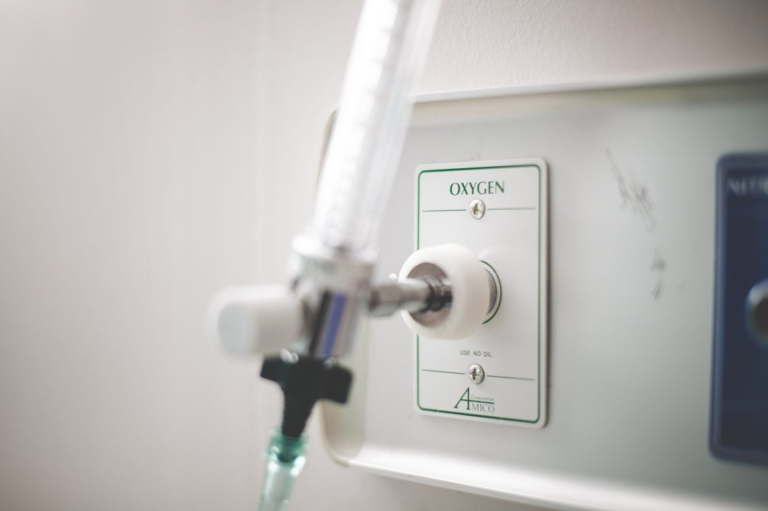
The New Reality of AI in Medical Content Creation
Generative AI has transformed the way healthcare organizations, medical marketers, educators, and digital publishers create visual content. However, producing an AI-generated medical illustration or healthcare image is only the beginning. What truly determines professional value is the ability to refine those visuals into accurate, trustworthy, and publication-ready assets.
For medical websites, patient education portals, healthcare blogs, and pharmaceutical marketing teams, visual accuracy matters as much as creativity. An image that contains anatomical inconsistencies, unrealistic clinical equipment, or distracting artifacts can reduce credibility and undermine trust.
This is why experienced content creators increasingly rely on an AI Photo Editor as the central component of their production workflow. Instead of depending entirely on prompts, they use AI generation as the starting point and professional editing as the stage where medical-grade quality is achieved.
The Gap Between AI Generation and Medical-Ready Content
Modern AI image models can generate convincing healthcare environments, clinical offices, or wellness-related visuals in seconds. Yet even advanced models frequently introduce errors that become obvious in professional medical publishing.
Common issues include:
- Incorrect anatomical proportions
- Inconsistent medical instruments
- Unrealistic lighting in examination rooms
- Distorted hands or facial expressions
- Text errors on medical equipment or signage
Repeatedly generating new images rarely solves every issue. Each regeneration often fixes one problem while introducing several more.
For healthcare publishers, efficiency comes from editing rather than endlessly prompting. Instead of chasing a perfect output, professionals treat AI-generated visuals as source material that can be refined into medically appropriate assets.
This workflow significantly reduces production time while maintaining the level of quality expected across healthcare websites and educational platforms.
Creating a Scalable Medical Visual Production Workflow
Organizations that publish large volumes of medical content require a process that balances speed with consistency. Whether producing patient education articles, hospital marketing campaigns, telehealth resources, or healthcare infographics, scalable workflows are essential.
A practical production pipeline generally follows three stages:
1. Content Generation
AI models generate the initial concept, such as a physician consultation, laboratory setting, anatomy illustration, or healthcare lifestyle scene.
2. Precision Editing
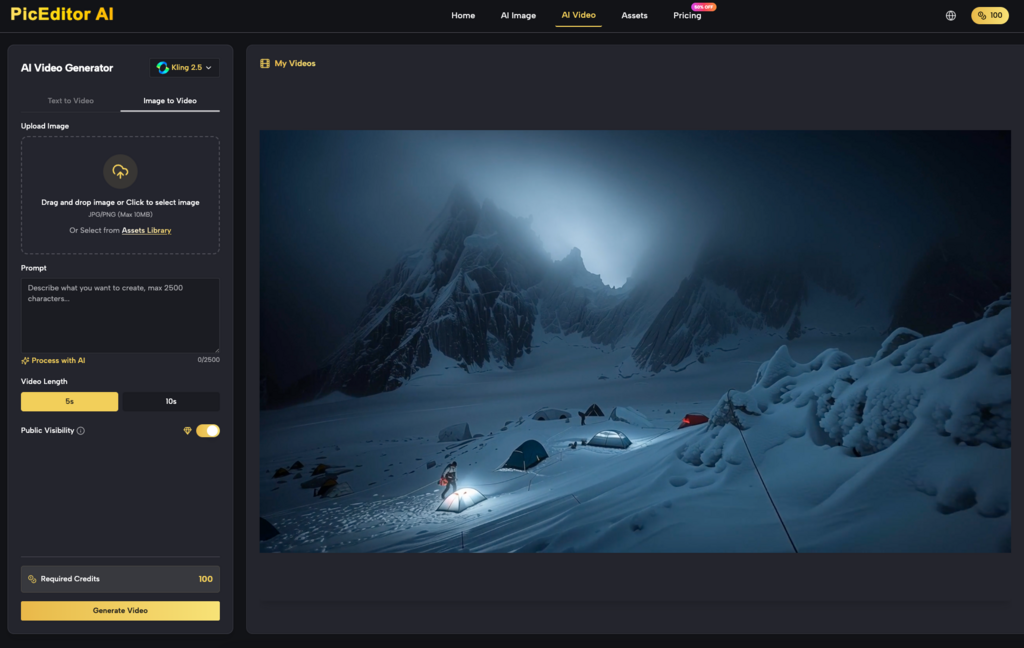
The generated image is refined using an <a href=”#”>AI Photo Editor</a>. During this stage, creators remove unwanted artifacts, improve anatomical accuracy, replace distracting objects, and ensure visual consistency across multiple assets.
For example, a healthcare marketing agency producing a campaign for a medical clinic may generate several examination room backgrounds before integrating consistent physician imagery throughout the campaign. This creates a unified visual identity without requiring every image to be regenerated from scratch.
3. Quality Enhancement
The final stage focuses on improving clarity, resolution, and presentation quality before publication across websites, brochures, presentations, or digital advertising.
Maintaining Visual Consistency Across Healthcare Content
Consistency is especially important in the medical industry, where audiences expect reliable and professional communication.
Generating multiple AI images of the same healthcare professional, patient, or clinical environment often results in noticeable differences between images. Facial features may change, uniforms may vary, and medical devices may appear inconsistent.
Professional teams address this challenge by creating a reference image and applying targeted edits across future visuals instead of regenerating every scene independently.
This approach works particularly well for:
- Medical education platforms
- Healthcare advertising campaigns
- Hospital websites
- Pharmaceutical marketing materials
- Patient resource libraries
Maintaining consistent lighting, backgrounds, colors, and subject appearance strengthens brand identity while improving audience confidence.
Enhancing Image Quality for Professional Medical Publishing
Many AI-generated visuals are suitable for web previews but fall short when used for high-resolution presentations, printed healthcare materials, or large-format digital displays.
This is where an AI Photo Enhancer becomes an important part of the workflow.
Enhancement tools can improve:
- Image sharpness
- Fine anatomical details
- Resolution for print
- Texture clarity
- Overall visual realism
High-quality enhancement helps eliminate the slightly artificial appearance that can remain after AI image generation, making visuals more suitable for professional healthcare environments.
Despite advances in automation, human review remains essential. Medical professionals and content editors should always verify that images accurately represent anatomy, clinical procedures, and healthcare equipment before publication.
Improving Productivity Without Reducing Value
One of the biggest advantages of AI-assisted editing is the reduction in production time.
Tasks that previously required extensive manual retouching can often be completed much faster using modern editing workflows. However, faster delivery should not automatically reduce the value of professional medical content.
Healthcare clients invest in:
- Reliable medical visuals
- Brand consistency
- Accurate educational materials
- Faster project completion
- Professional quality control
Because of this, many agencies and healthcare content providers are moving away from hourly pricing toward value-based pricing, where the emphasis is placed on the quality and effectiveness of the finished asset rather than the number of editing hours involved.
This allows creative teams to increase efficiency while maintaining premium service standards.
Current Challenges in AI-Generated Medical Imagery
Although AI technology continues to improve, several limitations remain relevant for medical publishers.
Complex medical diagrams, equipment labels, and embedded text are still difficult for AI systems to reproduce accurately. Human editing is often required to correct typography and ensure compliance with professional healthcare standards.
There are also ongoing discussions surrounding copyright, ownership, and the commercial use of AI-assisted content. Healthcare organizations should remain informed about evolving regulations, especially when licensing exclusive visual assets or publishing commercially sensitive material.
Finally, automation should never replace expert oversight. Medical imagery influences patient understanding and professional communication, making accuracy more important than speed alone.
Conclusion
AI has become a valuable productivity tool for healthcare content creation, but successful medical publishing depends on much more than image generation. Professional workflows focus on refining, validating, and enhancing AI-generated visuals before they reach patients, clinicians, or healthcare audiences.
By combining thoughtful post-production, consistent quality control, and advanced editing technologies, medical publishers can build efficient workflows that deliver accurate, visually compelling, and trustworthy content at scale. Rather than replacing human expertise, AI serves as a practical assistant that enables creators to produce higher-quality medical visuals while maintaining the standards expected across today’s healthcare industry.