Walk through any supplement store or scroll any health brand’s website and you will find no shortage of orange-flavored electrolyte options. The category has exploded alongside the broader functional wellness movement, and with that growth has come a wide range of product quality. Some electrolyte drink mix orange products are genuinely effective – formulated with the right electrolytes in the right forms at the right doses. Others are little more than flavored water with a trace of electrolytes and heavy marketing behind them. Knowing what actually drives real hydration, and how to identify it on a label, is the difference between a daily habit that supports your performance and one that simply costs money.
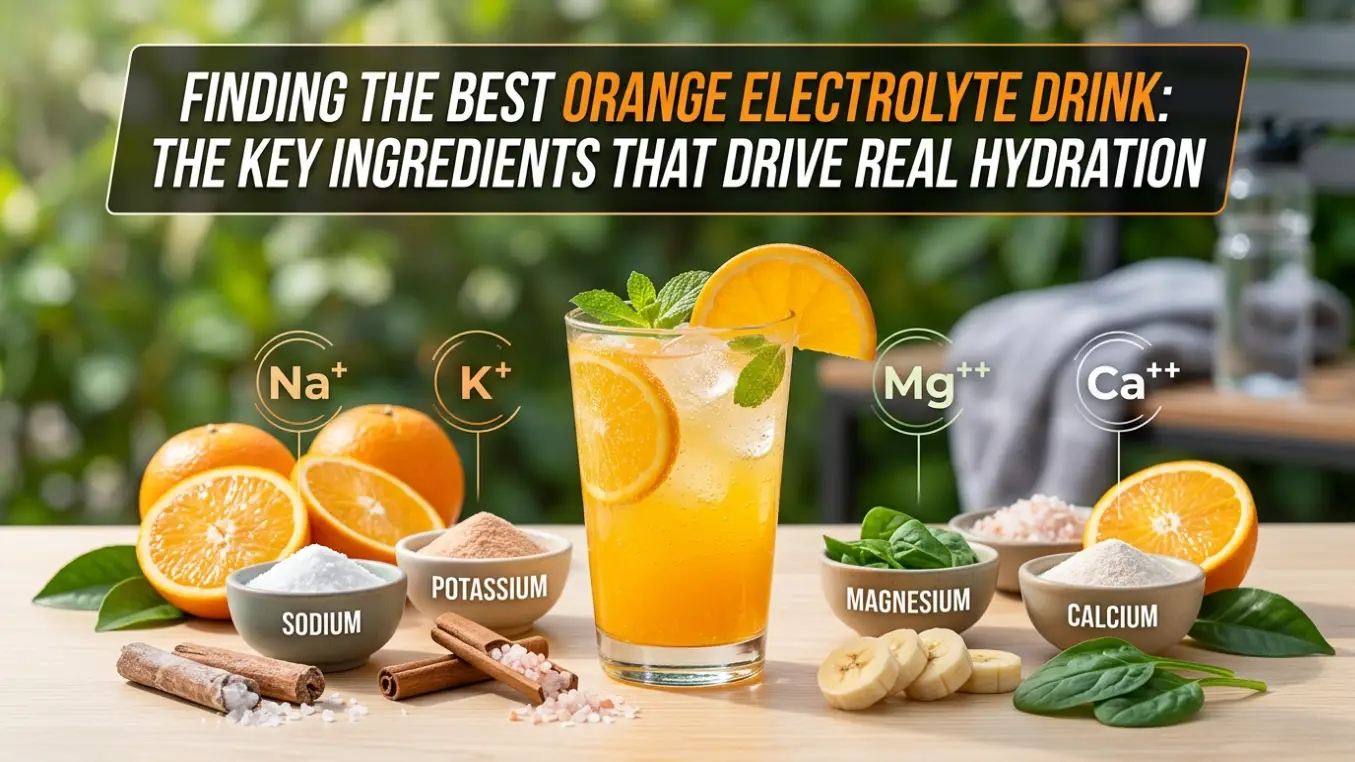
This guide breaks down the key ingredients that make an orange electrolyte drink mix genuinely functional – explaining what each one does, what forms and amounts to look for, and what signals indicate a product that is built for performance rather than shelf appeal.
Sodium: The Foundation of Fluid Absorption
Sodium is the single most important electrolyte in any hydration product, and the one that most directly drives the physiological mechanisms of fluid absorption. In the small intestine, sodium actively co-transports glucose and water across the intestinal membrane through sodium-glucose cotransporter proteins – a process called SGLT1-mediated absorption. This active transport mechanism is far more efficient than the passive osmosis by which plain water moves across the intestinal wall, which is why sodium-containing fluids hydrate faster and more effectively than plain water.
Sodium also governs plasma volume – the fluid component of blood that determines how efficiently your cardiovascular system can deliver oxygen and nutrients to working muscles. When sodium levels fall during sweating without adequate replacement, plasma volume decreases, the heart works harder to maintain cardiac output, and performance suffers. Maintaining sodium through an electrolyte drink supports plasma volume and keeps the cardiovascular system operating efficiently during exercise.
Look for a sodium content in the range of 200 to 500mg per serving for an active hydration product. Below 200mg, the hydration-enhancement effect is minimal. Above 500mg per serving can feel unpleasantly salty to some users and may not be appropriate for everyday use outside of very heavy sweat conditions. The form of sodium matters less than its presence – sodium chloride is the most common and well-absorbed form.
Potassium: Intracellular Fluid Balance and Muscle Function
Potassium is the primary electrolyte inside cells – it balances sodium’s predominant role outside cells to maintain the electrochemical gradients that allow nerve signaling, muscle contraction, and fluid regulation to function properly. The sodium-potassium pump, which runs continuously in every cell in the body, requires both electrolytes to maintain these gradients and is fundamental to virtually every physiological process that matters for exercise performance.
Sweat contains potassium alongside sodium, though typically at lower concentrations. Replacing potassium after and during exercise supports intracellular hydration – meaning the hydration of the muscle cells themselves rather than just the fluid in the bloodstream. When muscle cells are fully hydrated, they generate force more efficiently, fatigue more slowly, and recover from exercise faster. A quality electrolyte drink mix includes meaningful potassium content – typically 100 to 300mg per serving – as a complement to its sodium base.
Potassium chloride and potassium citrate are both well-absorbed forms. Potassium citrate has a slightly less bitter flavor profile and is often preferred in well-formulated consumer products for this reason. Products that list potassium only in tiny amounts at the bottom of the ingredient panel are not providing enough to meaningfully contribute to intracellular fluid balance.
Magnesium: The Overlooked Third Electrolyte
Magnesium is the electrolyte that gets the least attention in popular discussions of hydration but arguably has the most wide-ranging impact on athletic performance. It is required as a cofactor for over 300 enzymatic reactions in the human body – including ATP synthesis, muscle relaxation, protein synthesis, and nerve conduction. From a hydration perspective, magnesium supports osmotic balance in tissues and is a key component of the electrolyte environment that drives cellular function during and after exercise.
The muscle relaxation connection is particularly relevant for anyone who experiences cramping or tightness during or after training. Muscle contractions require calcium; muscle relaxation requires magnesium. When magnesium is insufficient, the relaxation phase of the contraction cycle is impaired – leading to the sustained involuntary contractions we call cramps. Adequate magnesium through consistent electrolyte supplementation is one of the most effective strategies for managing exercise-induced cramping, yet most sports drinks contain little to no magnesium.
Look for magnesium glycinate or magnesium citrate in the ingredient list – these forms are better absorbed and less likely to cause digestive discomfort than the magnesium oxide or sulfate forms used in some cheaper products. A meaningful dose in an electrolyte product typically falls in the 20 to 60mg per serving range – enough to contribute to daily requirements without exceeding the amounts that cause the laxative effects magnesium can produce at high doses.
Sugar: What Role It Should Play
Sugar in an electrolyte drink mix has a legitimate role in some contexts: small amounts of glucose enhance the SGLT1-mediated sodium absorption mechanism, potentially improving hydration rate beyond what sodium alone provides. This is the physiological rationale behind the original oral rehydration solution formulas used in medical hydration therapy. However, the sugar amounts used in this mechanism are small – typically 6 to 8 grams per serving – far less than the 30 to 40 grams found in most commercial sports drinks.
For everyday active hydration – workouts under 90 minutes, daily hydration maintenance, or post-workout rehydration – the performance benefit of small amounts of sugar does not justify the blood sugar response and caloric cost for most users. The most versatile electrolyte drink mixes use zero or minimal sugar, relying on natural sweeteners like stevia or monk fruit to provide palatability without the glycemic consequence. This allows the product to be used effectively before, during, and after training, and throughout the day, without concern about unnecessary sugar intake.
What Good Orange Flavoring Looks Like
Flavor is not a cosmetic detail in hydration products – it directly affects whether you will use the product consistently enough to benefit from it. Natural orange flavoring derived from orange oil or orange juice concentrates produces a bright, authentic citrus taste that does not fade or taste artificial over time. Synthetic orange flavoring – common in cheaper products – often has an overly sweet, one-dimensional flavor that many people find less appealing over repeated use.
A well-formulated orange electrolyte mix should taste refreshing and clean, with a citrus brightness that works well with cold water and does not leave an artificial aftertaste. Color is another signal: natural orange products may produce a light natural hue; a vivid, neon orange color is almost always from artificial dyes that add nothing to the product’s function. Clear or lightly tinted is often a cleaner choice.
Formula Red Flags to Avoid
Several common practices in the electrolyte market indicate a product built more for marketing than for performance. Proprietary electrolyte blends that list multiple minerals without individual amounts make it impossible to assess whether you are getting meaningful doses of any single compound. Sodium listed last in a minerals blend, below potassium and magnesium in a context where it should be first and highest, suggests token mineral addition rather than functional formulation.
Artificial dyes, synthetic preservatives, and unnecessary fillers are red flags that suggest a brand prioritizing shelf appeal over formula integrity. And unusually low price points often reflect the formula shortcuts that make the product cheap to produce – reduced electrolyte content, lower-quality mineral forms, and carrier ingredients that undercut the product’s function as much as its cost.
Frequently Asked Questions
What is the ideal sodium-to-potassium ratio in an electrolyte drink?
Research on electrolyte replacement and hydration generally supports a sodium-to-potassium ratio in the range of 2:1 to 3:1 (sodium to potassium) for active hydration products. This reflects the relative concentrations of these electrolytes in sweat and the body’s fluid compartments. Products significantly outside this range may over-emphasize one mineral at the expense of the other.
Is stevia or monk fruit better for sweetening an electrolyte mix?
Both are natural, calorie-free sweeteners that work well in electrolyte products. Monk fruit produces a slightly cleaner, less bitter aftertaste than stevia at equivalent sweetness levels, which many people prefer. Either is significantly preferable to artificial sweeteners like sucralose or acesulfame potassium, which have been associated with gut microbiome disruption in some research and do not belong in products designed to support gut health indirectly through hydration.
Can I take an electrolyte drink mix daily even when I am not exercising?
Yes – electrolyte supplementation is beneficial on non-training days for maintaining baseline hydration, supporting cognitive performance, and offsetting the electrolyte-depleting effects of daily life (including caffeine consumption, heat exposure, and stress). A single serving in the morning or early afternoon on rest days is a practical daily hydration maintenance strategy.
How do I know if I need more electrolytes in my diet?
Common signs of insufficient electrolyte intake include frequent headaches, afternoon energy crashes, muscle cramps or twitching, brain fog, and persistent thirst despite adequate water intake. People who exercise regularly, drink coffee or other diuretics, live in hot climates, or eat low-sodium diets have particularly high electrolyte requirements and may notice meaningful improvements from consistent supplementation.
Is it possible to take too many electrolytes?
For healthy individuals with normally functioning kidneys, the amounts of electrolytes in standard commercial products are well within safe ranges. The kidneys regulate electrolyte balance efficiently and excrete excess sodium and potassium. Extremely high sodium intake (far above what any standard electrolyte product provides) can be problematic for people with hypertension or kidney disease – those individuals should consult a healthcare provider before adding electrolyte supplements.
For those who want a clean, well-formulated orange electrolyte drink mix built around the ingredients that actually drive real hydration, Dialed Moods offers the Electric Orange Electrolyte Pack alongside a range of functional wellness products designed for people who hold their daily performance tools to the same standard they hold everything else in their routine.