When people think about gut health, probiotics and fiber often dominate the conversation. While those nutrients certainly play important roles, another piece of the puzzle is sometimes overlooked: nutrient density. The two topics are usually treated separately, but they’re more connected than they first appear.
Your digestive system does more than simply process food—it also helps your body absorb the vitamins, minerals, and other nutrients needed to support countless everyday functions. Even the most carefully planned diet provides limited benefit if the body can’t effectively digest and absorb what you eat. In other words, what you take in and what you actually use are two different things.
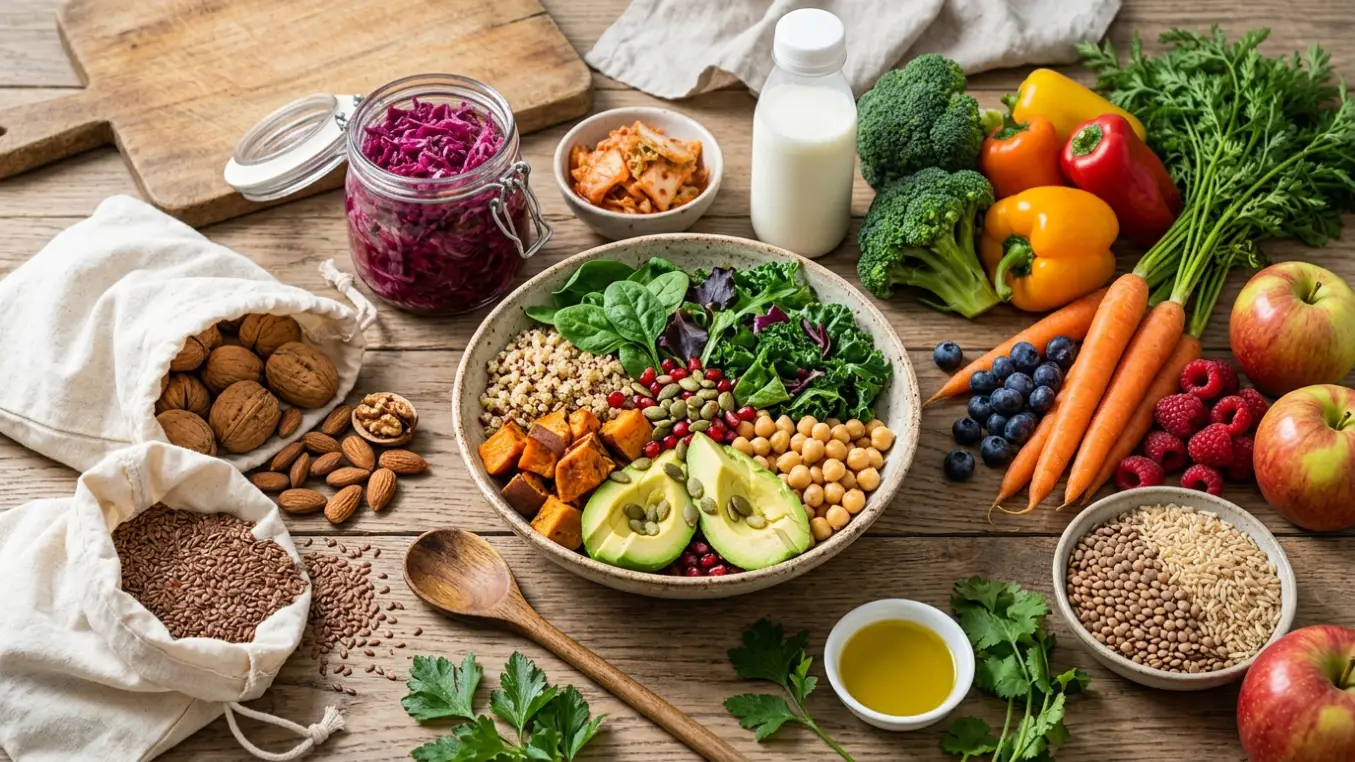
That’s why supporting gut health and focusing on nutrient-rich foods often go hand in hand. Improving one tends to amplify the value of the other, and neglecting either limits the results you can expect from your nutrition.
Your Gut Does More Than Digest Food
The digestive system is responsible for breaking down food into nutrients your body can use. It’s the gateway between what’s on your plate and what reaches your cells, and its efficiency shapes how much benefit you draw from every meal.
These nutrients contribute to many normal bodily functions, including:
- Energy production
- Immune system function
- Tissue maintenance
- Healthy red blood cell production
- Nervous system function
A balanced dietary pattern that includes a variety of nutrient-dense foods helps provide the raw materials your body relies on every day. Rather than thinking only about calories or macronutrients, it’s equally important to consider the nutritional value of the foods on your plate. Two meals with identical calorie counts can deliver vastly different amounts of usable nutrition.
What Is Nutrient Density?
Nutrient density refers to the amount of vitamins, minerals, and beneficial nutrients a food provides relative to its calories. Foods considered nutrient-dense typically supply a wide range of naturally occurring nutrients without requiring large serving sizes.
Examples include:
- Leafy green vegetables
- Eggs
- Fatty fish
- Berries
- Nuts and seeds
- Legumes
- Organ meats
Building meals around nutrient-dense whole foods helps maximize nutritional quality while supporting an overall balanced diet. The idea isn’t to eat less, but to make the food you do eat work harder for you—getting more nutritional return from each serving.
Why Variety Matters
No single food contains everything your body needs. Each food brings its own particular mix of nutrients to the table, and leaning too heavily on any one of them leaves gaps elsewhere.
For example:
- Colorful vegetables provide a variety of phytonutrients.
- Fatty fish supply omega-3 fatty acids.
- Dairy products contribute calcium.
- Lean meats provide protein and iron.
Including a wide range of foods throughout the week helps create a more complete nutritional profile than relying heavily on just a few staples. Variety isn’t only about avoiding boredom—it’s a practical strategy for covering the full spectrum of nutrients your body draws on.
Organ Meats: A Traditional Whole Food
Although organ meats were once common in traditional diets, many people today eat them only rarely—or not at all. Earlier generations treated them as everyday staples, but modern eating habits have largely pushed them to the margins.
Beef liver is recognized as one of the most nutrient-dense whole foods available, naturally containing nutrients such as:
- Vitamin A
- Vitamin B12
- Folate
- Iron
- Copper
- Choline
Because many people don’t enjoy the taste or preparation of organ meats, they may look for other ways to incorporate these nutrients into their overall dietary pattern. The nutritional value is hard to match, but the flavor and cooking involved keep a lot of people from including liver in their regular rotation.
Convenience Can Support Consistency
Preparing nutrient-rich meals every day isn’t always easy. Busy schedules, travel, and personal food preferences all influence dietary choices, and the gap between intention and follow-through is often a matter of convenience rather than knowledge.
For individuals who don’t regularly consume organ meats, some choose grass-fed beef liver capsules as a convenient whole-food option to complement an already balanced diet. The goal isn’t to replace healthy eating, but to make nutrient-dense foods more accessible for those who may not otherwise include them regularly. For someone who recognizes liver’s value but won’t realistically cook it, a convenient form can help bridge that gap.
Gut Health Starts with Daily Habits
Nutrition is only one part of supporting digestive wellness. The environment your digestive system operates in is shaped by your broader routine, not just what’s on your fork.
Healthy daily habits also include:
- Eating a variety of fiber-rich foods
- Staying hydrated
- Exercising regularly
- Managing stress
- Getting enough sleep
- Eating meals consistently
These habits work together to support overall digestive health while creating an environment where your body can efficiently utilize the nutrients you consume. A well-supported gut is better positioned to extract value from a nutrient-dense diet—which brings the two halves of this topic full circle.
Think Food First
Supplements should never replace a healthy diet. Whole foods remain the foundation of good nutrition because they provide a complex combination of nutrients that work together naturally—an interplay that’s difficult to fully replicate in isolation.
When possible, prioritize:
- Fruits
- Vegetables
- Whole grains
- Lean proteins
- Healthy fats
- Fermented foods when appropriate
Whole-food supplements can then serve as complementary tools—not substitutes—for these foundational habits. The order matters: food first, with supplements filling specific gaps rather than standing in for a balanced plate.
Small Choices Add Up
Improving nutritional quality doesn’t require dramatic dietary changes. Simple adjustments often have the greatest long-term impact, precisely because they’re easy enough to repeat without much effort.
Examples include:
- Adding another serving of vegetables.
- Choosing protein-rich breakfasts.
- Drinking more water.
- Trying a wider variety of whole foods.
- Planning balanced meals ahead of time.
Over months and years, these consistent habits support overall wellness far more effectively than searching for quick fixes. The unglamorous, repeatable choices tend to outperform the dramatic ones that rarely last.
Final Thoughts
Gut health and nutrient density are closely connected because the digestive system helps your body access the nutrients contained in the foods you eat. One determines how well you use what the other provides.
Supporting digestive wellness through balanced nutrition, healthy lifestyle habits, and a variety of whole foods creates a strong foundation for long-term health. For individuals looking to increase their intake of nutrient-dense whole-food ingredients, convenient options can complement—rather than replace—a healthy dietary pattern. Ultimately, consistency, variety, and a food-first mindset remain the cornerstones of lasting wellness.