

Plastic surgery is a significant event that prompts your body to heal and regenerate. While most people focus on the surgical procedure and post-operative care on the surface, many overlook the deep connections between gut health and recovery.
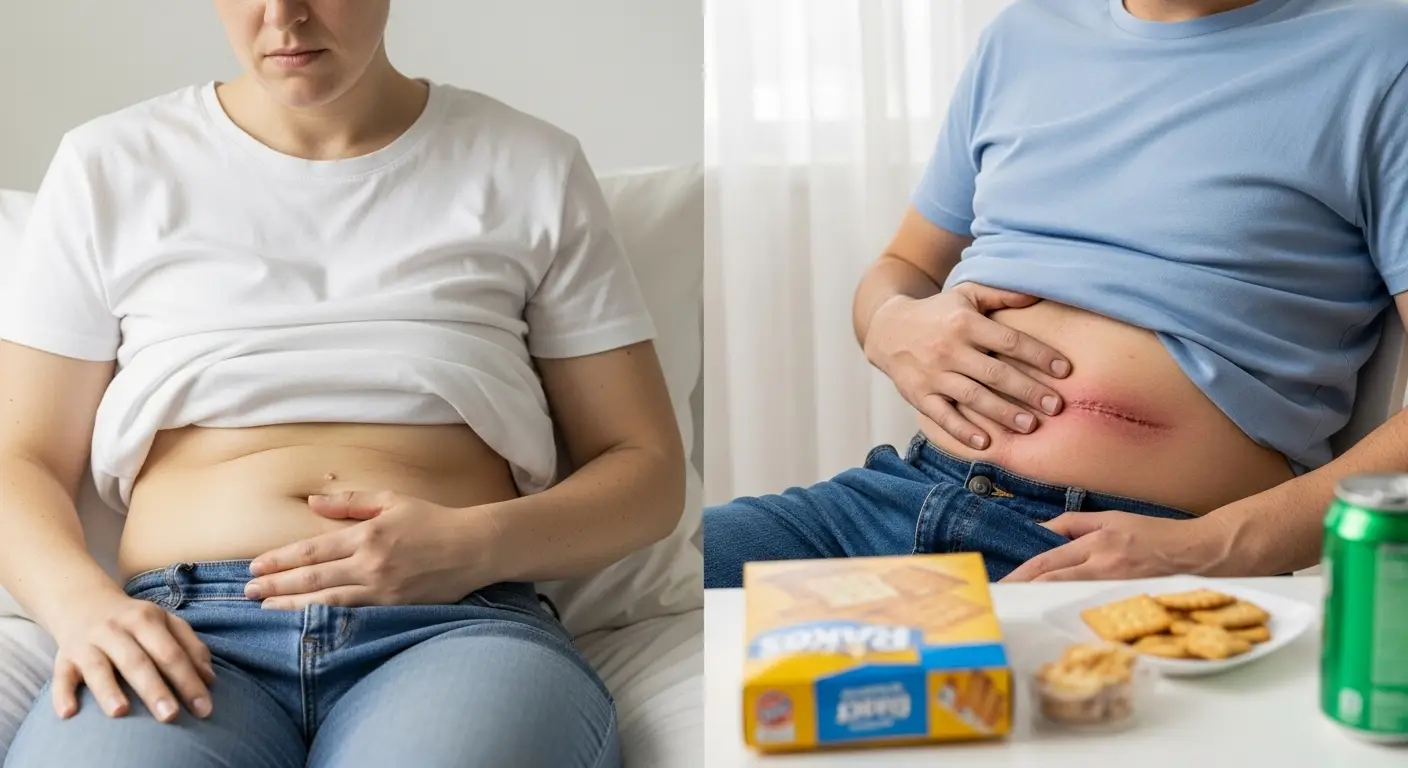
Recent research shows that the state of your gut microbiome can directly impact everything from inflammation to immunity during the crucial healing process.
The Connection Between Gut Health and Healing
Your gut harbors trillions of bacteria that play a vital role in digestion, metabolism, and overall immune function. After plastic surgery, your body relies on a strong immune system and efficient nutrient absorption to repair tissues. When your gut is healthy, it sends optimal signals throughout the body to support healing, reduce infection risk, and moderate inflammation.
A disrupted or imbalanced gut, however, can hinder these processes. Poor gut health may result in increased inflammation, slower tissue repair, and higher vulnerability to infections. By understanding the link between your digestive health and recovery, you can make informed choices to support the best surgical outcomes.
“We consistently see that patients with healthier gut function tend to recover faster, with fewer complications and better overall results,” explains one facelift surgeon on Long Island. “Supporting gut health before and after surgery isn’t just a wellness trend. It’s a critical part of the healing process.”
This perspective underscores why many surgical practices now encourage patients to focus on nutrition, probiotics, and lifestyle habits that strengthen the microbiome. By integrating gut health into your preparation and recovery plan, you may improve not only your healing timeline but also the long-term success of your procedure.
How the Gut Microbiome Influences Recovery
The “microbiome” refers to the community of microorganisms living in your gastrointestinal tract. These tiny residents have a profound impact on your body’s ability to respond to surgery and trauma. Here’s how they contribute to healing in practical ways:
- Reduced Inflammation: Beneficial gut bacteria regulate the immune system, preventing excessive inflammation after surgery. Chronic inflammation can slow down recovery and increase discomfort.
- Enhanced Nutrient Absorption: The gut microbiome helps break down foods and absorb essential nutrients critical for wound healing, such as vitamin C, zinc, and protein.
- Immune Defense: A healthy gut supports a resilient immune system by forming a barrier against harmful pathogens. This reduces the risk of post-surgical infections.
Keeping your microbiome balanced through surgery means your body is better equipped to recover rapidly and efficiently. However, if your gut is compromised, the healing process becomes less predictable and infections are more likely.
Factors That Influence Gut Health Before and After Surgery
Several aspects of your lifestyle and medical treatment can affect the state of your gut before and after plastic surgery. Staying mindful of these factors can empower you to support your digestive system during a vulnerable time.
A common factor that impacts post-surgical gut health is the use of antibiotics. While antibiotics are often necessary to prevent or treat infections, they can also disrupt the balance of good bacteria in your digestive system. Other considerations include diet changes, reduced mobility, medications, and stress, all of which can affect gut flora.
Supporting Your Gut for Optimal Recovery
Proactively caring for your digestive system in the weeks leading up to surgery and during recovery lays a strong foundation for healing. Simple yet effective actions can nurture a robust gut microbiome. Here is a selection of strategies to consider for supporting your gut:
- Eat a Whole Foods Diet: Prioritize foods high in fiber, antioxidants, and prebiotics such as fruits, vegetables, and whole grains. These promote beneficial bacteria and strengthen the gut lining.
- Include Fermented Foods: Foods like yogurt, kefir, kimchi, and sauerkraut are rich in natural probiotics that introduce good bacteria, helping your microbiome stay resilient.
- Limit Sugar and Highly Processed Foods: Excess sugar and ultra-processed foods can feed harmful bacteria and contribute to inflammation, undermining recovery.
- Stay Hydrated: Water supports healthy digestion, nutrient transport, and toxin elimination, all of which are crucial for surgical healing.
- Manage Stress: Chronic stress disrupts gut function and can encourage the growth of pathogenic bacteria. Mindfulness, meditation, and gentle activities that reduce anxiety benefit gut and overall recovery.
By adopting these habits, you can create an internal environment favorable to quick and uneventful healing. Making these changes before your surgery, rather than only after, is especially helpful for optimal results.
The Role of Probiotics and Prebiotics
Both probiotics and prebiotics have gained attention for their ability to shape gut health. Their impact is especially relevant to surgical recovery. Understanding the distinction between them is the first step to leveraging their benefits.
Probiotics are live beneficial bacteria found in supplements and fermented foods. They help restore balance following anything that disrupts the gut, like antibiotics or surgery. Prebiotics, on the other hand, are types of dietary fiber that feed your existing healthy bacteria, helping them multiply.
Introducing these into your diet before and after surgery can support healing in a variety of ways. Probiotics can decrease surgical site infections, while prebiotics ensure the gut lining remains intact and strong. It is important to consult your surgeon or a registered dietitian to select the right products, as needs may differ for each individual and procedure.
The Impact of Antibiotics on Gut Flora
Antibiotics are commonly administered around the time of surgery to guard against infection. While they are essential in many cases, their effects on the gut microbiome are far reaching. These medications do not distinguish between harmful and beneficial bacteria.
After a course of antibiotics, your gut may be depleted of its healthiest strains, which can leave you more vulnerable to digestive problems or a weakened immune response. Some individuals may notice bloating, irregular bowel movements, or increased sensitivity to certain foods during recovery.
To counteract these effects, you may need to increase your intake of probiotics or eat more fermented foods. Discussing with your healthcare provider about when and how to best restore your beneficial bacteria after antibiotics is extremely important for your comfort and surgical outcome.
Nutrition and Supplementation for Gut Health
Optimizing your nutritional status is key after any surgical procedure. For patients undergoing plastic surgery, focusing on nutrient-dense options not only helps your gut but also supplies building blocks for tissue repair and immune support.
A well-balanced diet should feature lean proteins, fiber-rich plants, and healthy fats. Specific supplements such as glutamine, zinc, and certain vitamins may also help support gut lining and immune function, though these should only be taken under professional guidance to prevent interactions with medications or anesthesia.
Eating smaller, well-balanced meals can improve digestion and maintain stable blood sugar, aiding in an overall smoother recovery process. Pay close attention to your body’s signals, and remember that adequate nutrition accelerates both internal and external healing.
Post-Surgical Complications Linked to Gut Health
Ignoring the health of your digestive system before or after plastic surgery can raise the risk of complications. Some of these problems are directly related to the gut’s influence on immunity, while others result from impaired nutrient absorption.
Potential complications stemming from poor gut health include:
- Infections: An imbalanced microbiome weakens your immune defenses, making surgical sites more vulnerable to bacteria.
- Delayed Wound Healing: Without enough beneficial bacteria or proper nutrition absorption, the body may struggle to form new tissue quickly.
- Digestive Issues: Antibiotic-related disruptions can trigger bloating, diarrhea, or constipation, which may complicate recovery or lead to dehydration.
- Inflammatory Responses: High levels of pathogenic bacteria can contribute to unwanted chronic inflammation, leading to more pain and a prolonged healing timeline.
Addressing gut health is not just about digestive comfort but can be essential for the prevention of more serious postoperative challenges.
How to Monitor and Maintain Gut Health During Recovery
Checking in on your gut during the weeks following surgery is just as important as wound care and pain management. Signs of a healthy gut include regular bowel movements, minimal bloating, and stable energy levels. If you notice persistent issues like diarrhea, constipation, or gastrointestinal discomfort, these symptoms should be discussed with your surgeon.
Hydration, gentle movement, and eating a varied diet often suffice for most people to keep their digestive system functioning smoothly. In some cases, a short stint of probiotics or fiber supplements is beneficial, but coordination with your healthcare team will ensure the safest approach.
When to Seek Medical Advice
Most digestive symptoms after surgery are mild and temporary, but some can indicate more serious concerns. Severe abdominal pain, persistent nausea or vomiting, fever, and signs of dehydration require prompt medical attention.
Do not hesitate to contact your plastic surgeon if you are unsure about any symptoms. Proper communication with your care team ensures potential gut-related complications are addressed early and recovery stays on track.
Setting Yourself Up for a Smooth Recovery
Prioritizing gut health before and after plastic surgery is more than a minor detail. It influences inflammation levels, immune strength, and overall tissue healing. By making informed choices about your nutrition, supplement routine, and stress management, you are actively partnering with your body for the best possible recovery.
Close attention to your digestive wellbeing can translate into fewer infections, better wound healing, and more comfort during a vulnerable time. Support your gut, and you lay the groundwork for smoother surgical results and a speedier return to your daily life.
Taking Gut Health Seriously for Surgical Success
The relationship between gut health and plastic surgery recovery is both intricate and essential. A balanced microbiome helps reduce complications, fosters stronger immunity, and accelerates healing.
By adopting healthy habits before and after surgery, you empower your body to sail through recovery with fewer obstacles and greater resilience. In essence, making your gut health a priority equips you for the best possible plastic surgery experience.


