
A safer home does not always start with a major remodel. Most of the time, it comes from a series of smaller changes that make everyday life easier, calmer, and less stressful for everyone involved. When you think about home safety for seniors and caregivers, it helps to focus on the areas people use most, the risks that tend to get missed, and the upgrades that support daily routines without making the home feel clinical. One of the easiest places to start is the front door, especially when family members, aides, or nurses are coming and going throughout the week. Better keyless entry for senior caregiver access can make visits smoother, reduce lockouts, and help the home feel more secure from day one.

That kind of change matters because caregiving rarely stays the same for long. Needs shift. Schedules change. A setup that worked a few months ago may already feel harder than it should. The good news is that the best safety fixes are often simple, practical, and easy to build over time.
Begin With the Places People Use Every Day
The safest homes usually work well in the most ordinary moments. Getting through the front door. Walking down the hall at night. Stepping into the bathroom half awake. Sitting down in the bedroom at the end of the day.
Entry points deserve more attention than they usually get. A sturdy handrail, a bright porch light, and a stable walkway can lower the chance of a fall before anyone even gets inside. If the home has a step that feels awkward, cracked concrete, or a loose mat by the door, those should move up the list.
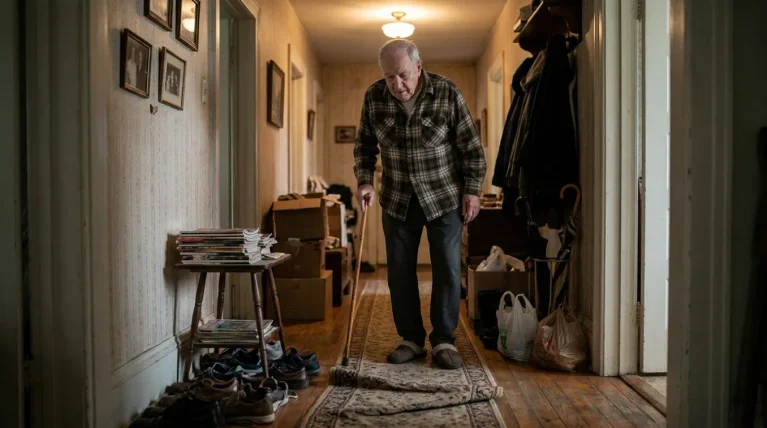
Inside, clear paths matter just as much. Furniture should leave enough room to move comfortably with a cane, walker, or helping hand nearby. Cords, small rugs, and clutter often seem harmless until someone catches a foot on them. That is why the strongest home safety plans start with the basics. Simple paths. Good lighting. Easy entry. Less guesswork.
Make Falls Less Likely, One Room at a Time
Fall prevention is one of the biggest parts of home safety for seniors and caregivers, and it is often the area where small fixes have the most impact. A home does not have to look unsafe to create problems. Many risks are familiar enough that people stop noticing them.
Start with the floors. Loose rugs, slick surfaces, and uneven thresholds all raise the chance of a fall. Then look at the light. Dim stairways and shadowy hallways can turn a short walk into a risky one. Motion lights help in spots where someone may not want to search for a switch, especially at night.
Stairs need special attention, too. Secure railings on both sides, clear step edges, and brighter bulbs can make a big difference. In homes with older adults, it also helps to think ahead. A staircase that feels manageable today may feel very different after an illness, a hospital stay, or a change in balance.
Keep Bathrooms and Bedrooms Easy to Use
Bathrooms tend to be one of the hardest working rooms in the house, and they are also one of the easiest places to slip. Water, tile, and rushed movement do not mix well. That is why simple updates here are worth the effort.
Grab bars near the toilet and in the shower add support where it matters most. Non-slip mats or strips can help with footing. A shower seat may also make daily routines less tiring. The goal is not to fill the room with equipment. It is to make common tasks feel steadier and more comfortable.
Bedrooms deserve the same kind of care. A bed that is too high or too low can be hard to get in and out of. A lamp that is out of reach is a problem at night. So is a narrow path between the bed and the bathroom. Small changes, like better lamp placement, nightlights, or a clearer path across the room, can make nights feel much less stressful.
Choose Smart Upgrades That Solve Real Problems
Technology can help, but only when it removes friction instead of adding it. That matters in any home, but even more in one that includes older adults and regular caregiver visits.
The best tools are easy to use and easy to trust. A smart lock can solve the problem of spare keys or missed visits. Motion-sensor lights can reduce nighttime falls. A video doorbell may help someone see who is outside without rushing to the door.
Still, not every upgrade needs to be high-tech. Sometimes the better choice is the one that is simpler. A brighter bulb may be more useful than a complicated system. A better handrail may matter more than an app. The right setup is the one people will actually use every day.
Pay Attention to Exterior Risks That Affect the Whole House
It is easy to focus on what happens indoors and forget that the outside of the home can shape safety too. Walkways, steps, drainage, and roofline details all affect how safe and comfortable a house feels over time.
This is also where hidden problems can start. Water intrusion, blocked vents, and animal entry may not seem urgent at first, but they can lead to bigger issues later. Indoor comfort depends on exterior upkeep more than many homeowners realize. That is one reason chimney cap animal prevention for safer home air fits into the same conversation as grab bars and entry lighting. When the home is protected from avoidable exterior problems, the inside tends to stay cleaner, healthier, and easier to manage.
The same logic applies to handrails on porch steps, non-slip surfaces near entry points, and regular checks for loose materials around the home. A safer house is rarely built by looking at one room alone.
Review the Home with the Seasons
A smart safety plan should work in January, July, and every month in between. Each season brings its own problems, and they are not always dramatic. Sometimes it is just leaves on the walkway, early darkness in winter, or a slippery patch near the hose spigot.
That is why it helps to do a simple review a few times each year. Check outdoor lighting. Look at the paths people use most. Notice whether rugs have shifted, bulbs have burned out, or furniture has slowly crept into walking space.
This kind of review also helps families adjust as care needs change. A home that once needed only a few small fixes may need more support later, including assisted living in Maryland. The best approach is steady and realistic. Keep what works. Change what no longer does. Build the home around daily life, not the other way around.
A Safer Home Helps Everyone in It
One of the best things about these changes is that they do not just help one person. A safer entrance helps the older adult, the caregiver, and every visitor. Better lighting helps anyone walk through the home at night. Clearer paths make the space easier to move through, whether someone uses a walker or is simply carrying groceries.
That is what makes home safety for seniors and caregivers worth thinking about as a full-home issue, not a single checklist item. A house feels better when it is easier to enter, easier to move through, and easier to maintain. Safety and comfort tend to grow together.
FAQ
What is the most important first step in making a home safer for seniors?
Start with the biggest daily use areas. Focus on entry points, walkways, lighting, and bathrooms first. Those are the places where common accidents happen and where small upgrades usually help the most.
How can caregivers make home access easier without giving out spare keys?
A secure entry system can make visits more predictable and reduce the stress of lost keys or lockouts. It can also help families manage who has access and when.
Which rooms should be checked most often for safety risks?
Bathrooms, bedrooms, stairways, and entry areas should be checked often. These spaces combine movement, low light, or slippery surfaces, which can increase the chance of a fall.
Why does exterior maintenance matter for senior home safety?
Outdoor paths, railings, lighting, and roofline protection all affect daily safety. Exterior issues can also lead to moisture, pests, or air quality concerns that make the home harder to manage.
How often should a family review home safety changes?
A quick review each season is a smart routine. It also makes sense to reassess after a fall, a hospital stay, or any change in mobility.
Key Takeaway
A safer home is usually the result of small, thoughtful changes that support real daily routines. When entry is easier, walkways are clearer, bathrooms are steadier, and exterior issues are handled early, the home becomes less stressful for everyone. That matters for older adults who want to stay comfortable at home and for caregivers who need the space to work well every day. The best plan is simple, practical, and easy to keep up with over time.